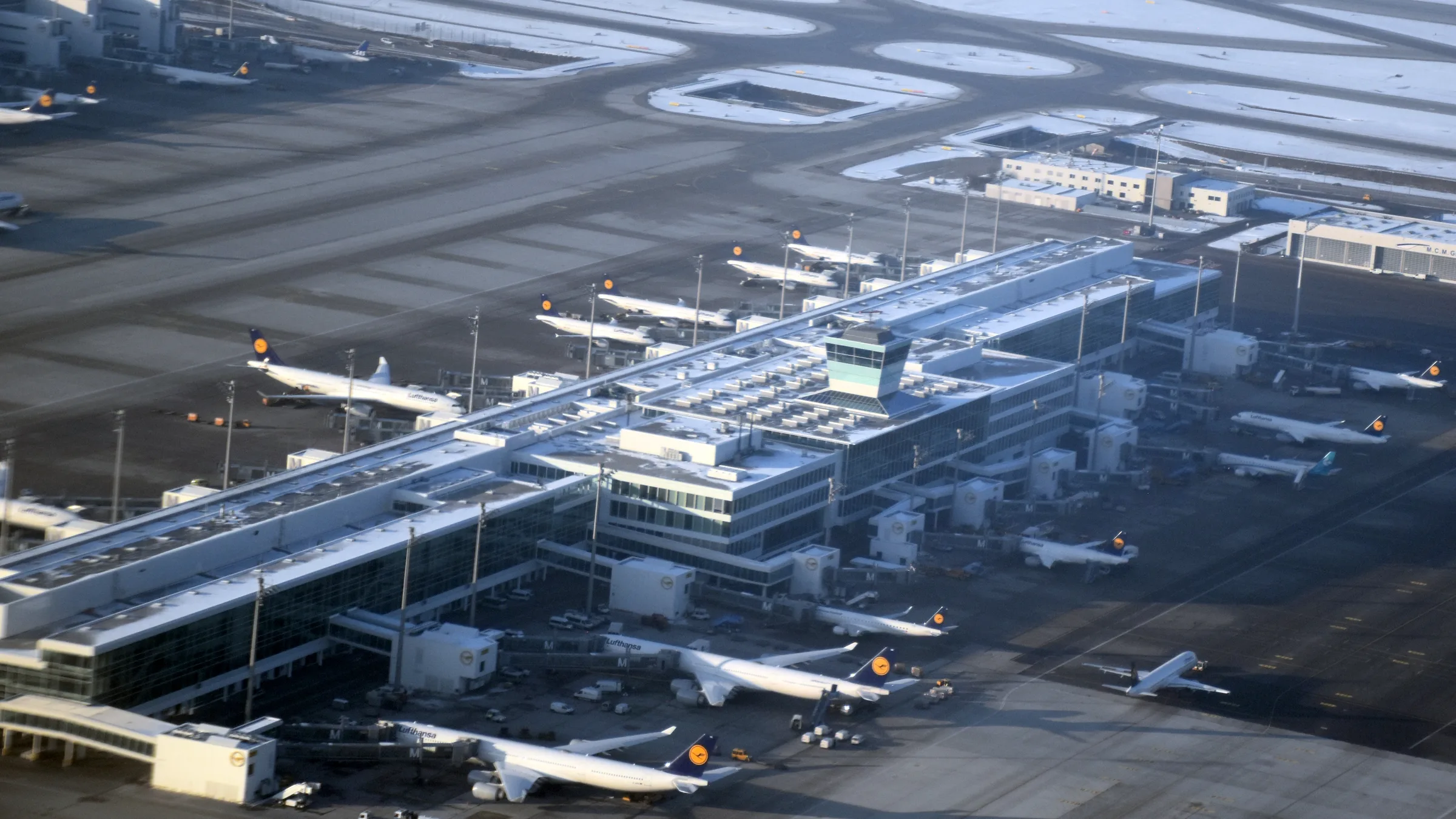
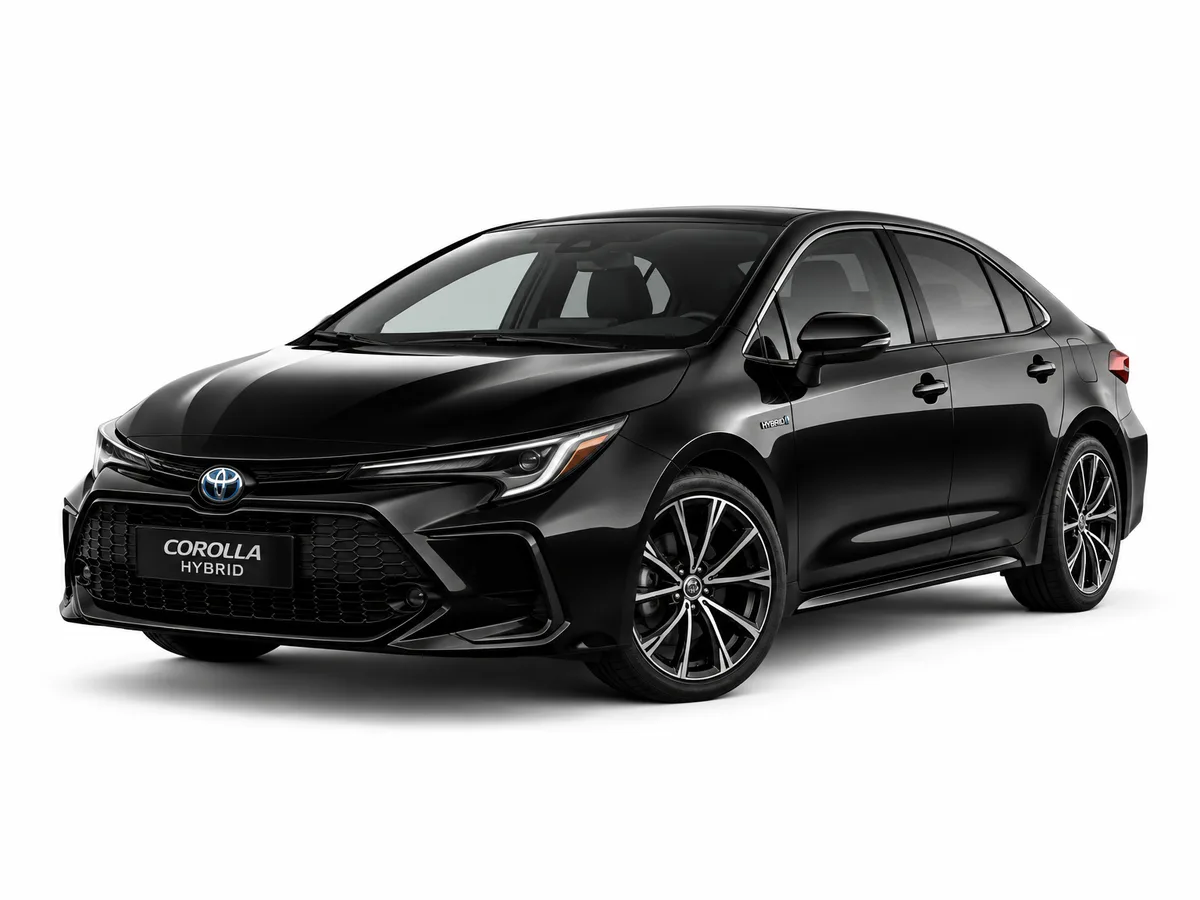
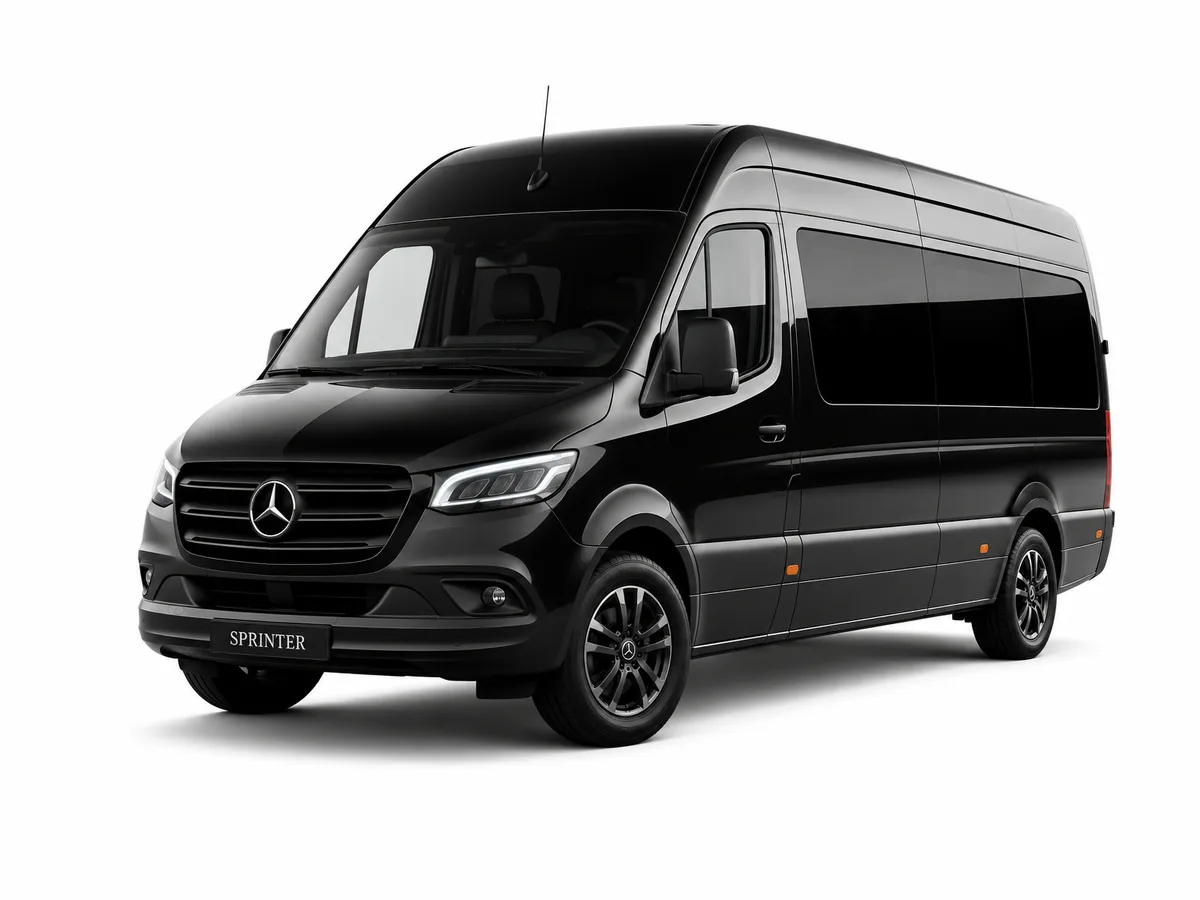
The 501 km between Frankfurt-Hahn Airport and Munich Airport take roughly 4h 53 by road. Booked as a transfer it is one vehicle from one terminal kerb to the other, at a price agreed in advance — which matters more than usual on a day that has already gone wrong.
The pickup is driven by your inbound flight number: the driver watches the actual landing time and waits 60 minutes free after touchdown, which is what a diverted or delayed arrival needs. At the far end the drop-off is at the correct terminal for your departure — Munich Airport has 2 and the wrong one costs a shuttle ride you do not have time for. Tell us the departing flight at booking and the schedule is worked backwards from its check-in deadline rather than forwards from a convenient departure. We run the same journey to Stuttgart Airport, priced the same way.
Luggage stays in the car for the whole 4h 53, which is the single biggest practical difference from any rail route: nothing is lifted onto a train at Frankfurt-Hahn Airport, off it again at the interchange, or onto a second one for the run into Munich Airport. If the airline has rebooked you and is reimbursing ground transport, the invoice shows the route, the date and the fare in a form an airline will accept.
What you are committing to at 4h 53
If you have read the comparison above and still want the car, this is what you are committing to. One driver and one vehicle for the whole distance — no handover, no change, no platform — and a comfort stop wherever you ask for one, which on this length most people use once. The reason people choose it at this distance is almost never comfort. It is that across 4h 53 no gate closes on you and there is no second boarding pass to lose: the deadline you are driving towards is the only one left in the day. Your luggage is handled exactly twice, once at Frankfurt-Hahn Airport and once at Munich Airport, and the rebooking calls you still have to make are easier from a back seat than from a platform.
Booking this for somebody else
A large share of these journeys are arranged by someone who is not travelling: a colleague at a desk in another timezone, a family member watching a flight tracker, or airline ground staff working through a queue of rebooked passengers. The booking is built for that. What it needs is the passenger's name, the two flight numbers, and one mobile that will actually be answered — which is usually the booker's, not the passenger's, since the passenger is in the air for most of the window that matters. Confirmation goes to both addresses, and the invoice goes to whoever is paying, which is frequently a third party again.