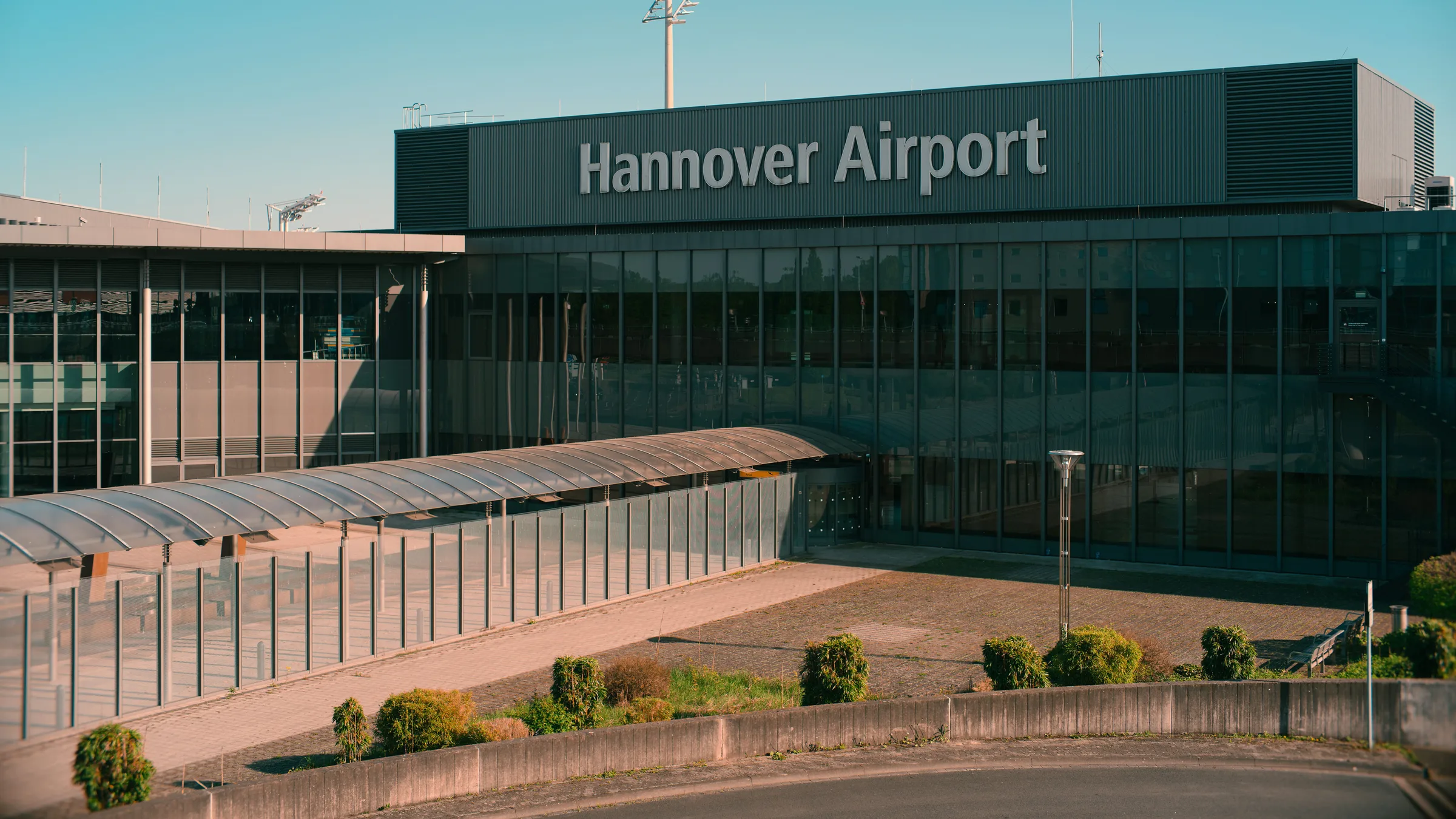
Hannover’s airport is defined by the fair rather than by the city. Messe Hannover is the largest exhibition ground in the world, and in a Hannover Messe or Agritechnica week the entire regional transport system is sized for an event it does not otherwise need — which is exactly when a car booked weeks earlier stops being a luxury.
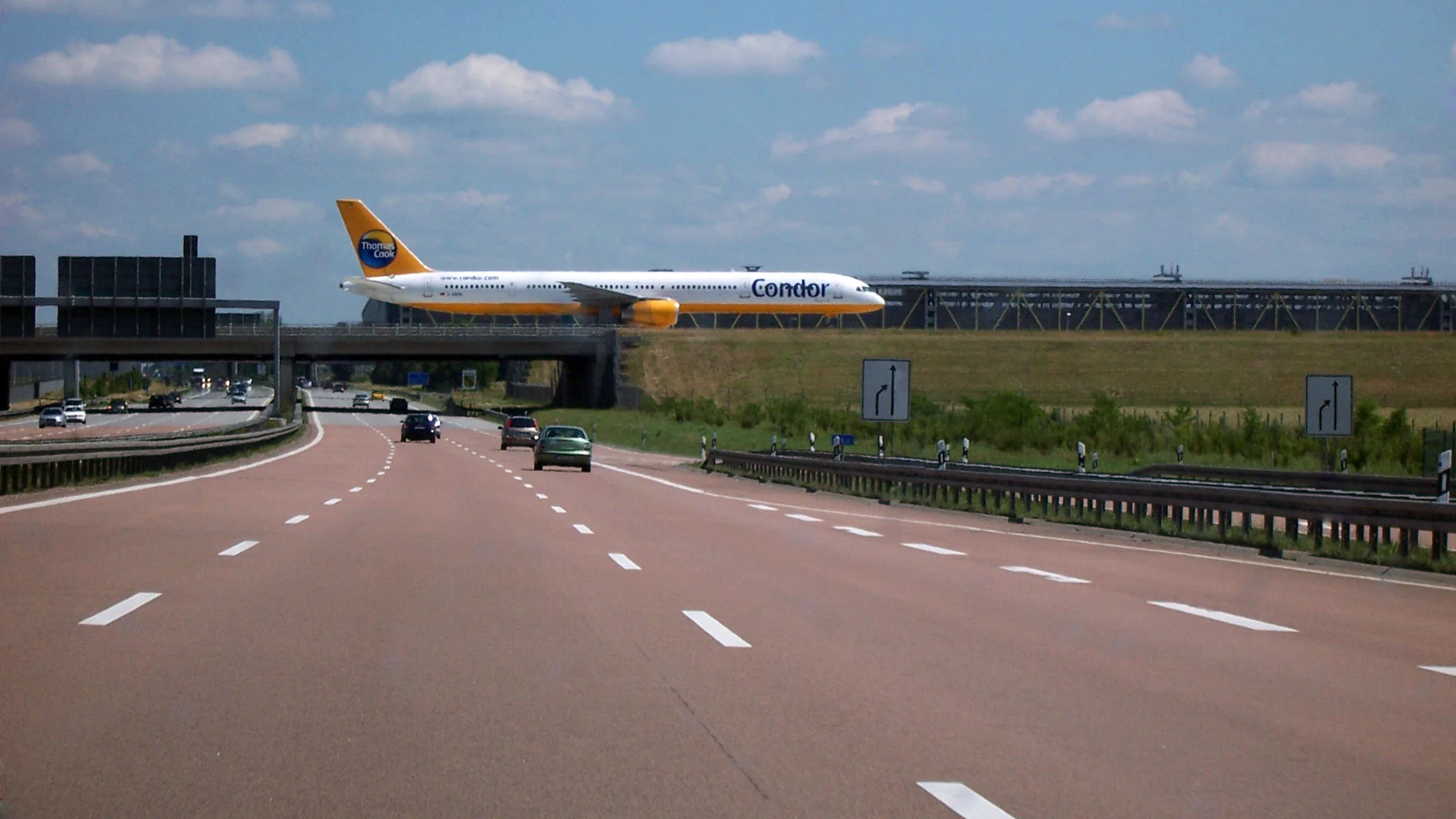
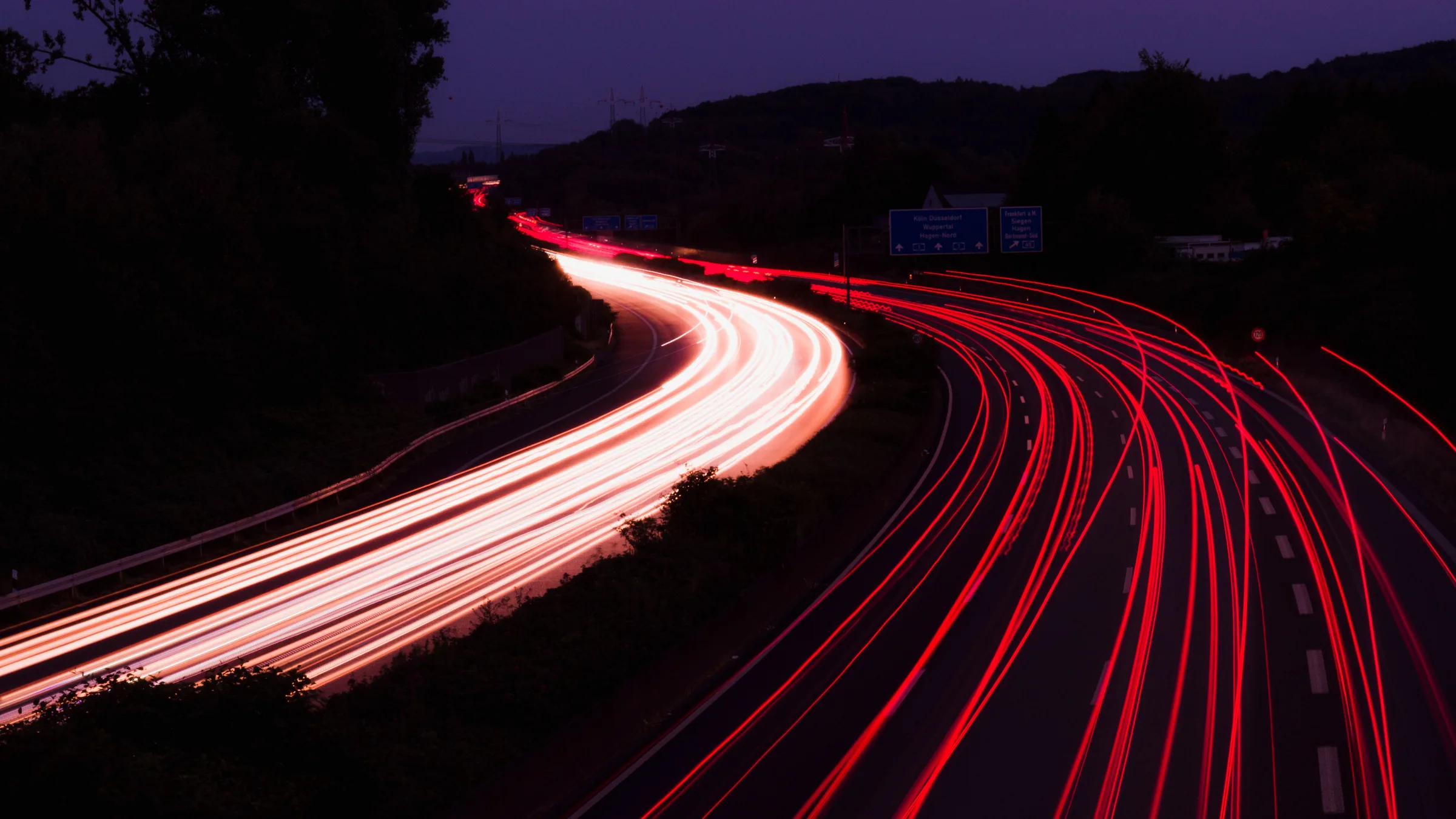
The airport itself is 11 km north of the centre, reached by the A352, which links the A2 and the A7. That position on two of Germany’s main trunk motorways is the reason Hannover works as a regional gateway: the A2 runs east–west from the Ruhr to Berlin, the A7 north–south from Hamburg to Kassel, and the airport sits on the joint.
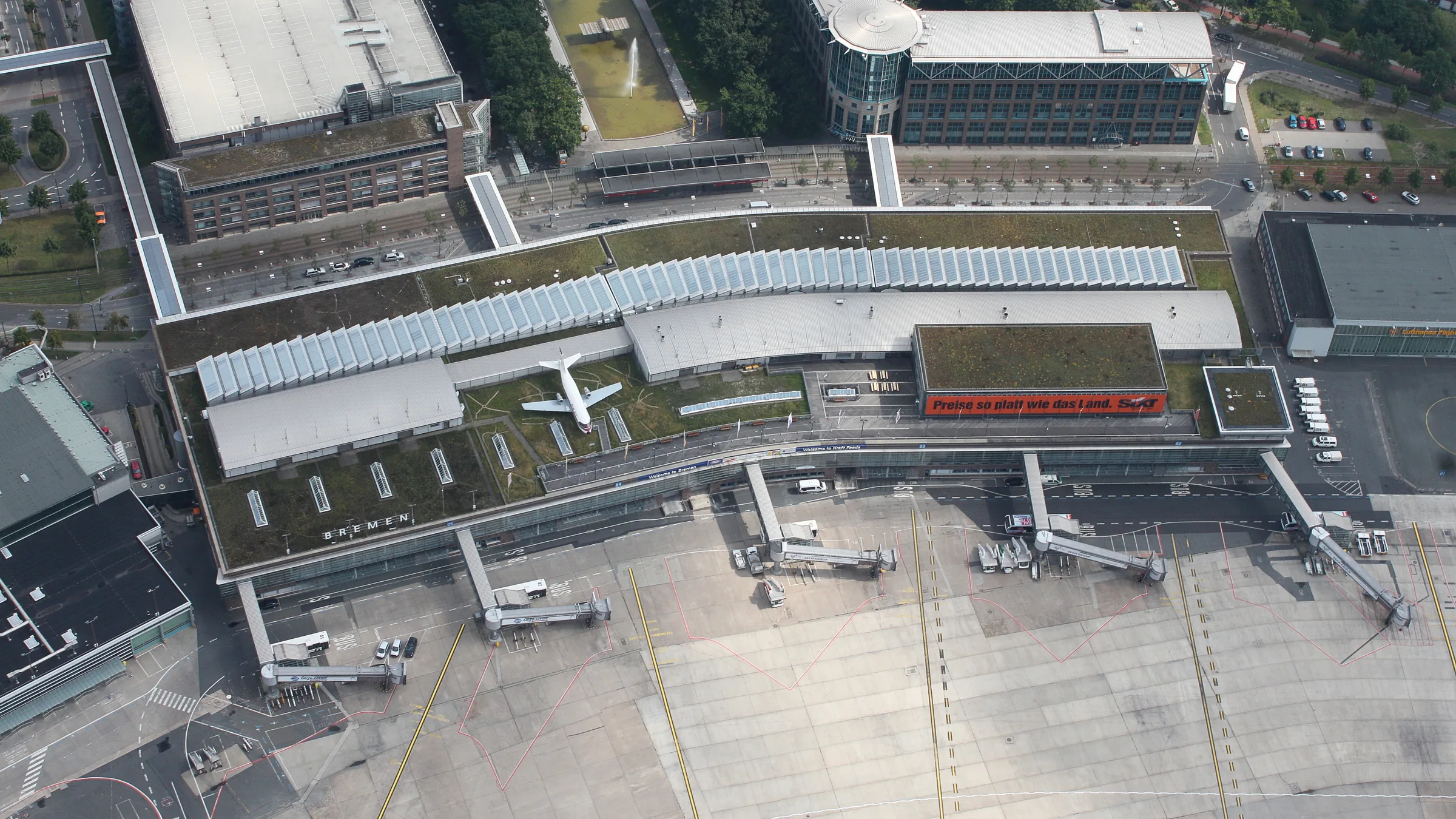
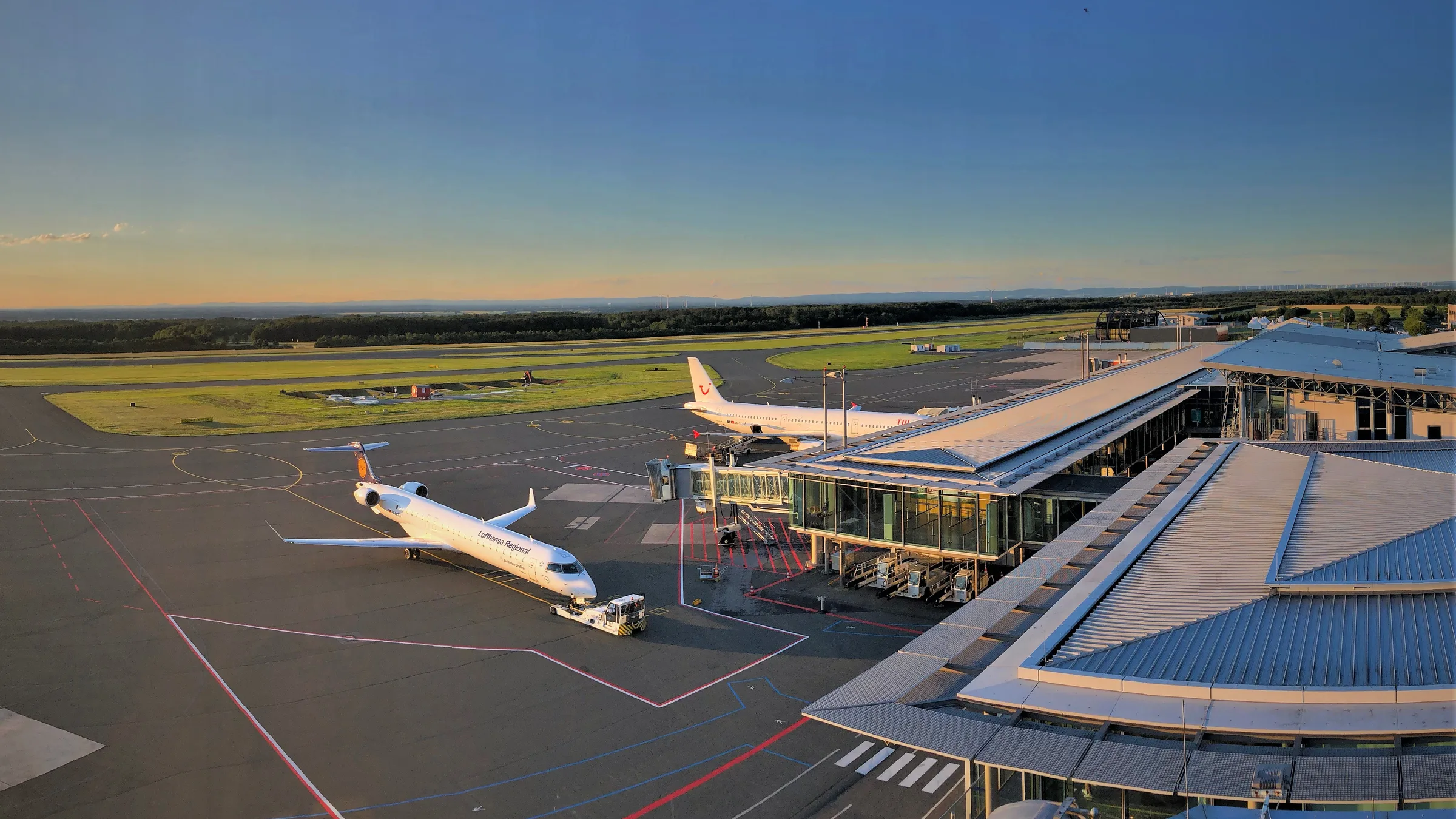
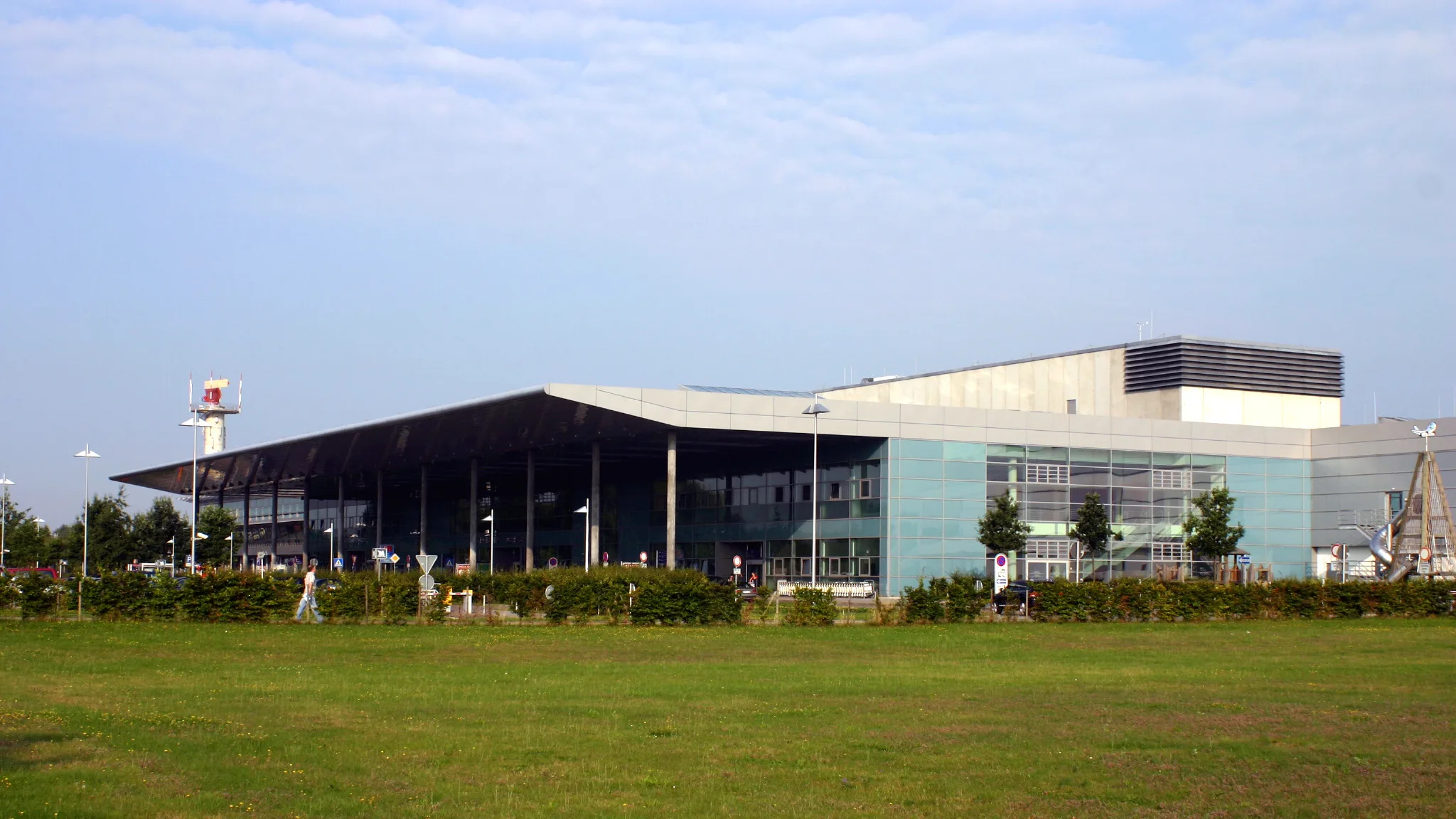
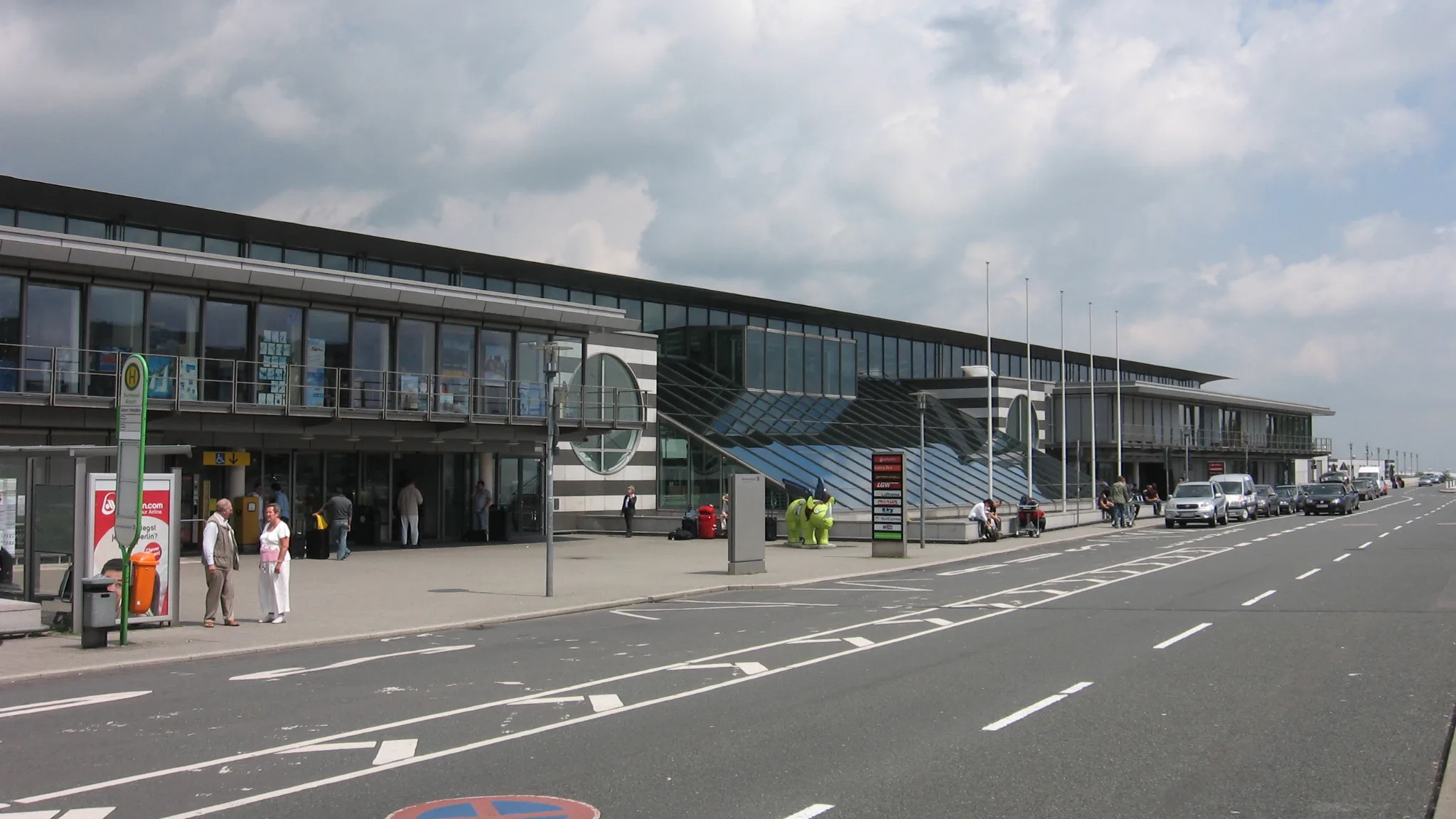
Terminals A, B and C have separate airside areas but stand next to each other landside: A and B have six jet-bridge gates each, C has eight and takes most of the holiday charter traffic. A fourth terminal, D, has handled overflow at peak periods since July 2023. For an arriving passenger the practical point is that the three arrivals areas are adjacent, so a wrong guess costs a short walk.
Lower Saxony behind it is large, flat and dispersed. Hildesheim, Braunschweig, Wolfsburg, Celle, Hameln and the Harz mountains are all within a straightforward drive, and the region’s industry — Volkswagen at Wolfsburg above all — sits in those towns rather than in Hannover itself.
The S-Bahn runs from beneath the terminals to the Hauptbahnhof in around twenty minutes, and for one person with a bag that is the sensible choice on any normal day. It is direct and cheap and we would rather you used it than paid us.
Two things change that. The first is the fair. During a major Messe the trains are full in one direction at one hour, and — more to the point — the exhibition entrances are not the Hauptbahnhof. Arriving at the right station and then queueing for a shuttle is not the same as arriving at your hall.
The second is the region. Hildesheim, Braunschweig, Wolfsburg, Celle and the Harz are all routine transfers from here and all involve a change by rail, usually with the luggage you flew in with, often at the Hauptbahnhof you have just travelled into from the airport. Wolfsburg in particular generates constant business travel that a single road journey handles far better than two trains.
Your driver waits in the arrivals area of Terminal A, B or C — whichever your flight lands at, taken from the flight number you give at booking — holding a name sign. The three terminals have separate arrivals halls but stand side by side on a single landside road, so the walk between them is short if a gate changes late. Flights are tracked automatically, and 60 minutes of free waiting after touchdown covers passport control and baggage reclaim on a normal arrival.