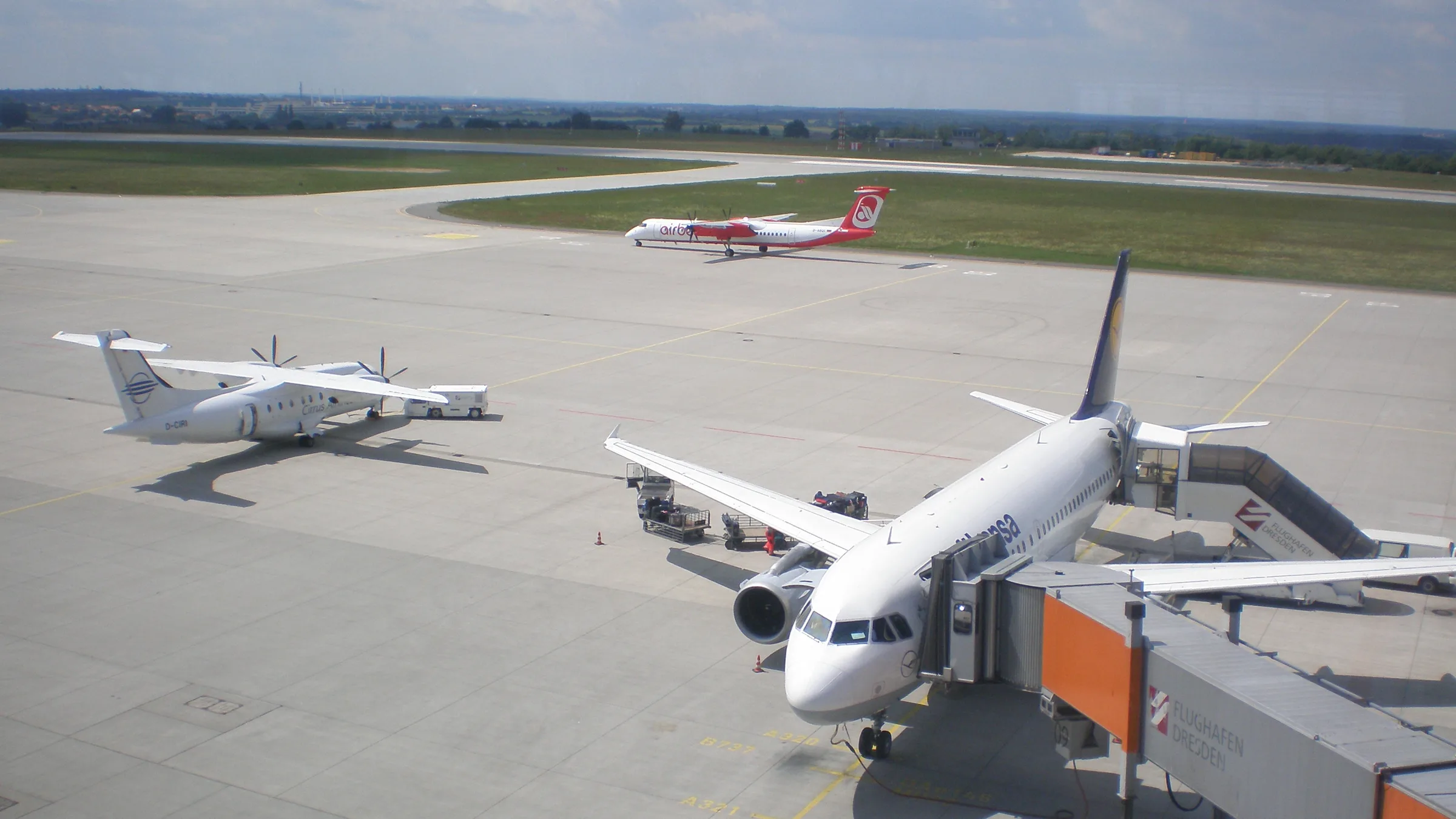
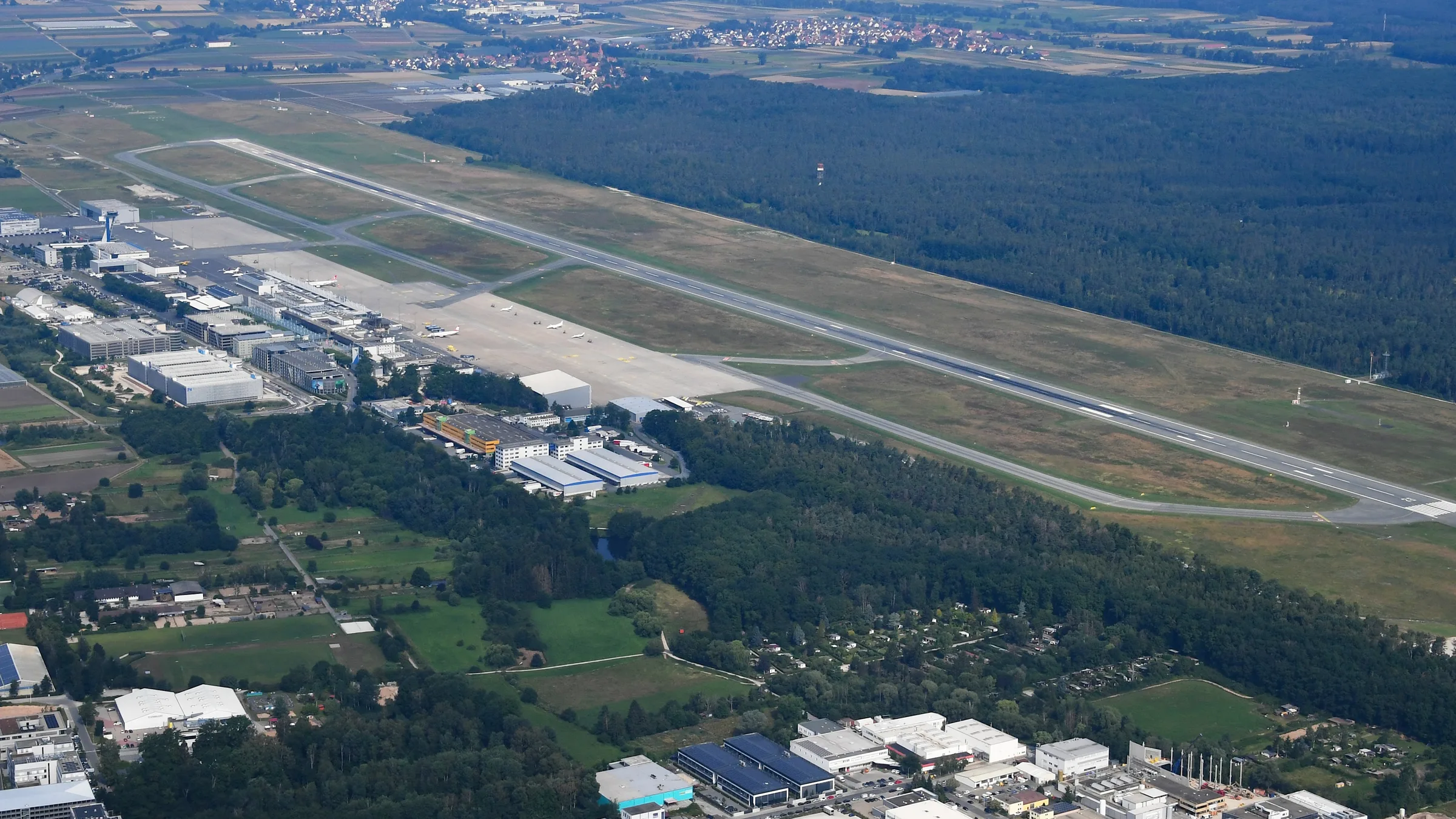
This is a freight airport that also carries passengers, and the distinction explains almost everything about arriving here. Leipzig/Halle is the second-busiest cargo airport in Germany and the fourth in Europe, with the highest number of freight-only movements in the entire EU.
That means it works hard through the night while the passenger terminals are quiet, and it has none of the night-time restrictions a city airport lives under. Landing at three in the morning is unremarkable here. What is remarkable, from a passenger’s point of view, is that the onward transport is built for the daytime operation and not the nocturnal one.
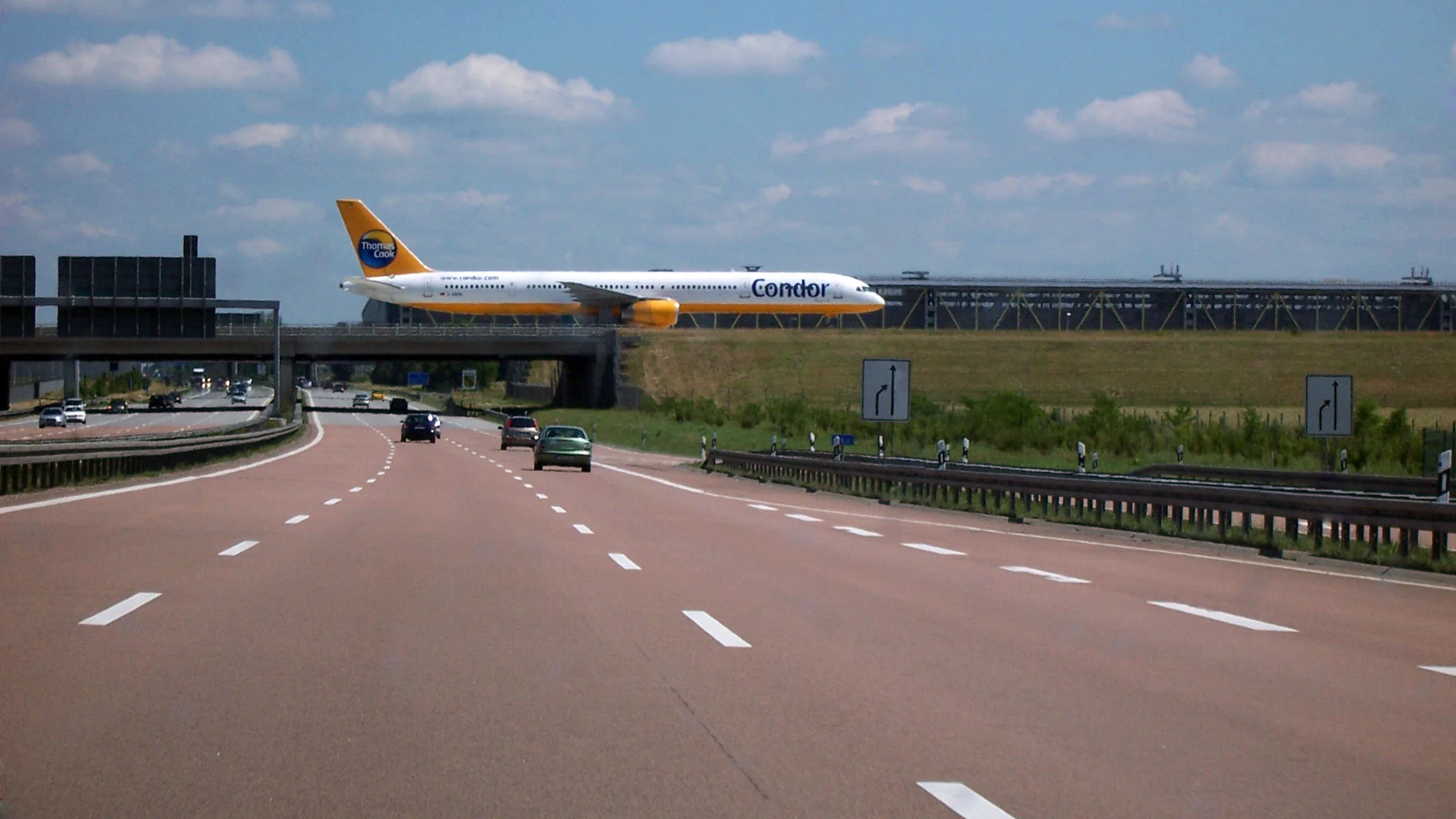
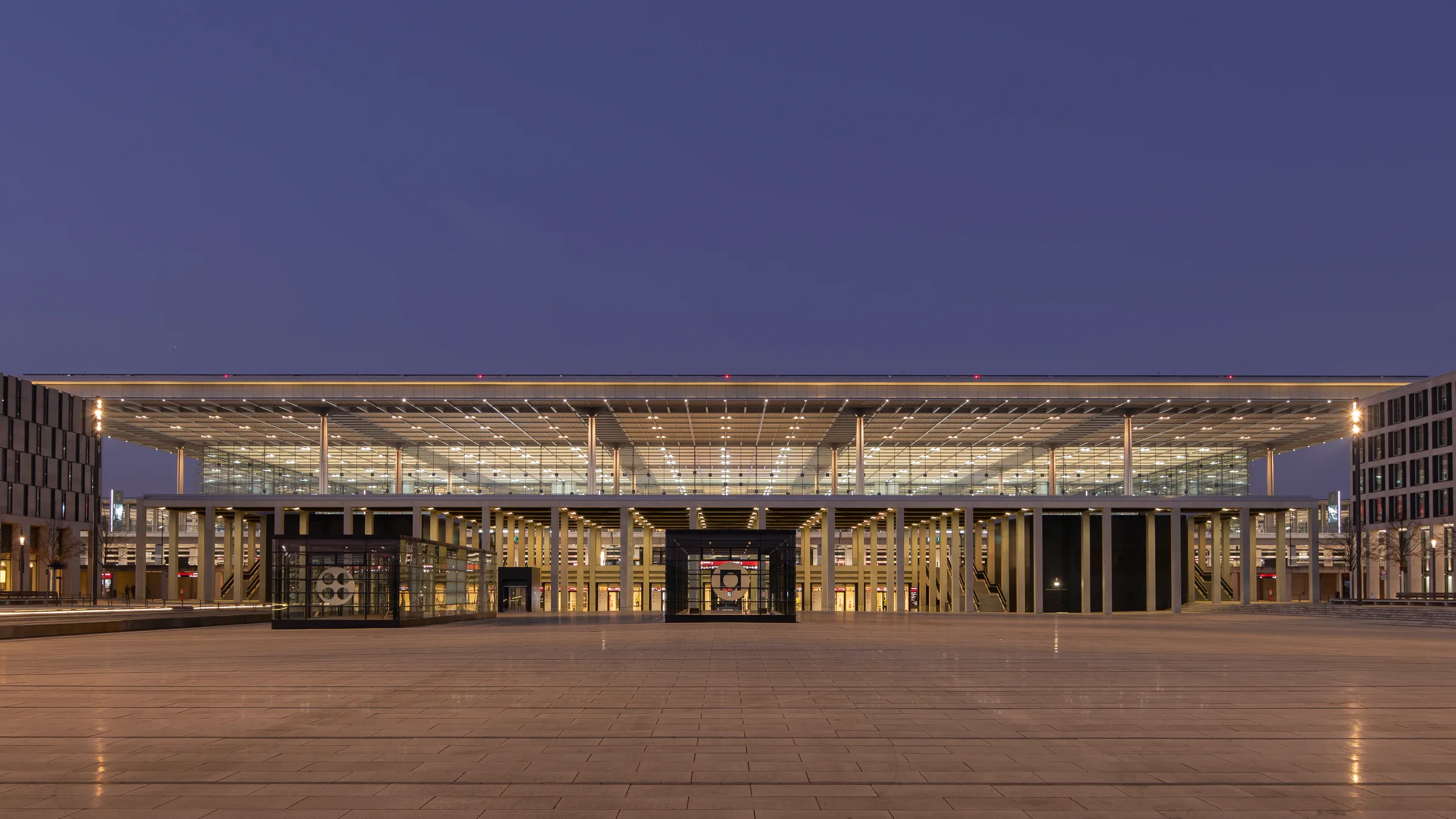
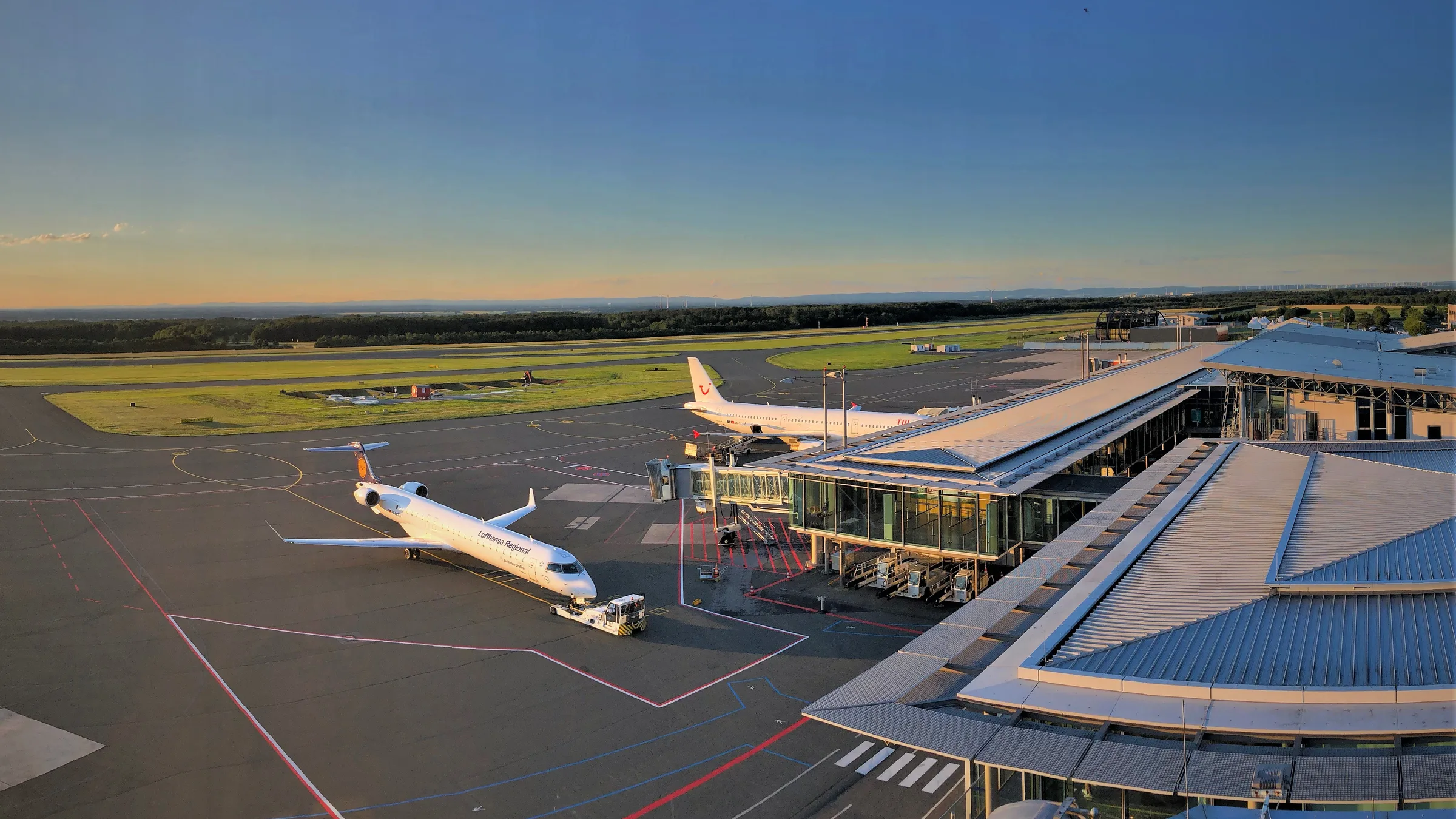
It sits between Leipzig and Halle, about 20 km from each, on the A14 with the A9 alongside — the A14 running east to Dresden and north-west to Magdeburg, the A9 south to Nuremberg and north to Berlin. Terminal A is the central building with check-in; Terminal B has arrivals on the ground floor, which is where a driver waits, and its departure level is split into Schengen, mixed and non-Schengen waiting areas.
Central Germany behind it is compact and full of mid-sized cities that are not well connected to each other: Jena, Erfurt, Dessau, Chemnitz, Naumburg, Weimar and the Saale valley are all within a straightforward drive and none has a direct link from the airport.
The airport has its own long-distance railway station, and trains into Leipzig Hauptbahnhof are frequent and quick — for a solo traveller with a bag heading into Leipzig, that is the right answer and we will not pretend otherwise.
The case for a car is the halfway position. The airport belongs to two cities and is convenient to neither on a bad connection; Halle, despite being the same distance, is served noticeably less well than Leipzig. If you are going to Halle rather than Leipzig, the comparison is much less one-sided than the timetable suggests.
Then there is the region and the clock. Jena, Erfurt, Dessau, Chemnitz and the Saale valley all need changes. And the freight-schedule arrivals in the small hours land when the station is at its emptiest and the connection you were counting on has stopped for the night. Between the two of them, that is most of the reason transfers get booked here.
Arrivals are on the ground floor of Terminal B, and that is where your driver waits with a name sign. Terminal A is the central check-in building and is where departing passengers are dropped — the two are one connected complex rather than separate buildings, so the distinction is about which door rather than which place. Flights are tracked from the number given at booking. The 60 minutes of free waiting after touchdown matter more here than at most airports, because a missed pickup at 03:00 at a freight hub has very little behind it.