For years this airport was sold as "Düsseldorf-Weeze", and in 2016 a court stopped it on the grounds that the name was likely to mislead passengers — Düsseldorf Airport being 77 km away. That ruling is the most useful thing anyone can tell you about arriving here, and it is still the assumption most first-time passengers arrive with.
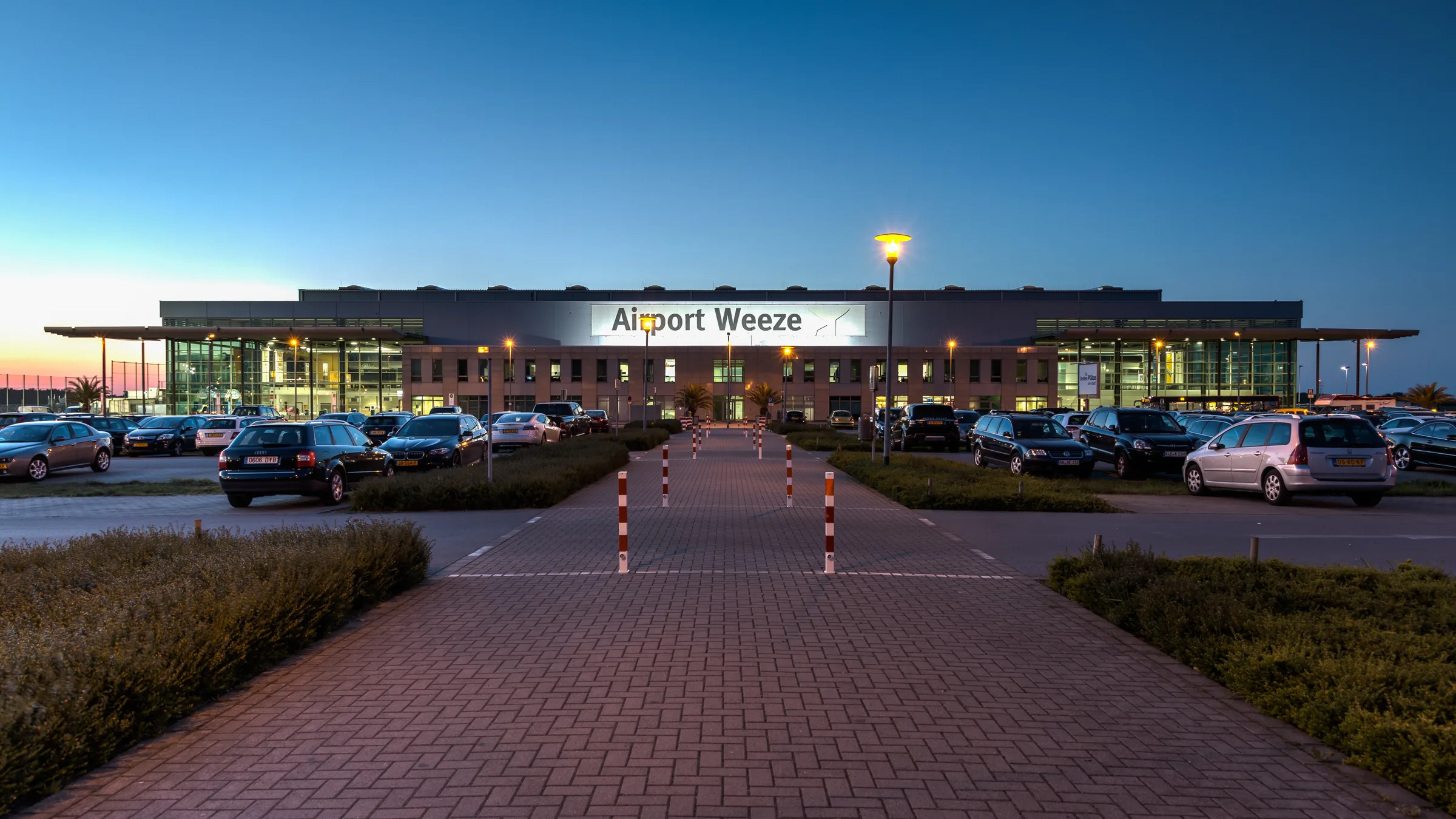
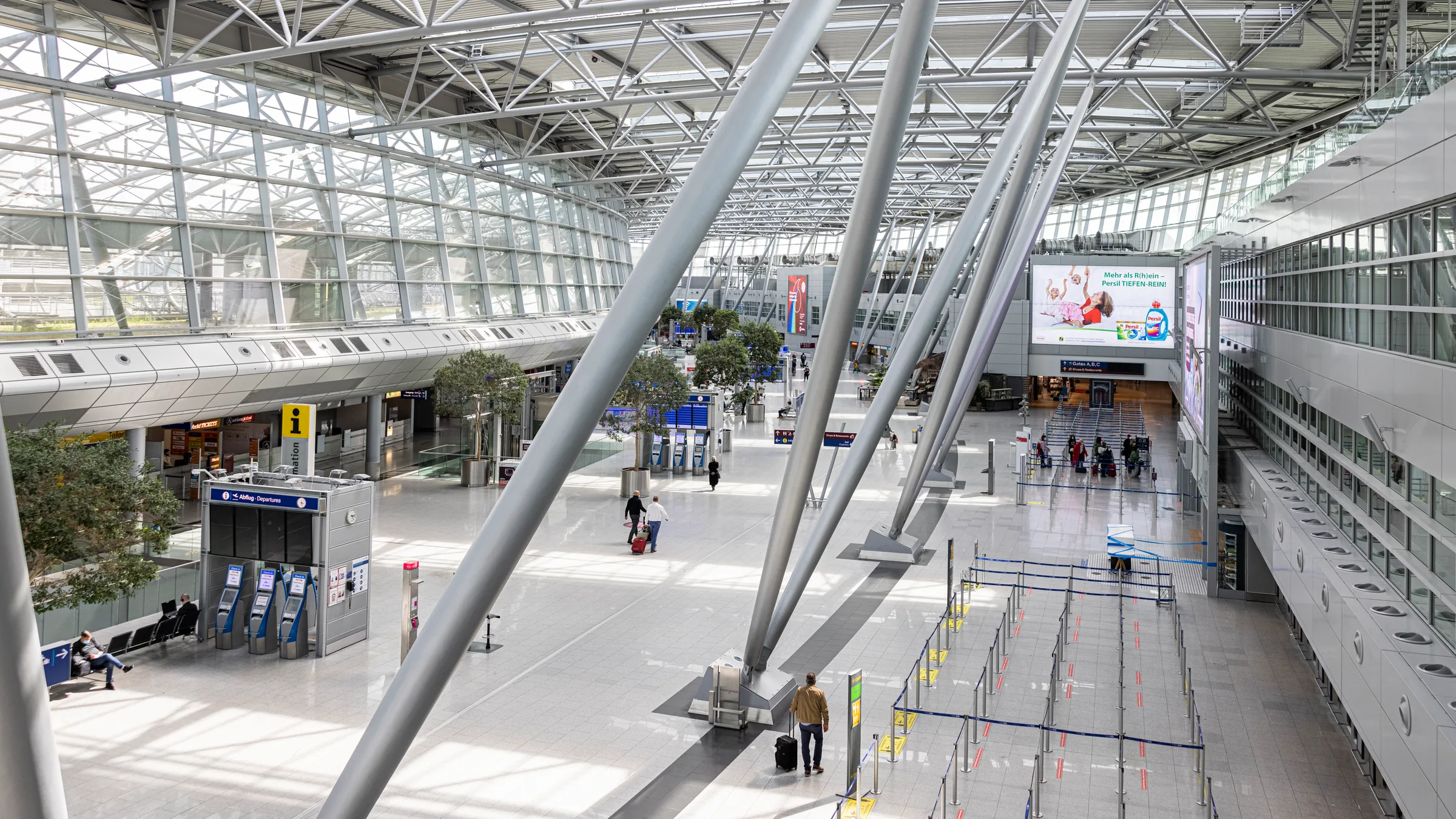
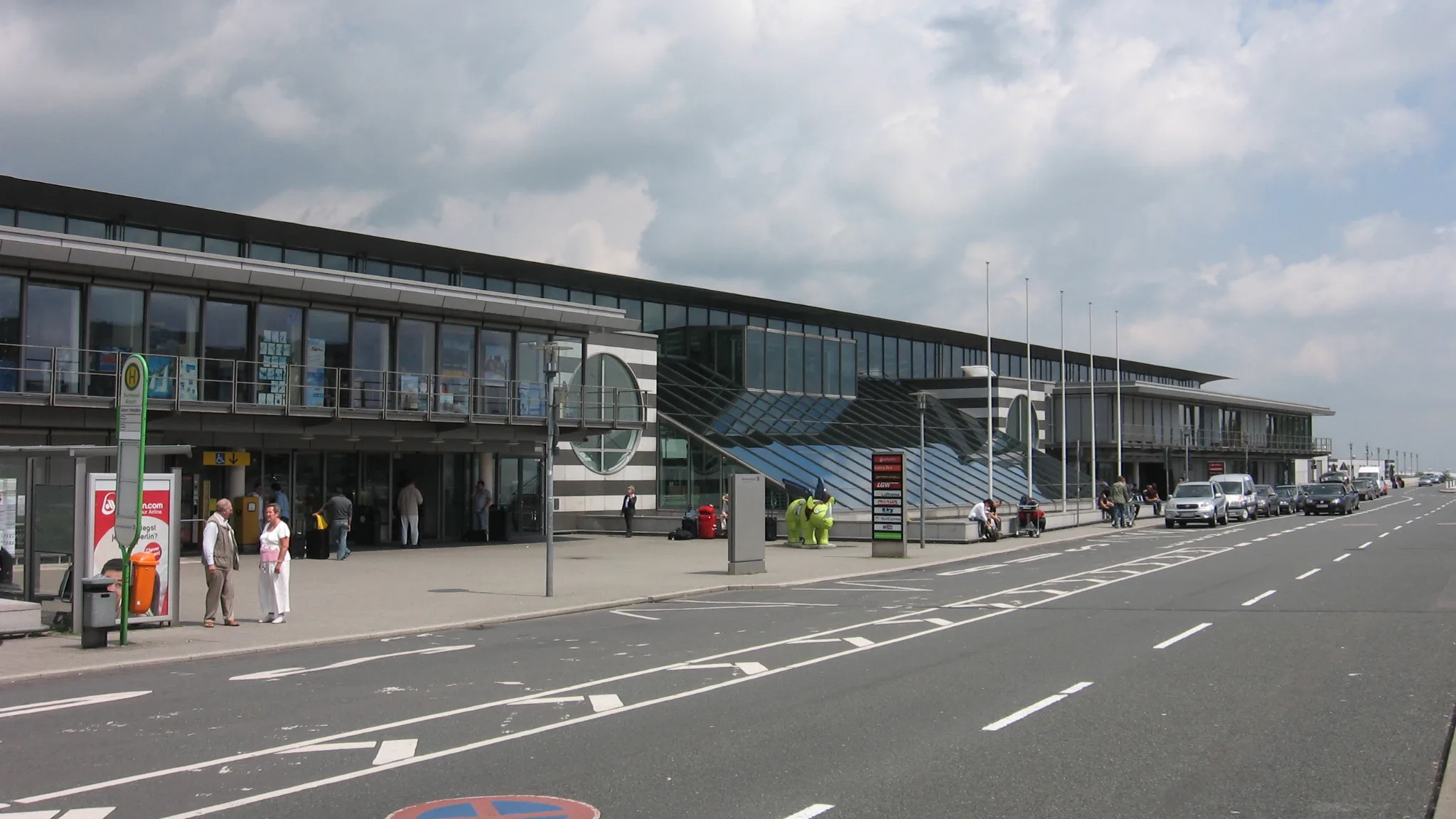
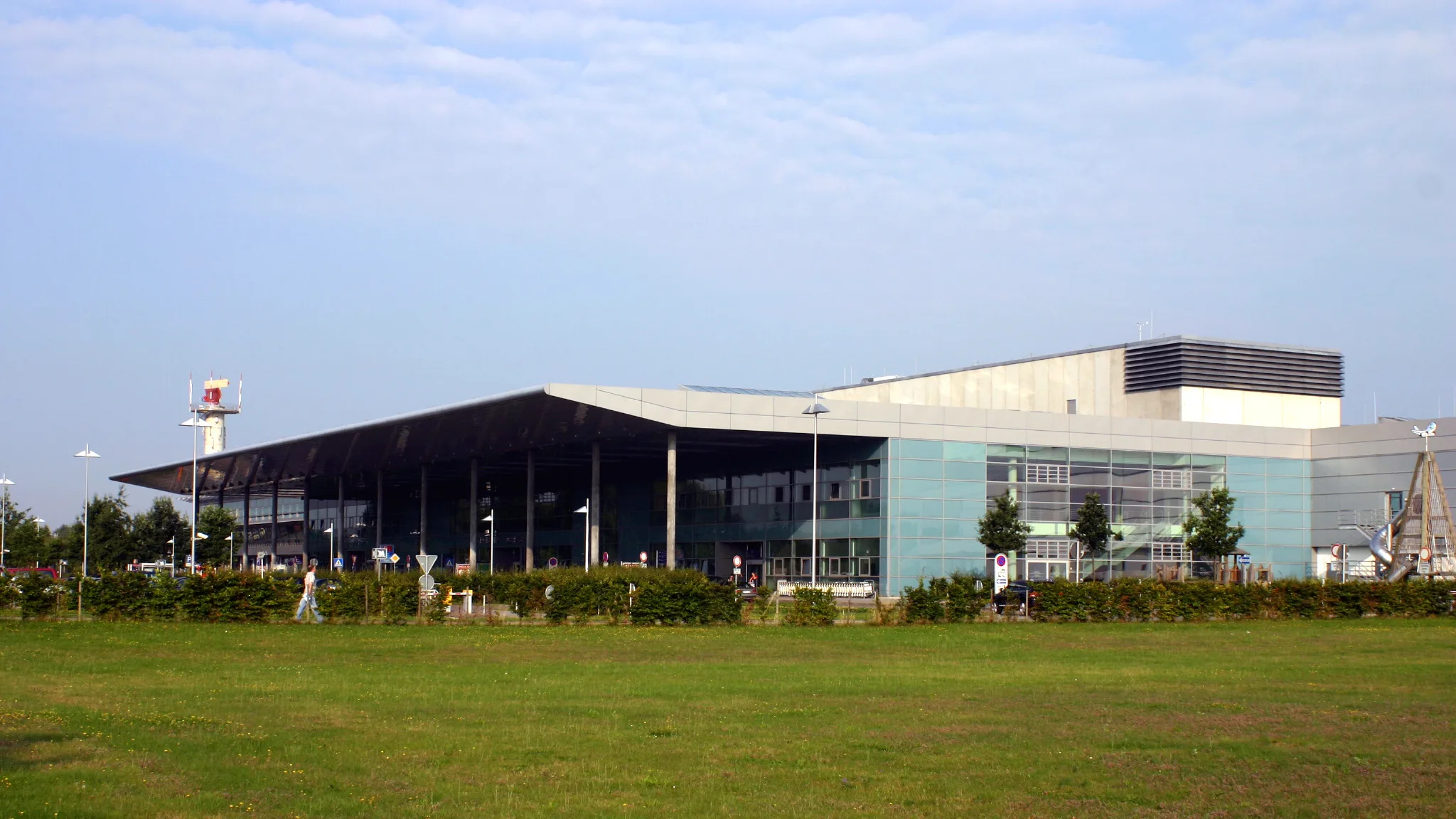
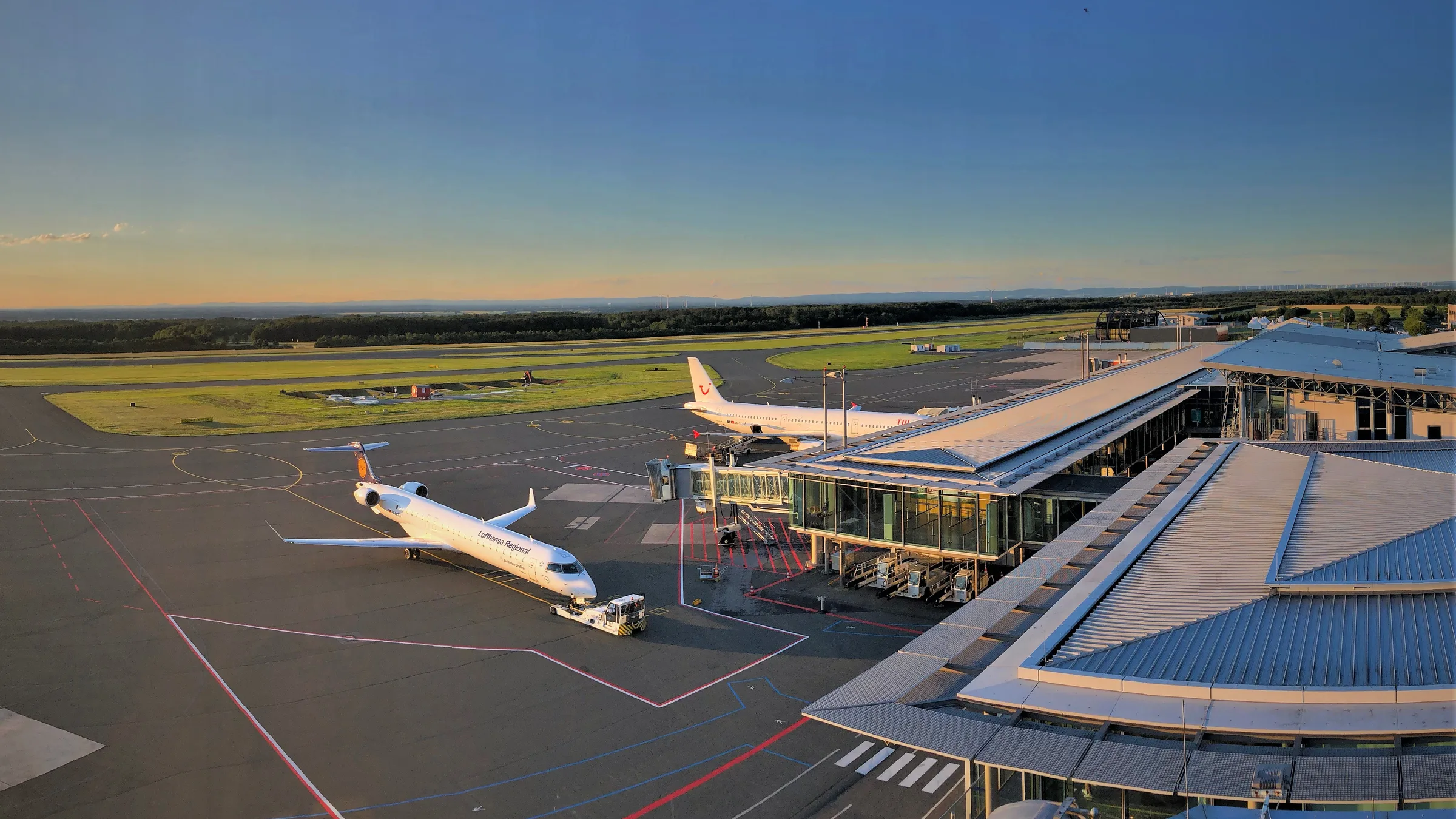
The airport is on the Lower Rhine near the Dutch border, on a former RAF station. It has one terminal and nine aircraft stands, six of them without a jet bridge, so arrivals often walk in across the apron. Ryanair is the base carrier, and the schedule is the low-cost one: cheap, early, late, and indifferent to what the local buses are doing.
The real geography is Dutch as much as German. Nijmegen is 33 km away, Duisburg 48, and the border is minutes rather than hours. A significant share of passengers here are Dutch travellers using a German airport, going in the opposite direction to what the name implies.
The Lower Rhine itself is flat, rural and spread out — a landscape of small towns and farmland rather than a conurbation. Kleve, Goch, Xanten and the Rhine meadows are all close by road and poorly connected by anything else, which is the ordinary condition of a destination from this airport.
A shuttle bus connects the terminal to Weeze station and there are coach services toward Düsseldorf and into the Netherlands, timed loosely around the flight schedule. For a single traveller with time, that chain works and is much cheaper than a car.
It stops working when a flight lands late, when there are three of you with cases, or when the destination is not one of the handful of places the coaches serve — and on the Lower Rhine that is most destinations. "Timed loosely around the flight schedule" is doing real work in that sentence: a delayed arrival can miss the connection it was built for.
A car also removes the border as a factor. A transfer to Nijmegen, Arnhem or Venlo is a shorter journey than one to Düsseldorf, which surprises most passengers and is worth checking before assuming the German side is the convenient one.
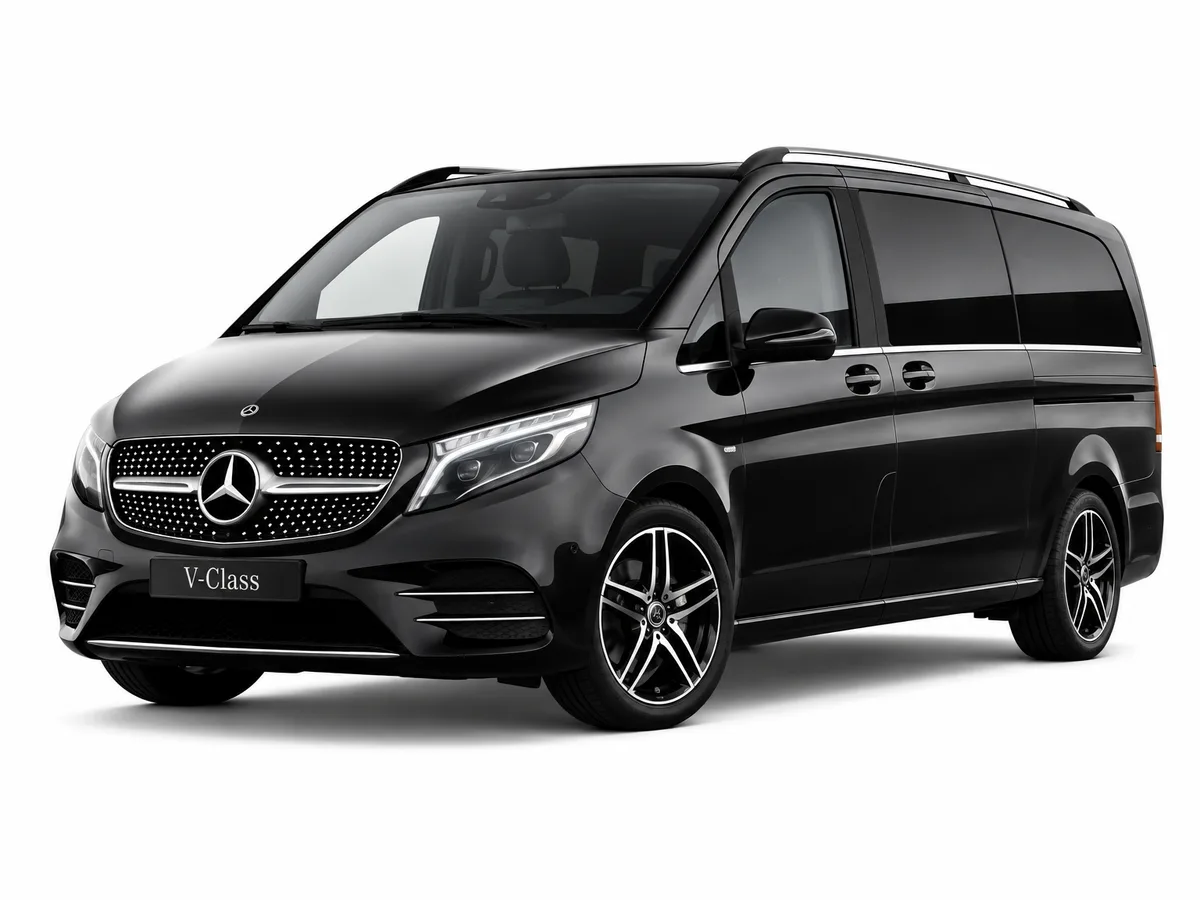
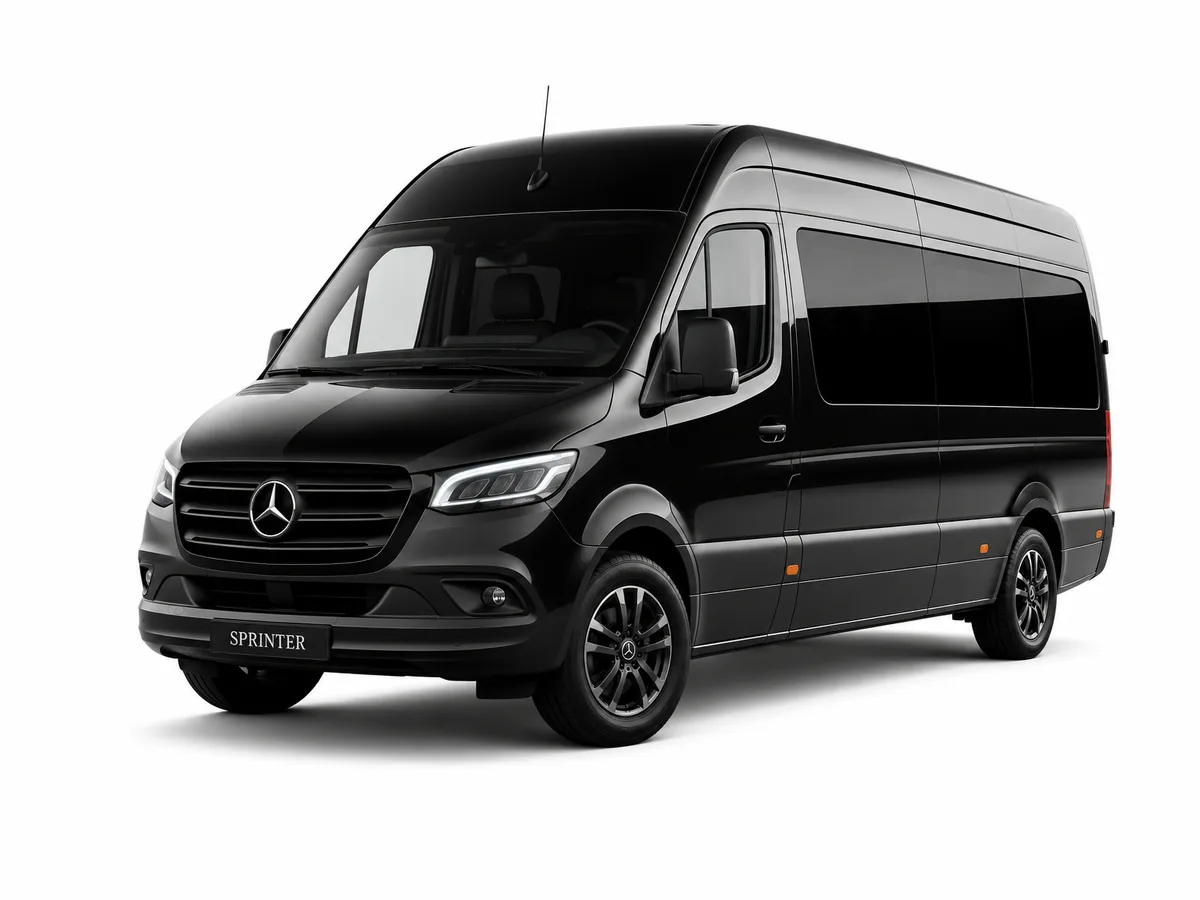
There is a single terminal, so there is one arrivals door and your driver is behind it with a name sign. Six of the nine stands here have no jet bridge, which means many arrivals walk in across the apron — quick in good weather and slower in bad, and another reason the 60 minutes of free waiting after touchdown is worth having. Flights are tracked from the number you give at booking.
A single terminal on a former RAF station, with one arrivals area. Six of the nine aircraft stands have no jet bridge, so arrivals frequently walk in across the apron — a short walk, but an outdoor one, and worth knowing if you are meeting somebody who will be slower than the crowd.
The airport is 3.7 km from Weeze itself and there is a station a short distance away, but the service is sparse and timed around the timetable rather than around a delayed arrival. On a late Ryanair inbound the practical options narrow quickly.
Weeze was marketed for years as “Düsseldorf-Weeze” until a court stopped it in 2016 as misleading, and the distance is the reason: Düsseldorf Airport is 77 km away. Nijmegen, across the Dutch border, is 33. If your destination is in the Netherlands — Nijmegen, Arnhem, Eindhoven — or anywhere on the Niederrhein, this airport is genuinely well placed and a car is the obvious way to use it. If your destination is Düsseldorf, you have landed a long way from it.