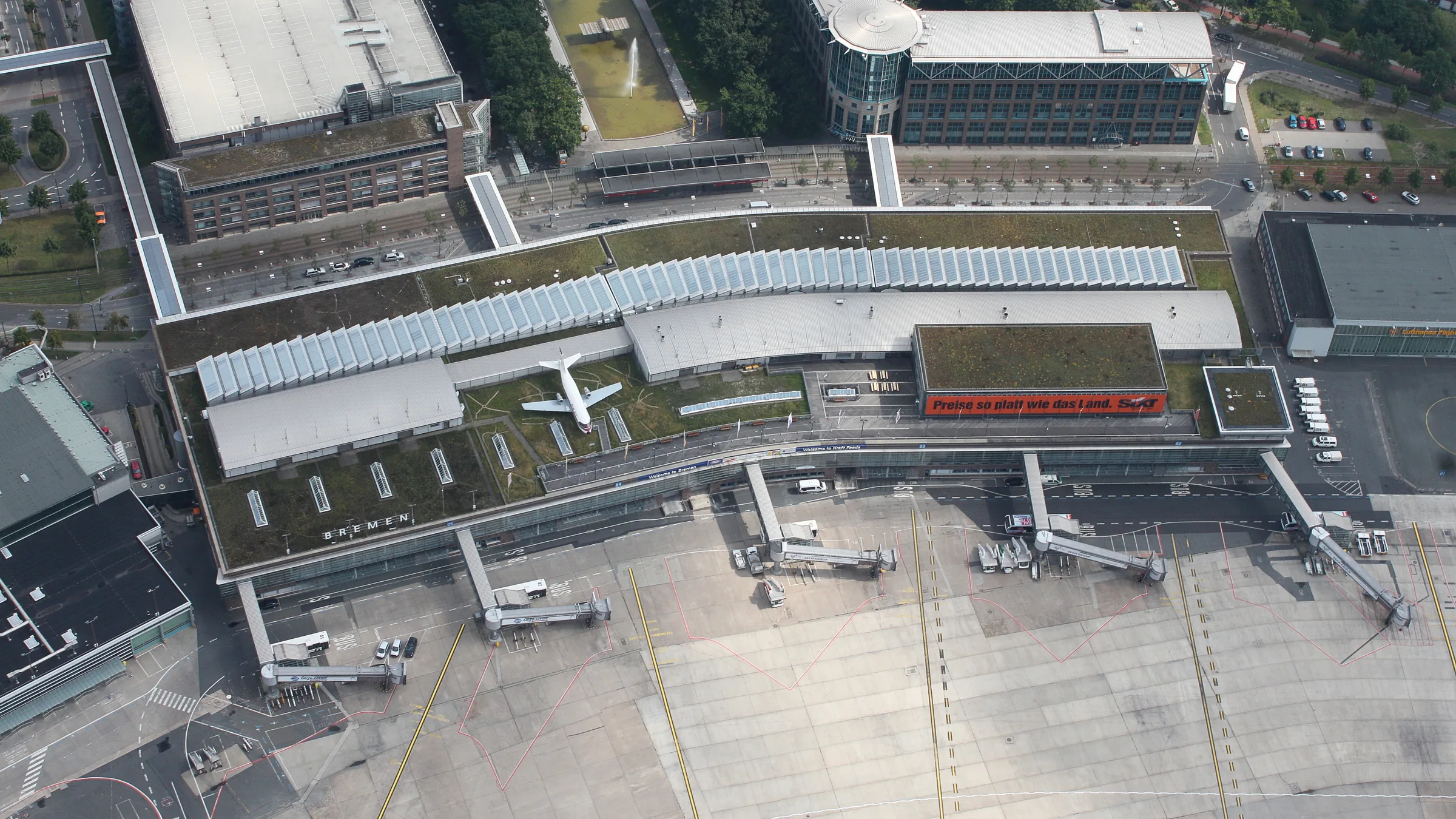
Three and a half kilometres is a distance you could almost walk, and it makes Bremen one of the least stressful arrivals in Germany. Very few airports anywhere in Europe sit this close to the city they serve.
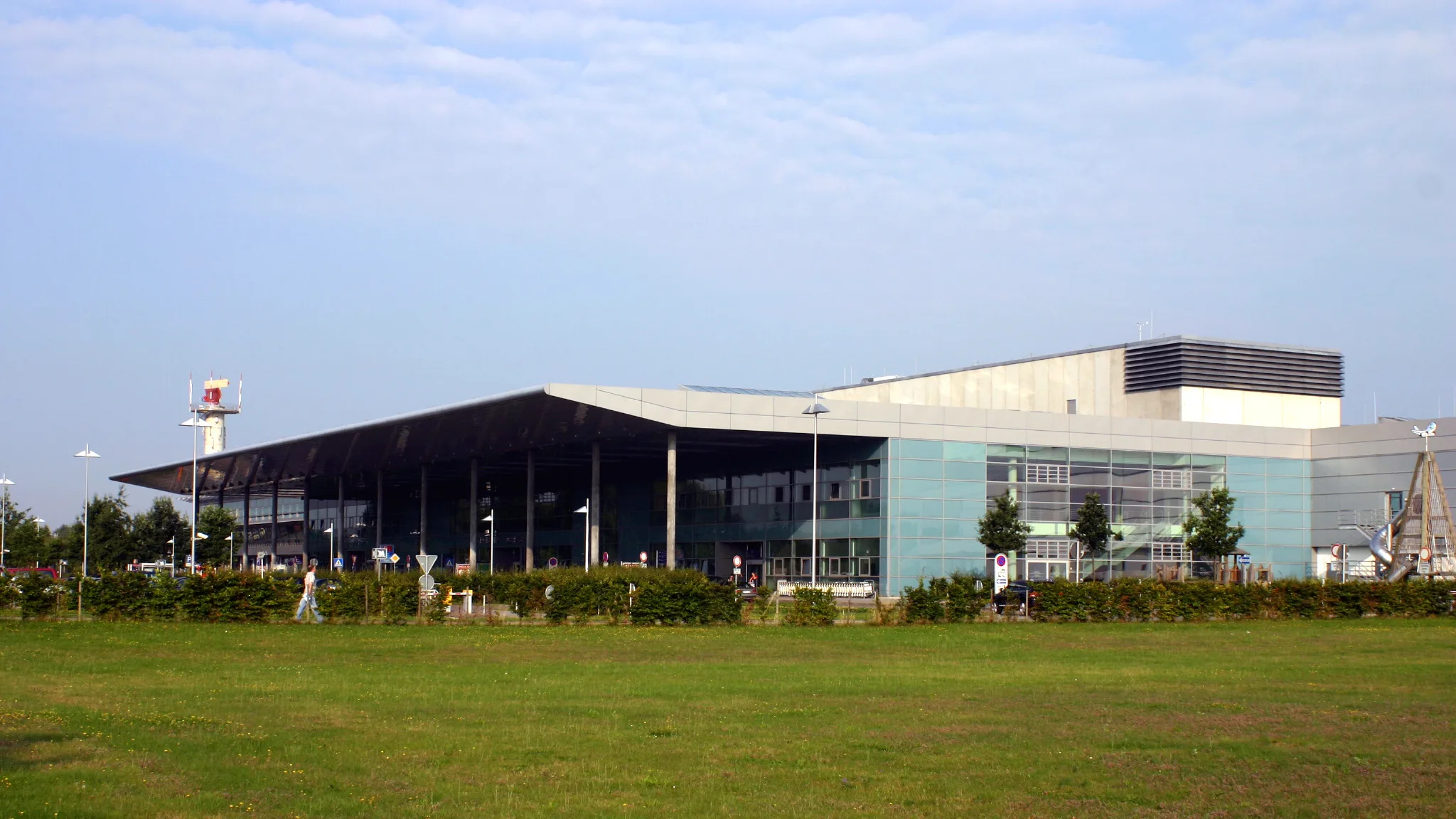
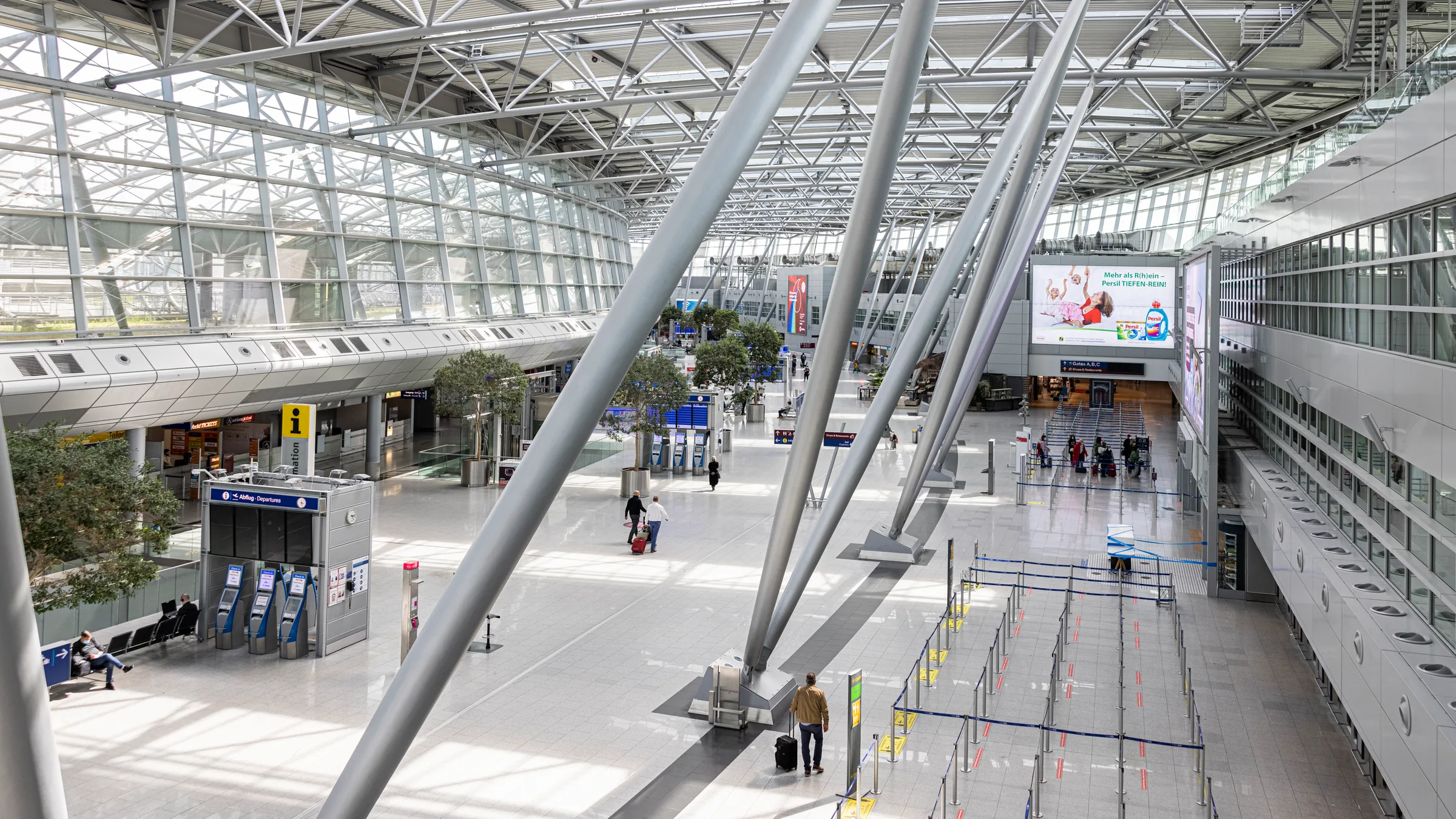
The airport is directly south of the city on the A1 at the Arsten exit, with the partially completed A281 city motorway alongside. There is one passenger building, divided internally into sections rather than into separate terminals, so there is a single arrivals area to be met in and no possibility of waiting at the wrong one.
Bremen is a working port and aerospace city rather than a tourist one, and that shapes the traffic. Airbus and the space industry have significant sites here, the port is one of the largest in Europe, and the university adds a steady academic flow. This is a business and visiting-family airport, and the transfers booked from it reflect that — company addresses, the docks, and the towns of the north-west rather than hotels in the old town.
The region behind it is thinly populated and widely spread. Oldenburg, Bremerhaven, Delmenhorst, Wilhelmshaven, the East Frisian coast and the islands are all normal journeys from here, and the further you go from Bremen itself the less the rail network helps.
Tram line 6 stops directly outside the terminal, runs every six to ten minutes and reaches the city centre in about eleven minutes. For one person going into Bremen it is genuinely hard to beat and we would not try — it is the shortest, cheapest airport-to-city connection in this network.
Where a car matters is the region. Oldenburg, Bremerhaven, Delmenhorst, Wilhelmshaven and the East Frisian coast all need a change, and several need two. The cruise terminal at Bremerhaven is a booking in its own right: a deadline, a lot of luggage, and a rail journey that involves changing trains partway.
The port and the Airbus works are the other pattern. Both are large industrial sites with addresses that public transport reaches slowly or not at all, and both generate travel at shift-change hours rather than commuter hours. That combination — a specific gate, an awkward time — is what a booked car is for.
You are met in the single arrivals area, with a name sign. Bremen has one passenger building divided into internal sections rather than separate terminals, so there is only one place to be met and no terminal to get wrong — combined with 3.5 km to the city, this is about as simple as arriving in Germany gets. Flights are tracked from the number you give at booking, and 60 minutes of free waiting after touchdown is included.
One passenger building, divided internally into sections rather than into separate terminals. Whatever the signage inside suggests, that means a single arrivals area and a single place to be met. At 3.5 km, Bremen is closer to its own city centre than any other airport in this network.
Kiss & Fly gives ten free minutes, read by number-plate recognition on the way in, and then charges €3 for each further ten minutes started. It replaced a regime of parking tickets, which is why older guides still warn you off stopping outside the terminal — that advice is out of date and worth ignoring.
Tram line 6 stops directly outside the building and runs into the city centre, and for one person with a bag it is plainly the better answer. Three and a half kilometres does not need a car. Where a car earns its place is the run out to Oldenburg, Bremerhaven and the North Sea coast, where the rail service thins out sharply, and the very early departures this airport’s low-cost schedule is built around, when the tram has not started.