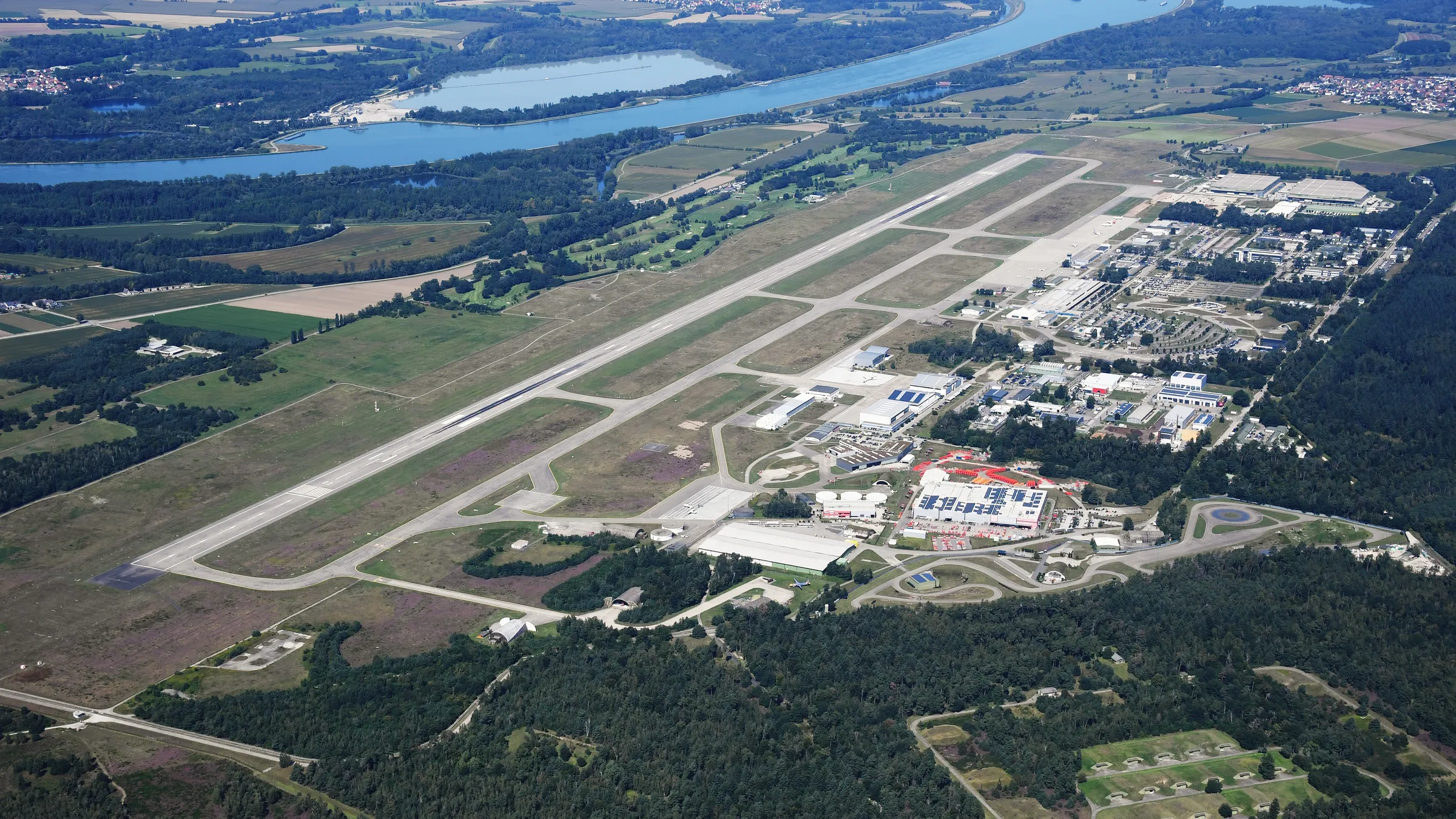
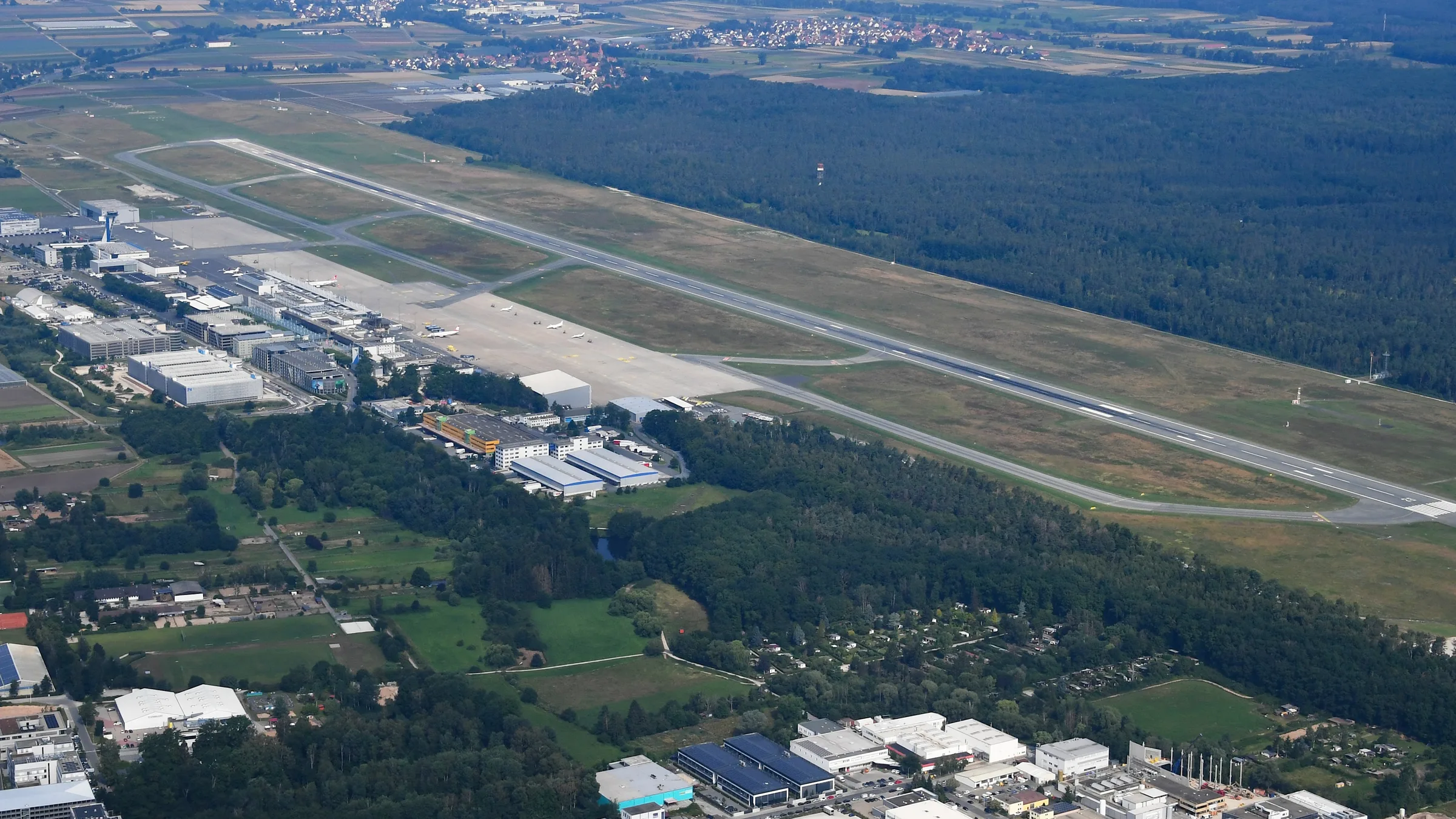
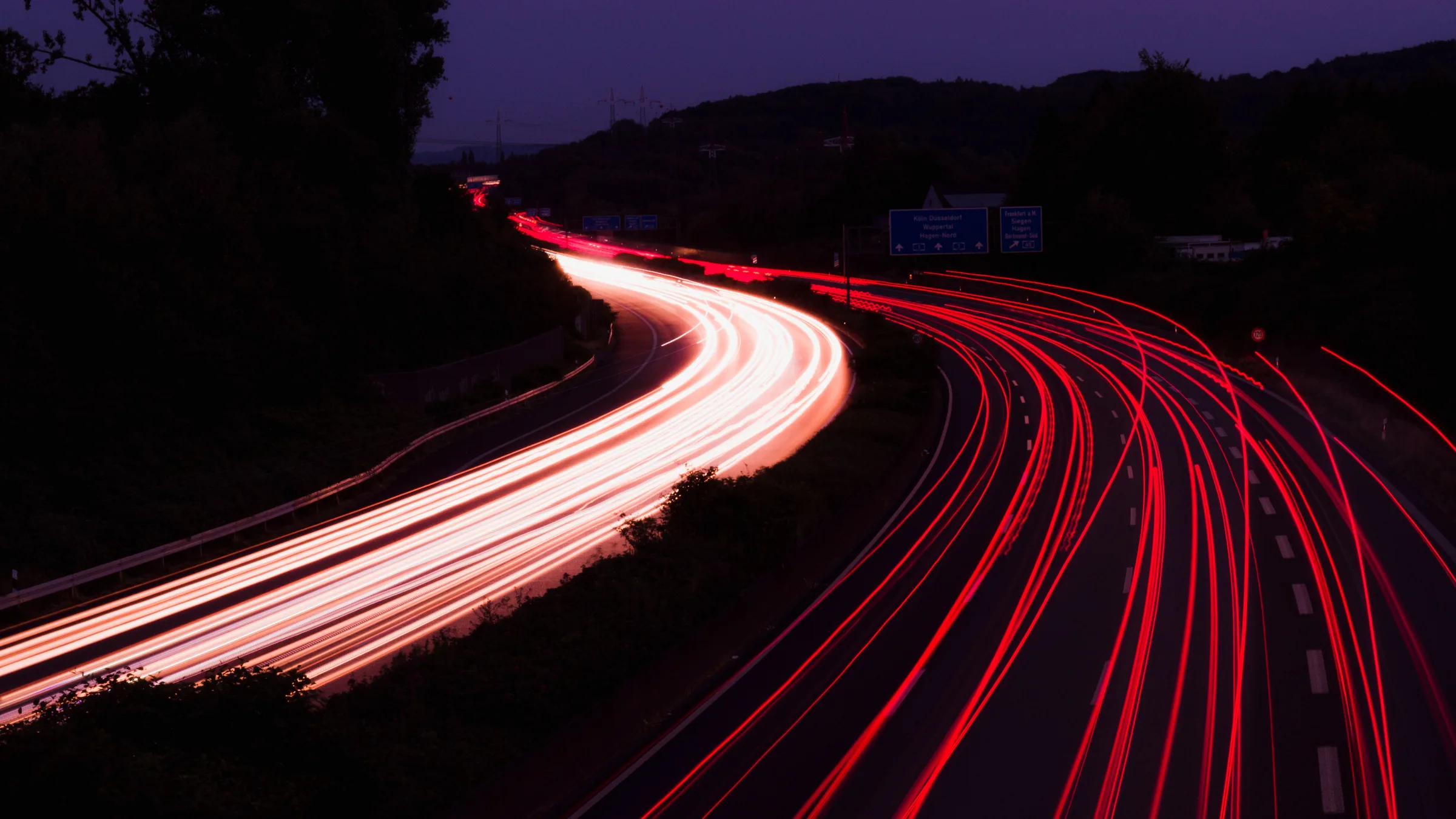
Stuttgart is the airport most shaped by the city below it. The centre lies in a steep basin and the airport sits on the Filder plateau above it, which is why the 13 km road distance is only 10 km as the crow flies and why the drive is a descent rather than a straight run. The topography is not a detail here — it is why journey times into the city are less predictable than the distance suggests.
The A8 passes immediately north, connecting Karlsruhe, Ulm, Augsburg and Munich, and the B27 drops into the city. Messe Stuttgart is next door — an adjacency that decides the whole calendar here, because a fair week fills the road, the terminals and the taxi rank at the same hour.
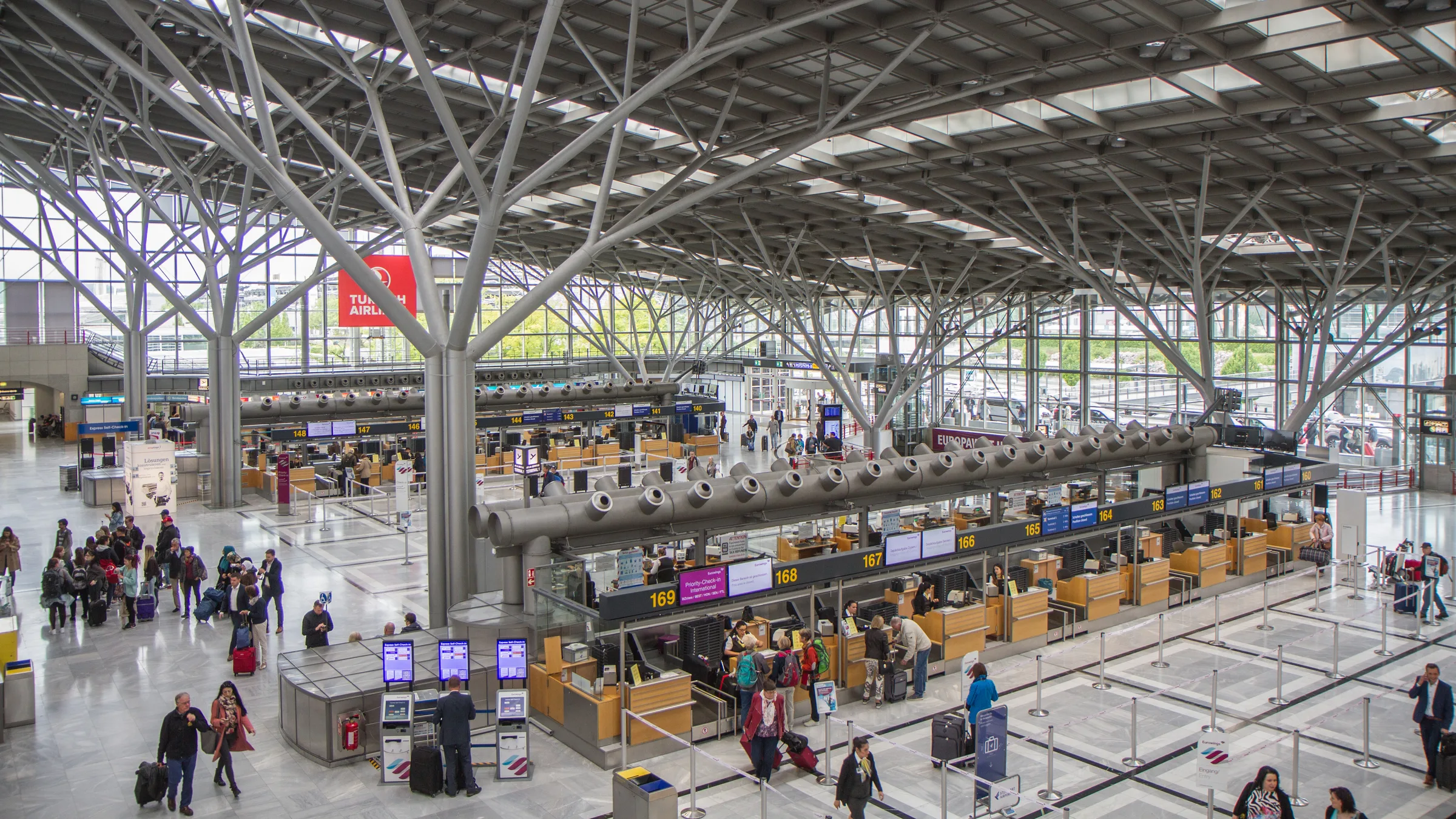
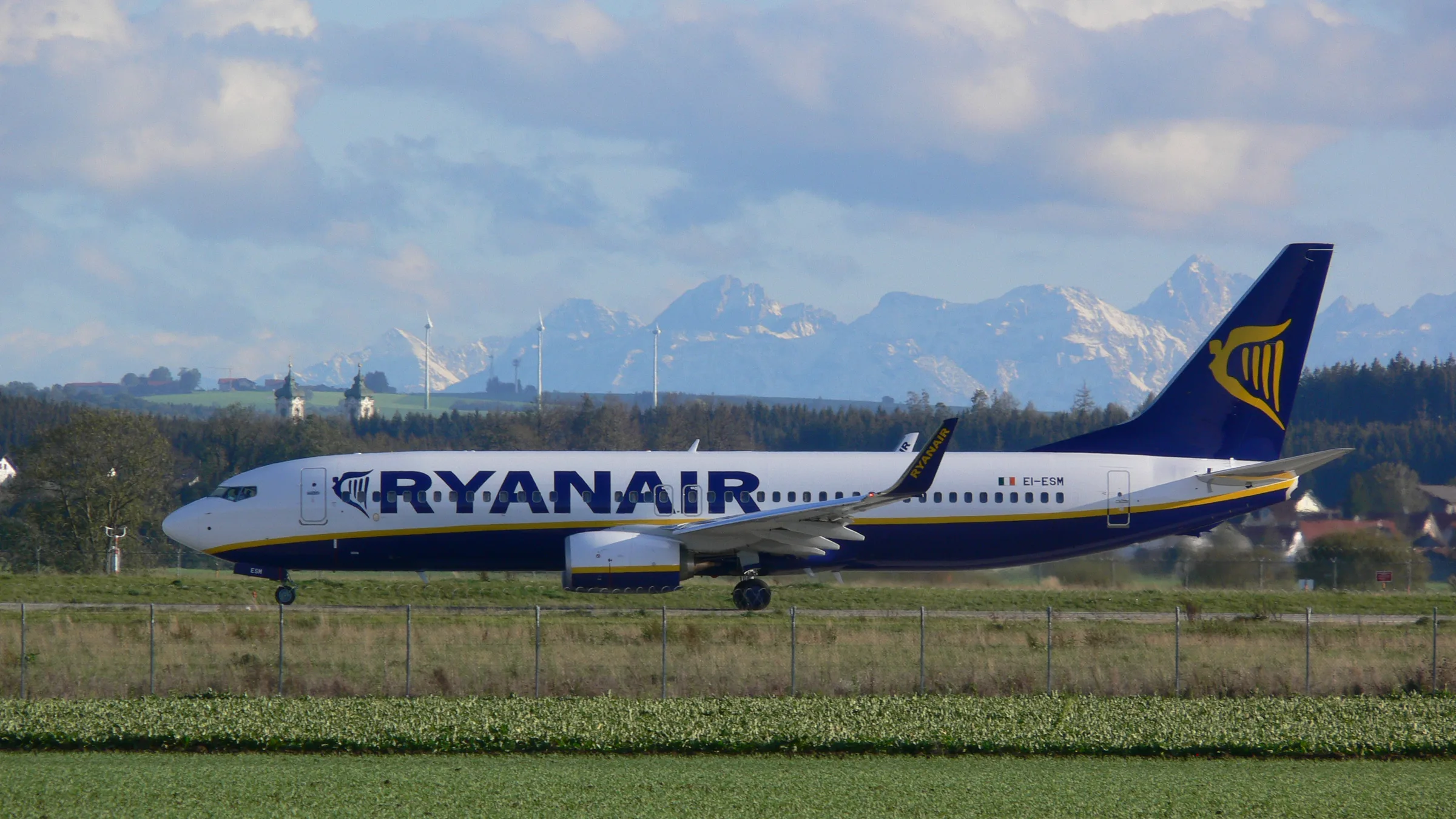
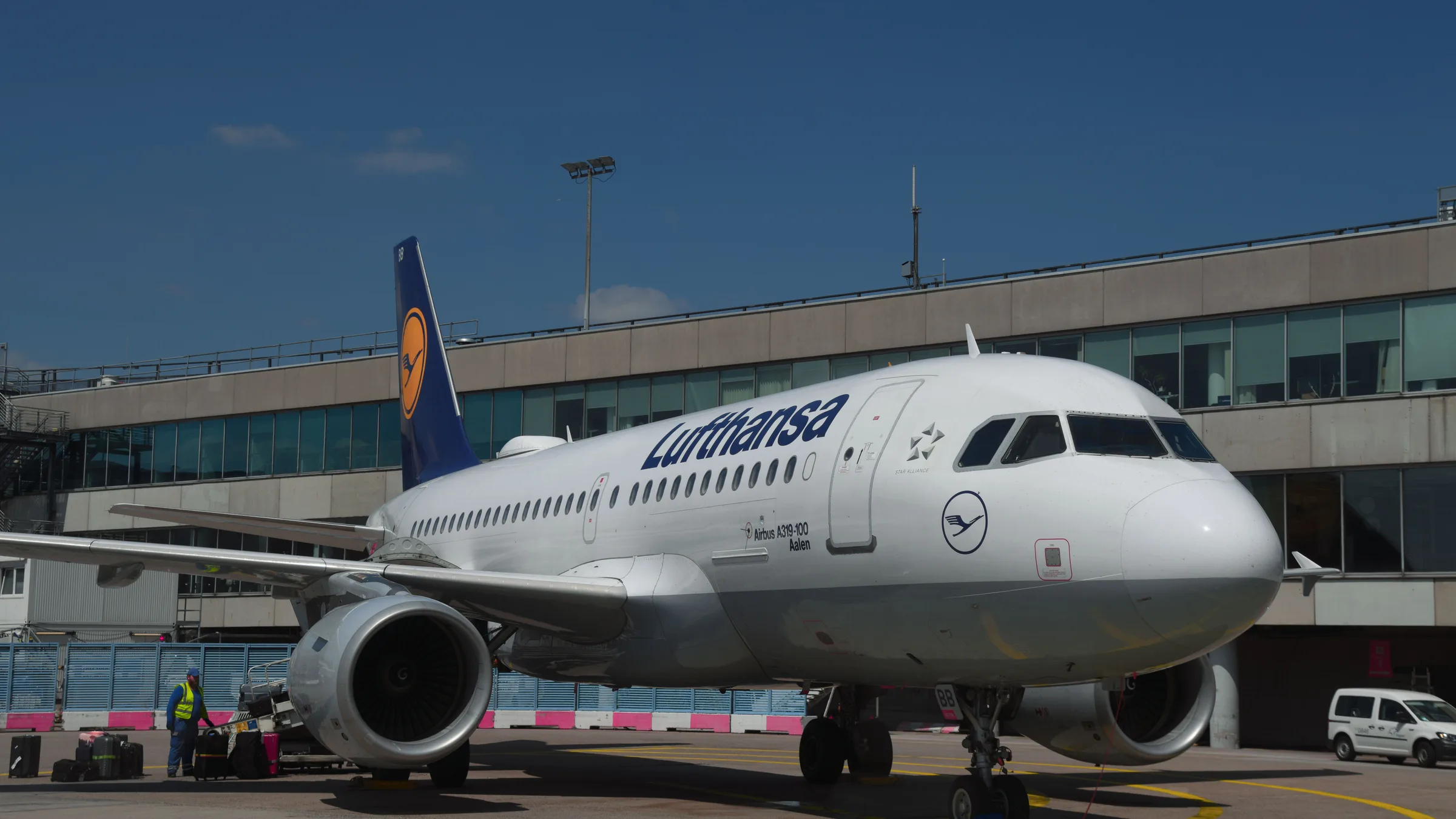
There are four terminals in a row, each with its own check-in: Terminal 1 for Eurowings and Turkish Airlines, Terminal 2 for Lufthansa and Star Alliance, Terminal 3 for TUIfly and KLM, and Terminal 4 for holiday charter. They stand along one road and are interconnected airside, so a drop-off at the wrong one costs a short walk rather than a journey — which is not true at Frankfurt or Munich. Arrivals are on level 2 throughout, with one asymmetry that catches people out: Terminal 2 handles departures only. It has no arrivals hall, so a Lufthansa passenger who checked in there on the way out comes back to Terminal 1 or 3.
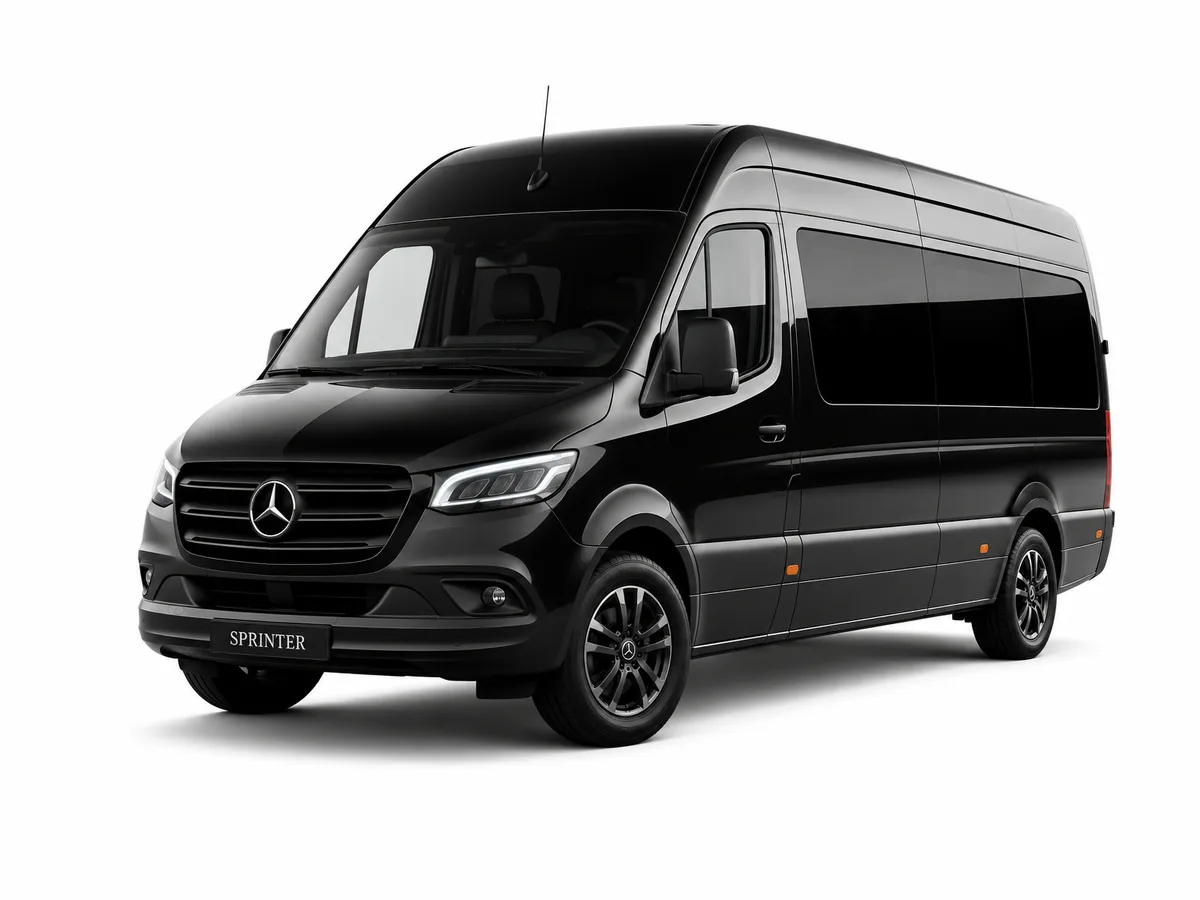
The region behind the airport matters more than the city in front of it. Baden-Württemberg is Germany’s densest concentration of engineering and automotive industry, and almost none of it is in Stuttgart proper: Böblingen, Sindelfingen, Ludwigsburg, Esslingen, Reutlingen, Tübingen and Heilbronn are where the work is. That produces a great deal of business travel to addresses no rail line serves directly.
The S-Bahn runs from under the terminals into the Hauptbahnhof and, for one person going to central Stuttgart, it is faster than the road and much cheaper — take it, and take it especially during a fair, when the road is the worst part of the trip.
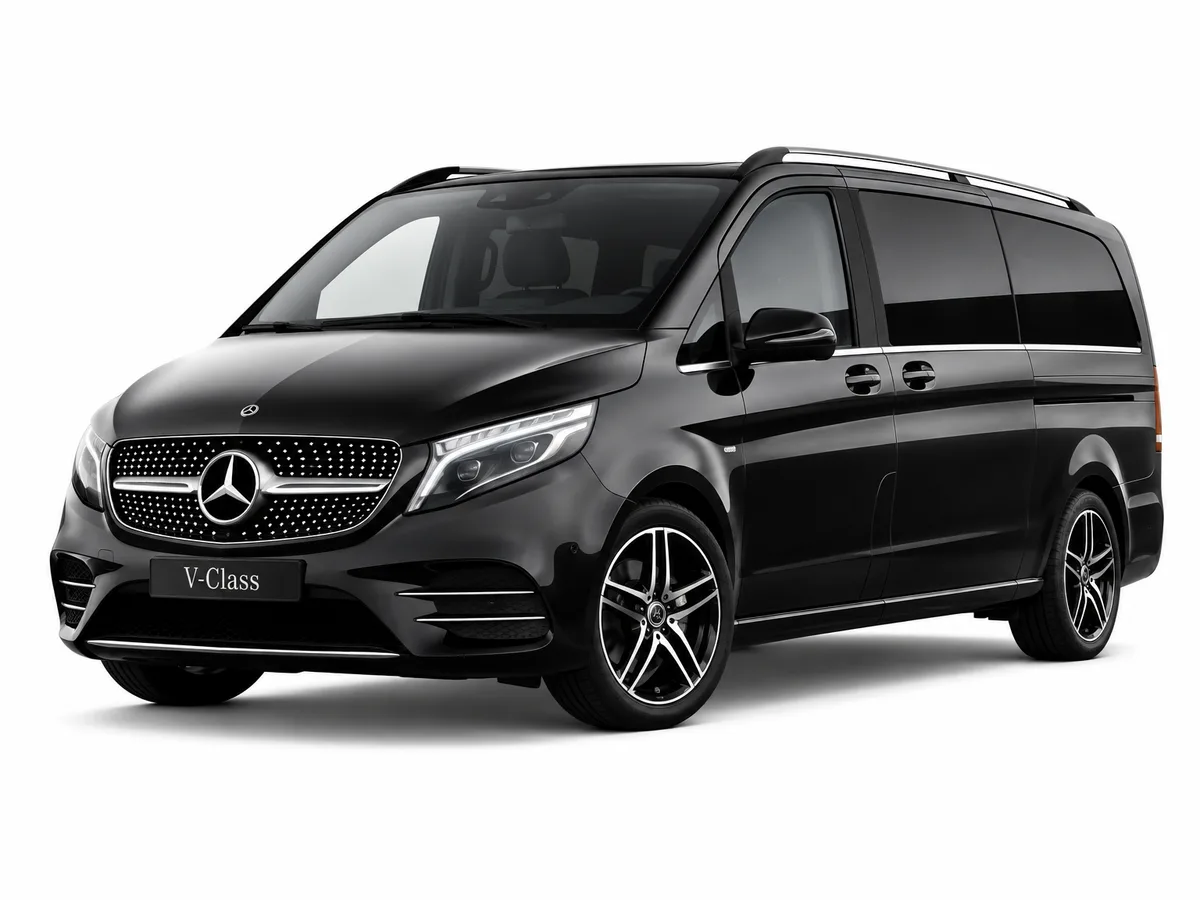
A car earns its price on the region rather than the city. Journeys to Böblingen, Sindelfingen, Ludwigsburg, Reutlingen, Tübingen or Heilbronn are exactly the kind that look short on a map and turn into two changes on rail, usually ending at a station some distance from an industrial park. For a business trip with a fixed meeting time, that chain is the risk.
Exhibition traffic is the other case, and it is the one where a price fixed in advance matters most. Messe Stuttgart is next to the airport, which sounds convenient and stops being so during a large fair: the same short stretch of road carries every arriving delegate at the same hour. A booked vehicle at an agreed price is immune to both the queue and the surge, and it goes to the specific hall.
Your driver meets you at the terminal your flight arrives at, taken from the flight number you give at booking, holding a name sign inside arrivals. Stuttgart has four terminals standing in a row along a single road with their own check-in areas, so being met at the wrong one costs a short walk rather than a transfer ride — a useful margin of safety when a gate changes late. Flights are tracked, and 60 minutes of free waiting after touchdown covers passport control and baggage reclaim on a normal arrival.