FMO is a rural airport serving two mid-sized cities and the countryside between them, and its single most useful fact is that it is not really near either. Twenty-five kilometres from Münster and thirty-five from Osnabrück means there is no short hop from this airport to anywhere.
The surrounding Münsterland is farmland and small towns rather than a transport network. It is one of the flattest and most agricultural regions in Germany, famous for its moated castles and its cycling, and almost none of what a visitor comes for is at a railway station. That is the structural fact behind every transfer booked here.
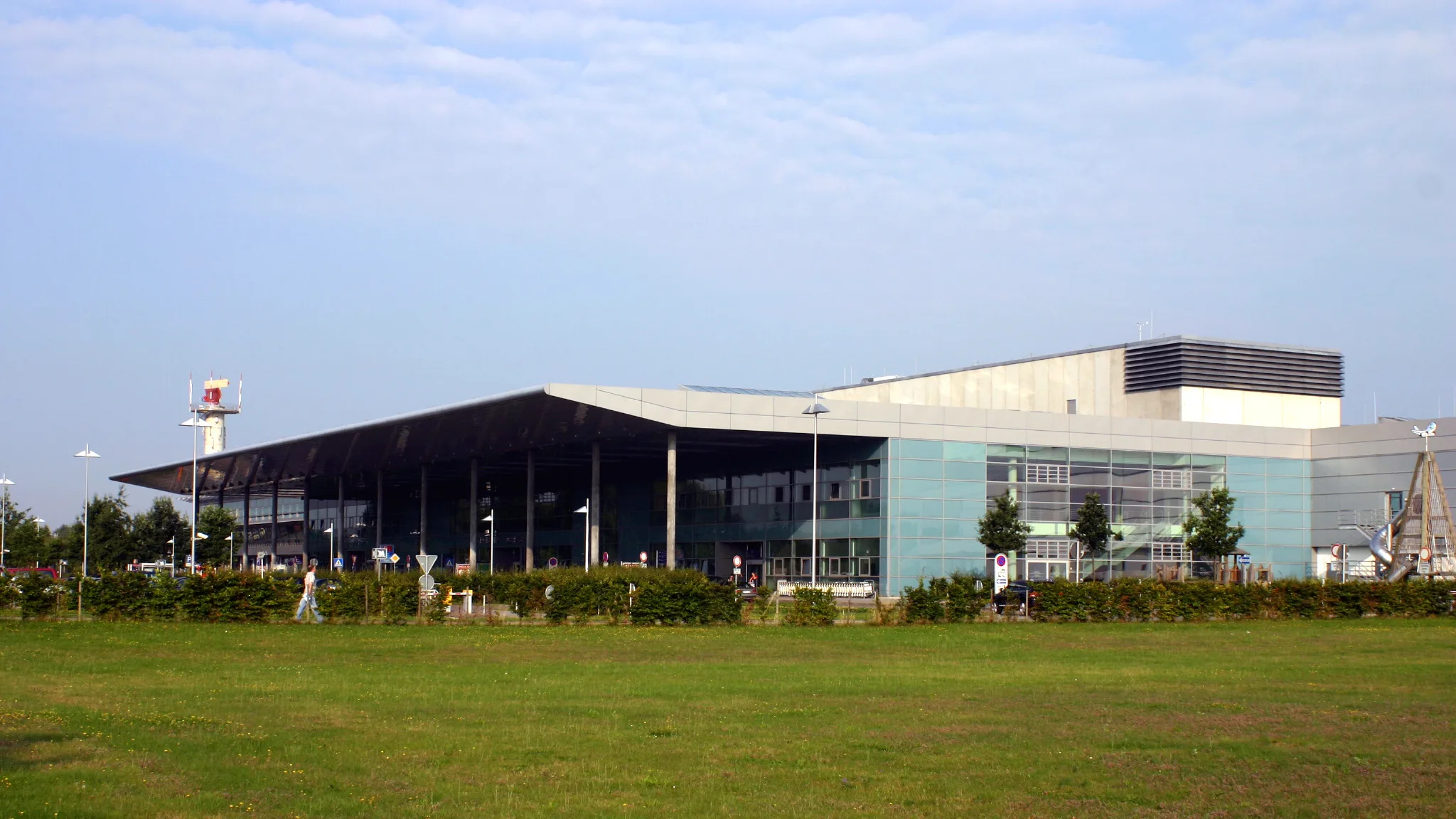
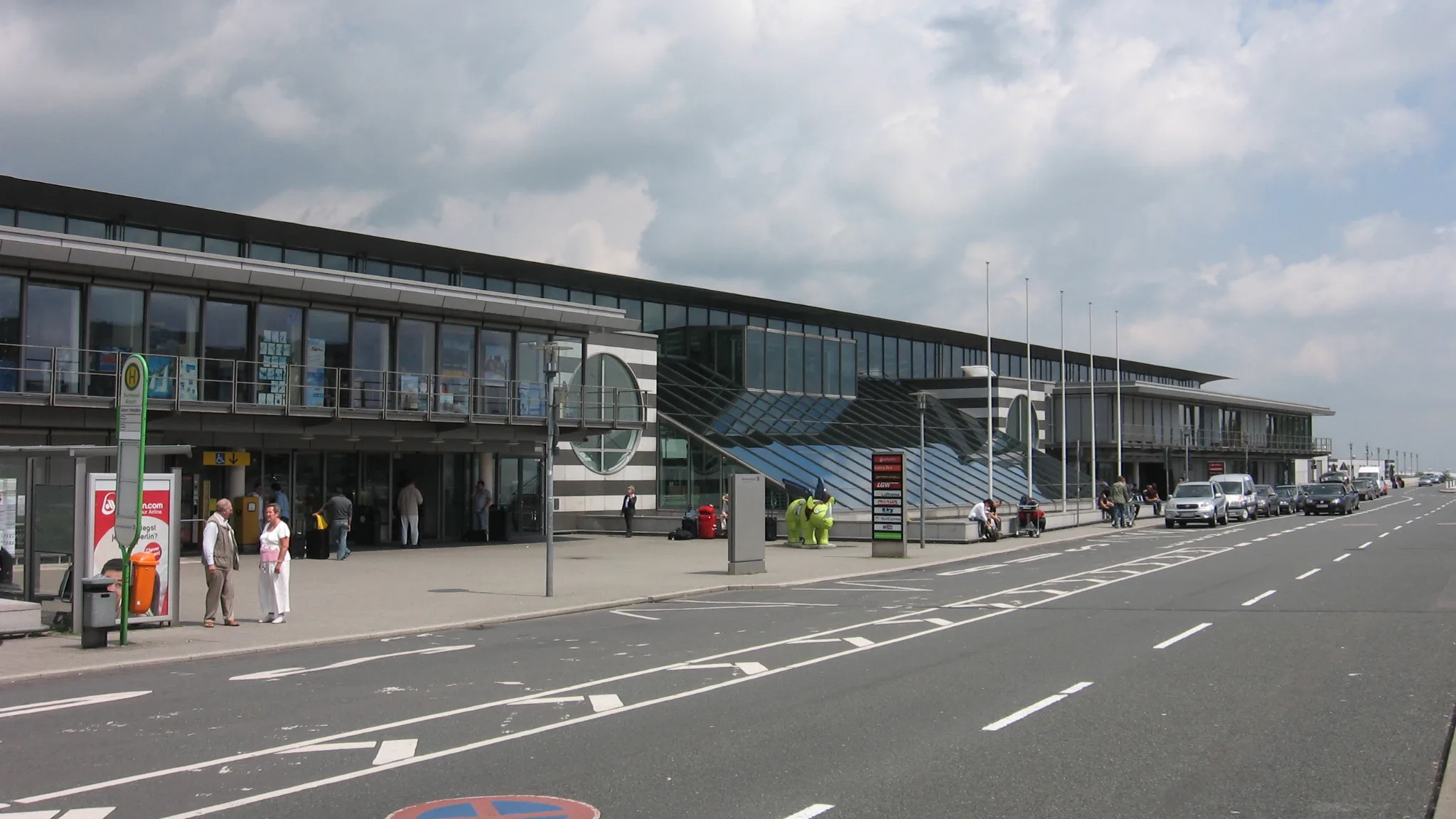
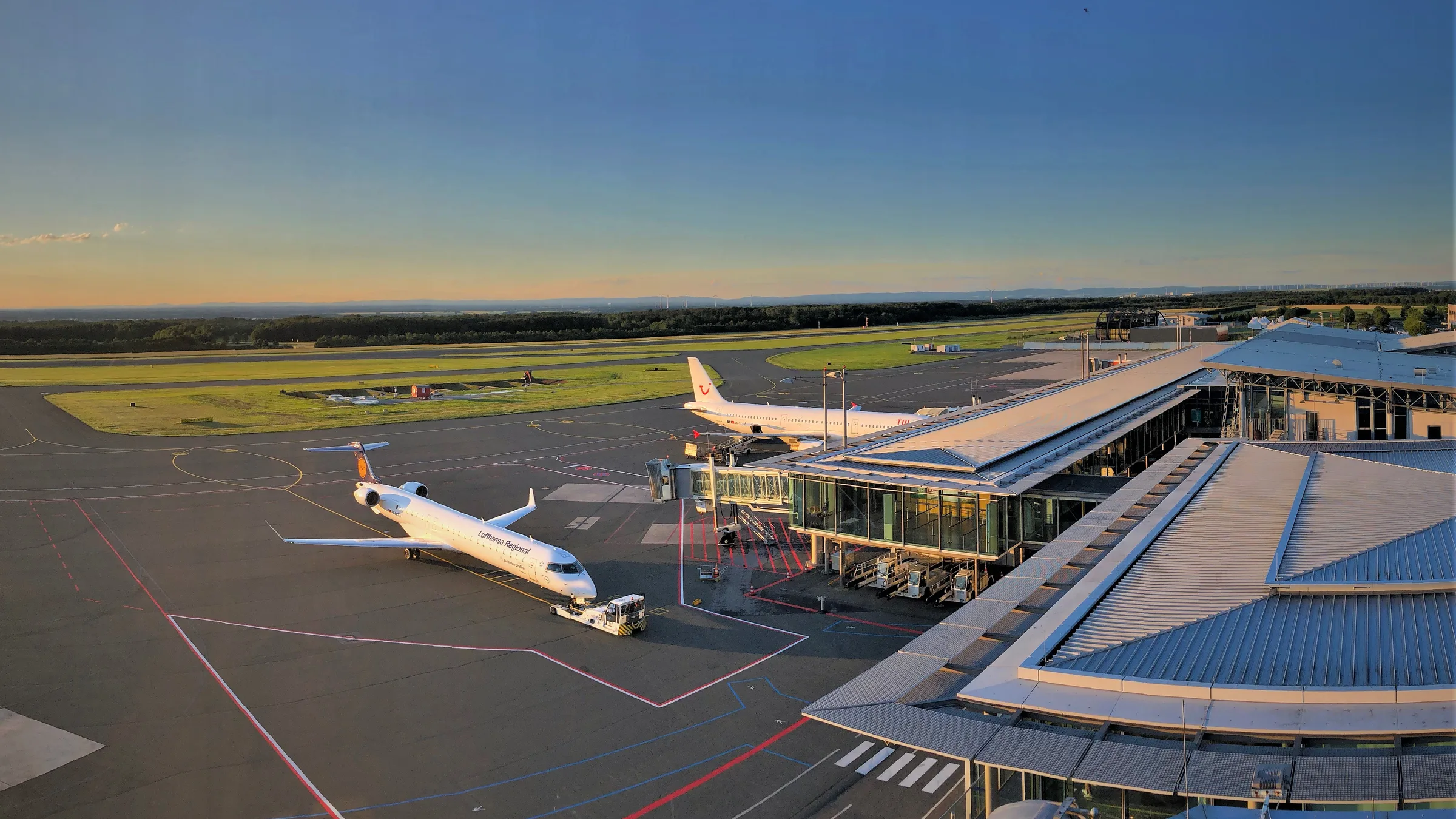
One passenger building handles everything. Its two halves are labelled Terminal 1 for arrivals and Terminal 2 for departures, which is a direction rather than two buildings — you are met in Terminal 1. There is a single runway and around 7,500 parking spaces, which tells you what kind of airport it is: one most of its passengers normally drive to.
Road access is the A1 at exit 75, coming from Bremen and Osnabrück, or the A30 at exit 11b from the direction of Amsterdam and Rheine. The Dutch border is not far, and cross-border traffic toward Enschede and the eastern Netherlands is a real part of the catchment.
Buses connect the airport to Münster and Osnabrück and are the cheap option for a single traveller heading to either city centre — if that is your journey and the timetable suits, take the bus. There is no reason to pay for a car to do something a scheduled service already does.
What the bus cannot do is the Münsterland itself, which is where most FMO passengers are actually going: farm hotels, moated houses, small towns and business addresses in the Kreis, none of them on a route that runs when your flight lands. The gap here is not that the service is slow — it is that there is no service.
With two cities at a distance and a rural catchment between them, this is an airport where a car is the normal answer rather than the upgrade. It is also worth checking the bus timetable against your actual arrival time rather than against the idea of a bus: at a regional airport the last departure of the evening can be earlier than the last flight.
You are met in Terminal 1, which is the arrivals half of the single passenger building. Terminal 2 is the departures half of the same building, so the two names describe a direction rather than two places to get lost between — there is one arrivals door and your driver is behind it with a name sign. Flights are tracked from the number you give at booking, and 60 minutes of free waiting after touchdown is included.
One building, whose two halves are labelled Terminal 1 for arrivals and Terminal 2 for departures. That is a direction, not two buildings — and it is the thing most worth knowing about Münster Osnabrück, because the numbering makes it sound like an airport with a terminal choice to get wrong. You are met in Terminal 1, every time, because Terminal 1 is where the arrivals doors are.
The loading and unloading strip on the terminal forecourt gives ten free minutes. At an airport this size that is genuinely long enough to see somebody out and away, which means parking is rarely worth the walk.
The airport sits 25 km north of Münster and roughly the same from Osnabrück, so it is a real drive from either of the cities in its name and there is no rail station on site. That is the honest case for a car here, and it is stronger than at most regional airports: the bus connections exist but they are timetabled around the schedule rather than around you, and a missed one on a Sunday evening is a long wait in the Münsterland.