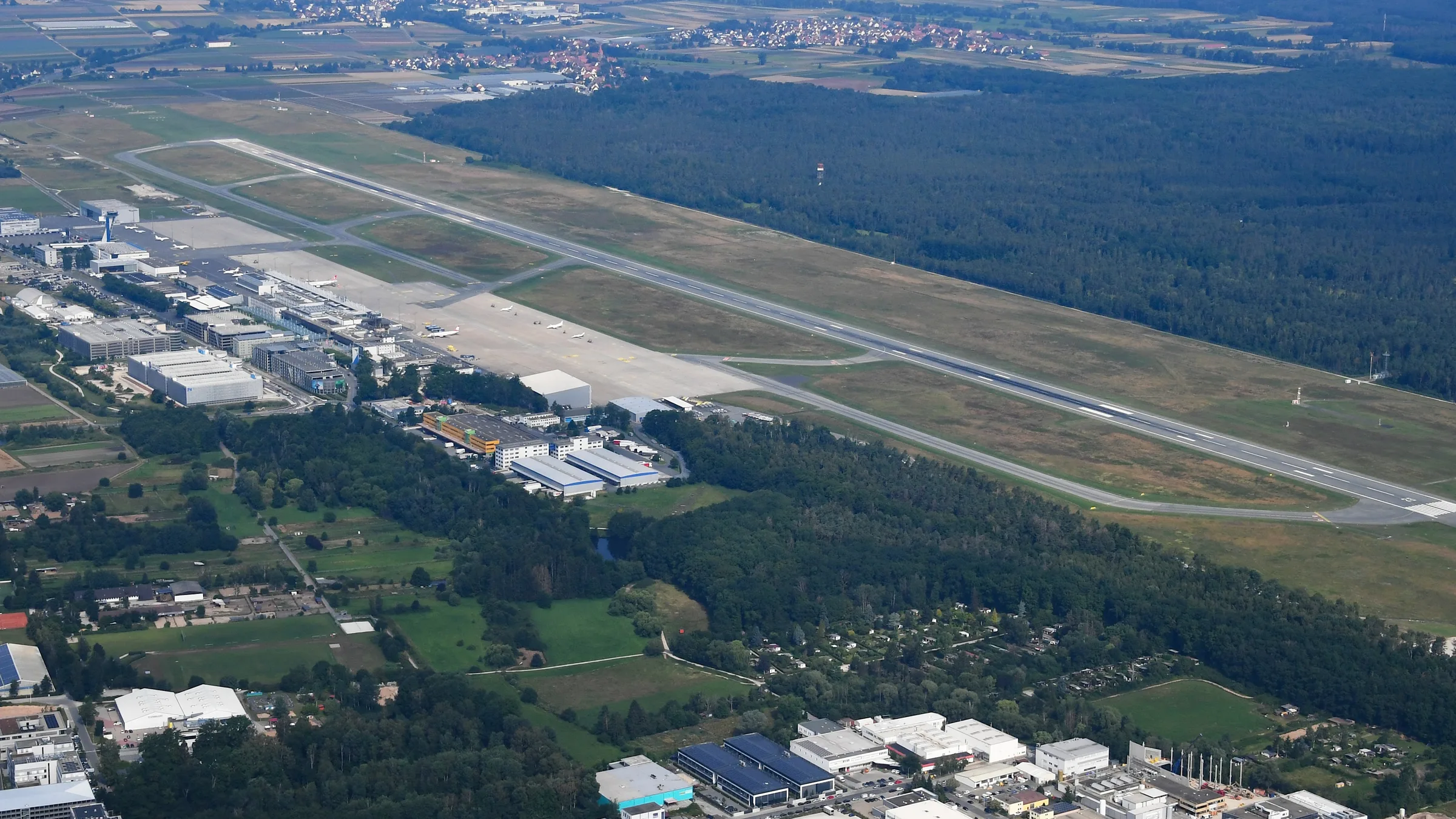
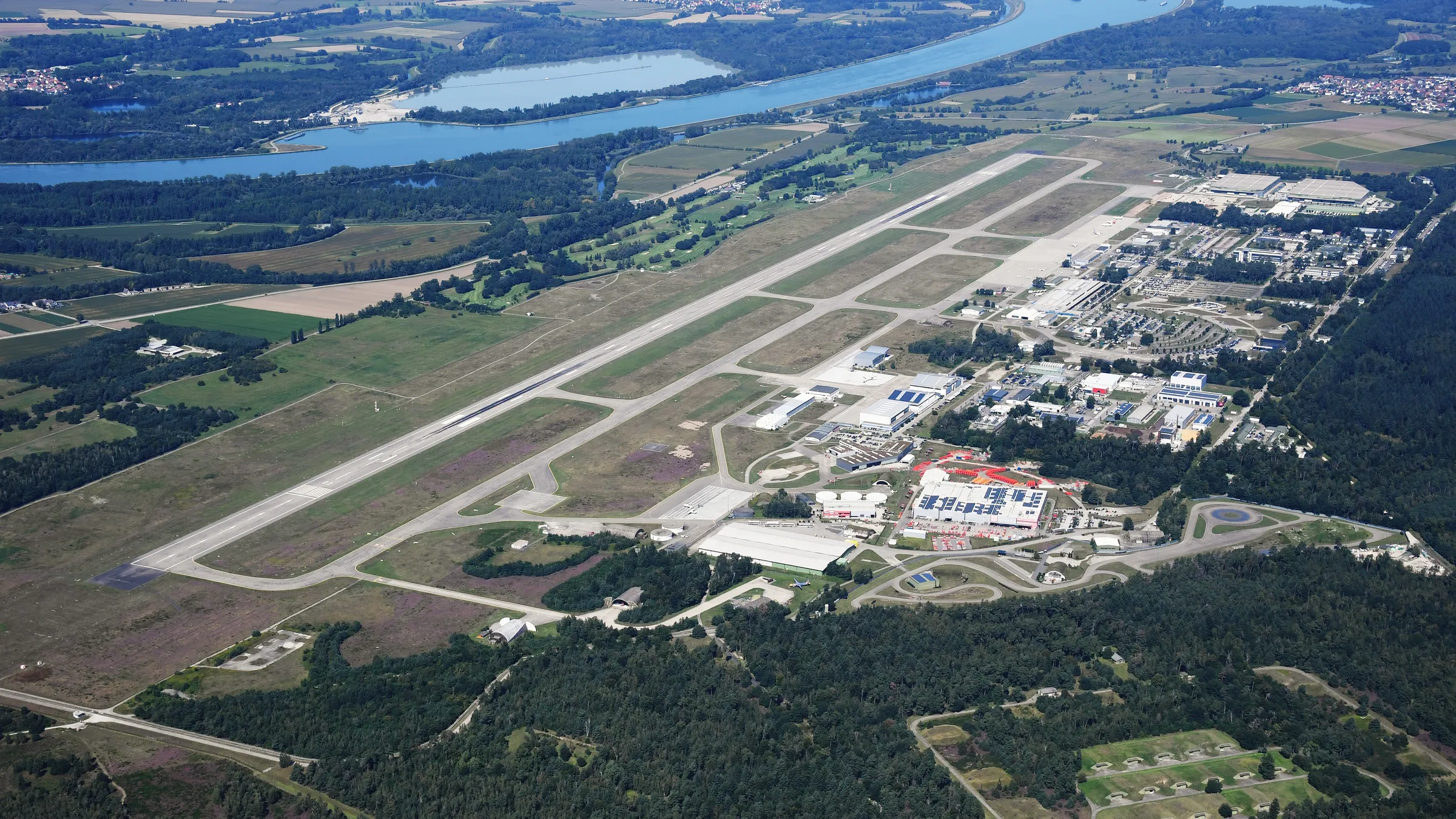
The distance is the whole character of this airport. Munich Airport was built on open land near Freising in 1992, and everything about arriving here follows from being 28.5 km out: there is no walking away from it, no short taxi hop, and no cheap improvisation if a plan falls through at midnight. It is the widest gap between any German hub and the city it serves.
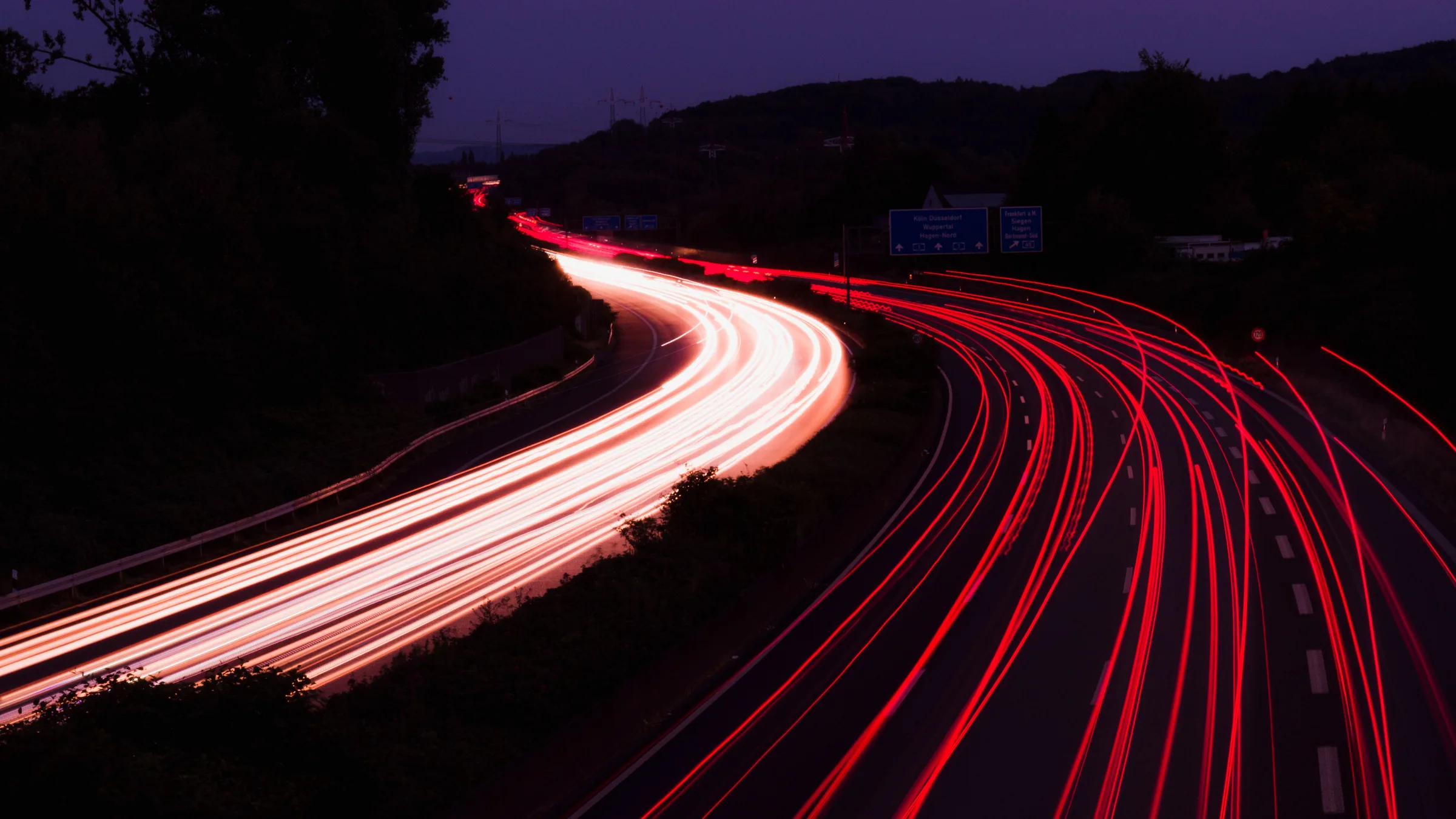
Road access is the A92 from the Neufahrn interchange, which feeds off the A9 — the Munich–Nuremberg trunk. The airport has its own exit, and in free-flowing conditions the run into the city is around forty minutes. In the morning and evening peaks it is materially longer, which is why any pickup here is timed from your actual landing rather than your scheduled one.
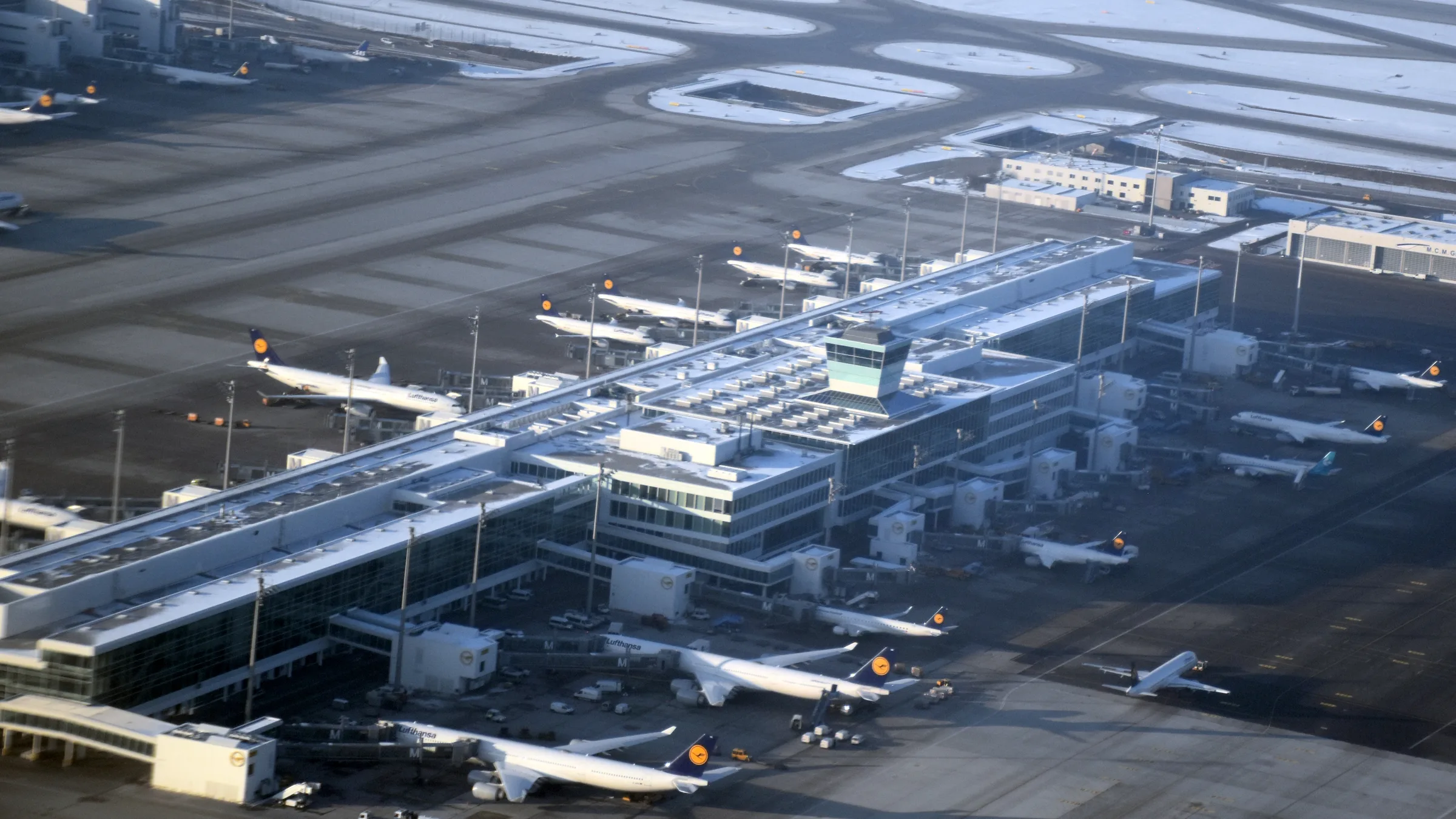
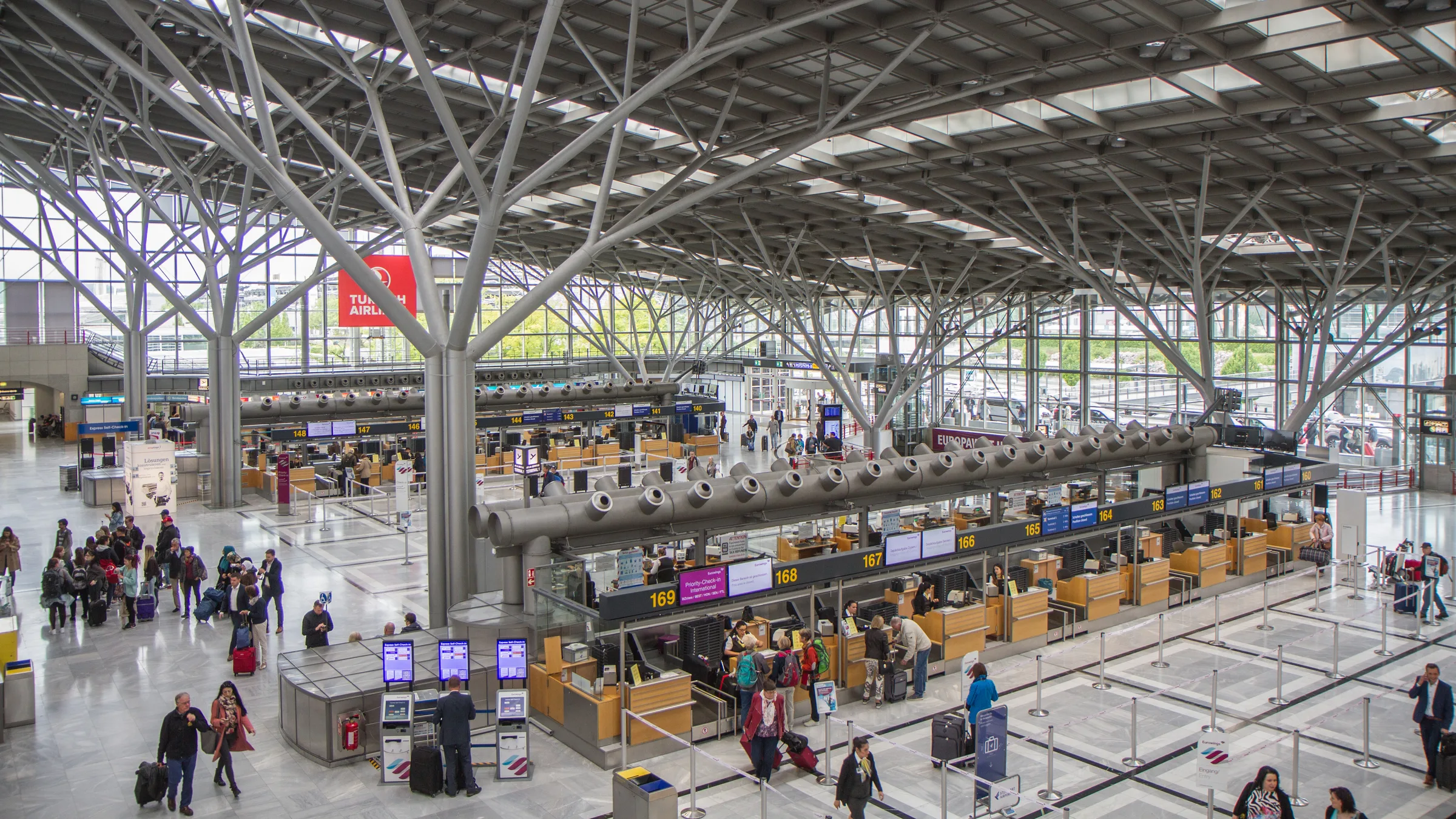
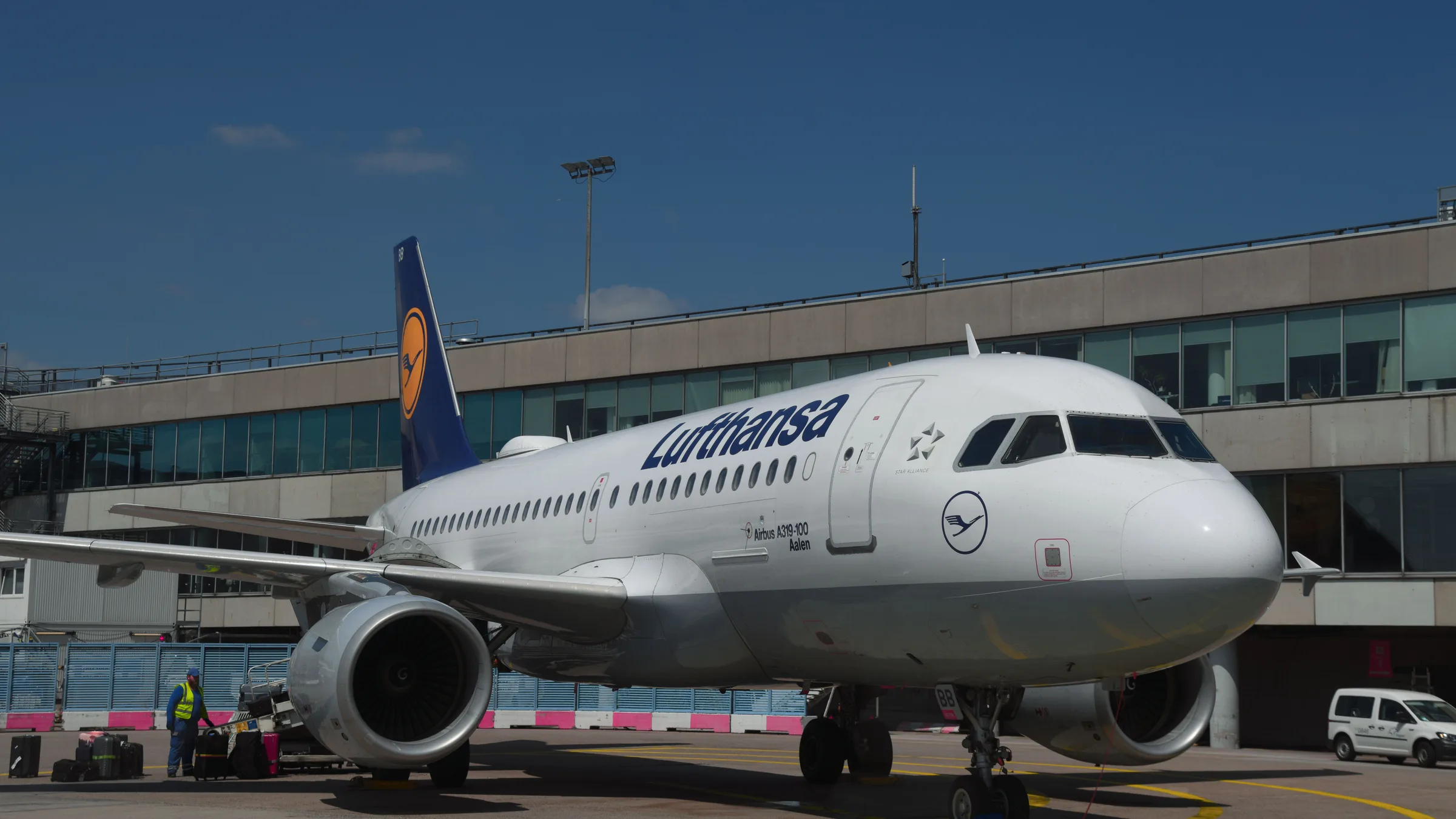
There are two passenger terminals. Terminal 1 handles carriers outside Star Alliance and is split into modules A to E, each with its own arrivals area. Terminal 2, opened in 2003, is Lufthansa and its Star Alliance partners, with a midfield satellite added in 2016 and reached by an underground people mover. Terminal 1’s modules matter more than the terminal number: being met at the wrong end of a five-module building is a walk with your luggage.
Munich is a hub in the full sense — a long-haul connecting airport with a large transfer population, not just a gateway to a city. That shows in what people book from it. A substantial share of journeys from this terminal do not go to Munich at all: they go to the Alps, to the lakes, into Austria, or to a company address somewhere in the Bavarian industrial belt.
The S-Bahn runs from beneath the airport into the city and is the right answer for one person with a cabin bag and no deadline, though it takes the better part of three quarters of an hour to reach the centre and calls at a long list of stations first. The Lufthansa Express Bus is quicker to a few specific points and worth checking if one of them is where you are going.
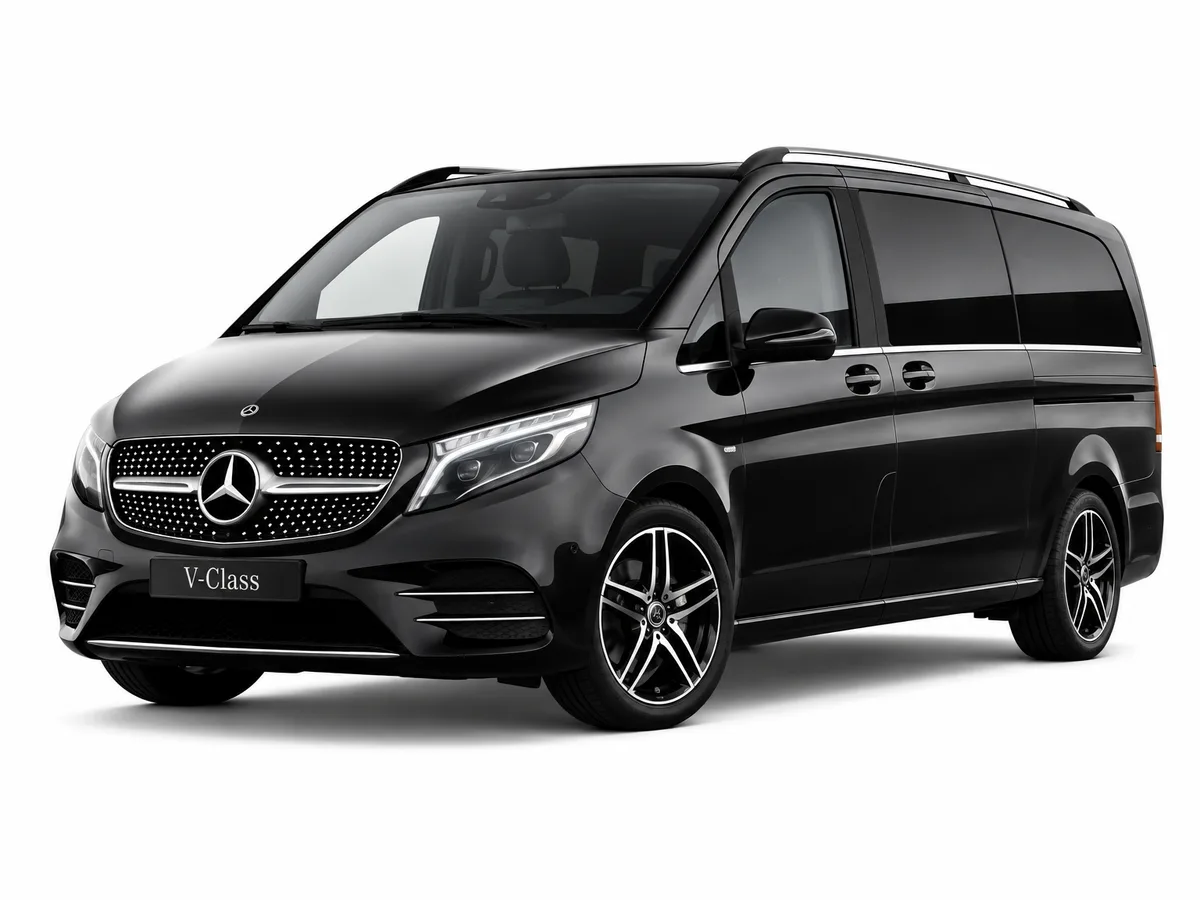
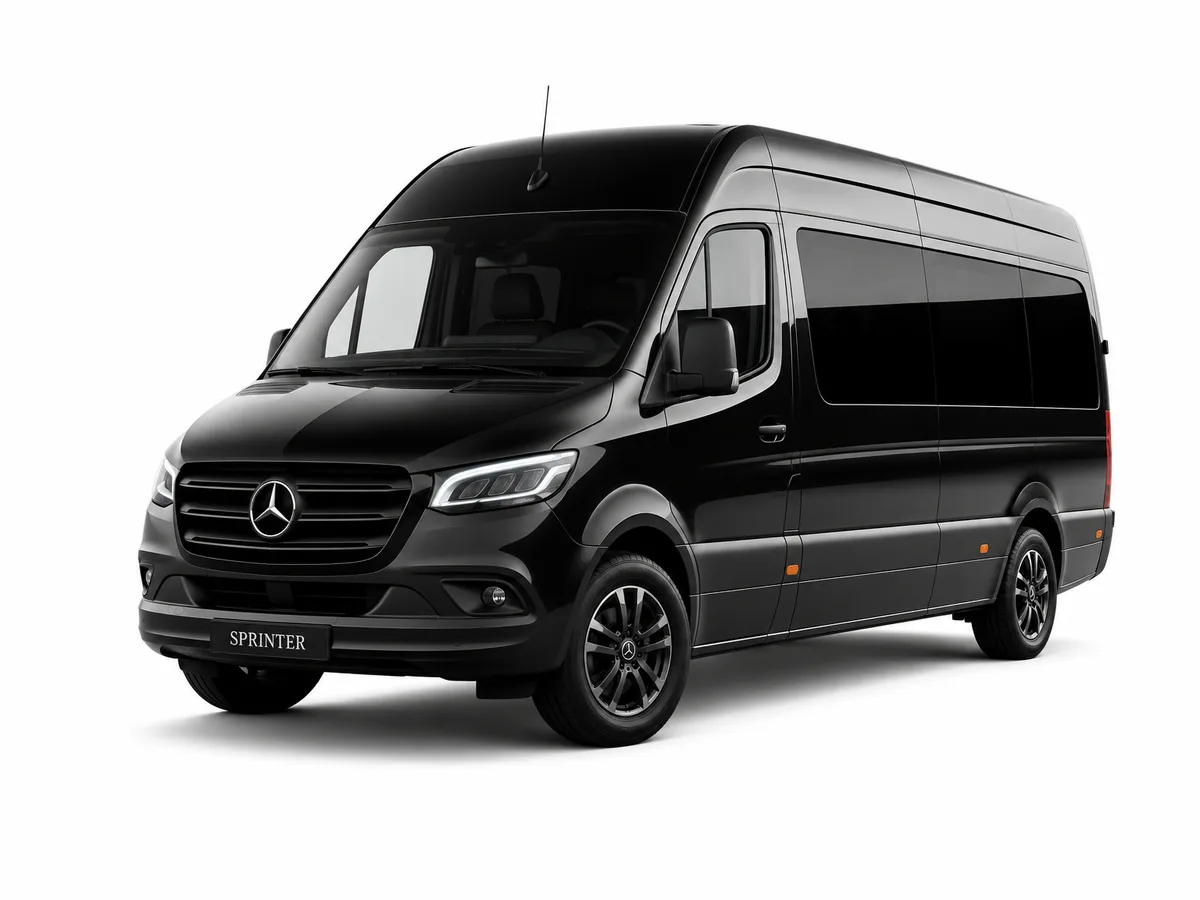
Where a car earns its price is everything the S-Bahn is not built for. The first departure of the day and the last arrival fall outside it. Three or four people paying per head on rail exceed the cost of one vehicle. And luggage that has to be lifted on and off a train for forty-five minutes stops being a minor consideration somewhere around the second case.
The largest category is destinations that are not central Munich at all. Garmisch-Partenkirchen, the Bavarian lakes, the Allgäu, Salzburg and the Austrian Tyrol are all regular bookings from this airport and none is a simple rail journey from it. Neither is a company address in the northern suburbs that the S-Bahn passes without stopping — and given how much of Bavaria’s industry sits outside the city ring, that is a great many addresses.
Your driver meets you inside the arrivals area of the terminal your flight lands at, holding a name sign. At Terminal 1 we also confirm the module: A to E each have their own arrivals area, so naming the terminal alone is not enough at this airport and a driver in the wrong module is a genuine walk. The terminal and module come from the flight number you give at booking rather than from your itinerary. Flights are tracked, and 60 minutes of free waiting after touchdown covers passport control and baggage reclaim — useful at a long-haul hub where non-Schengen arrivals can queue.