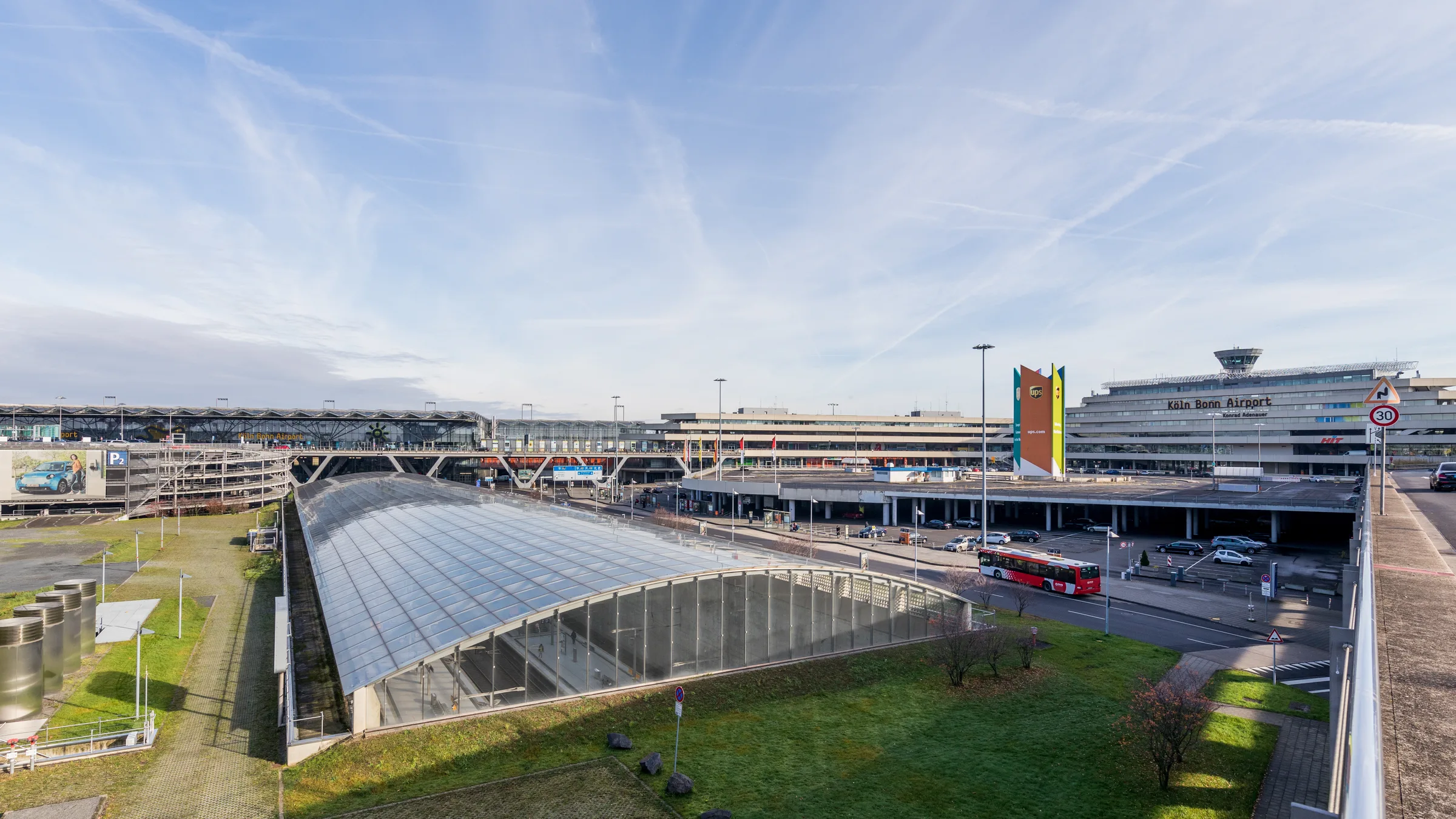
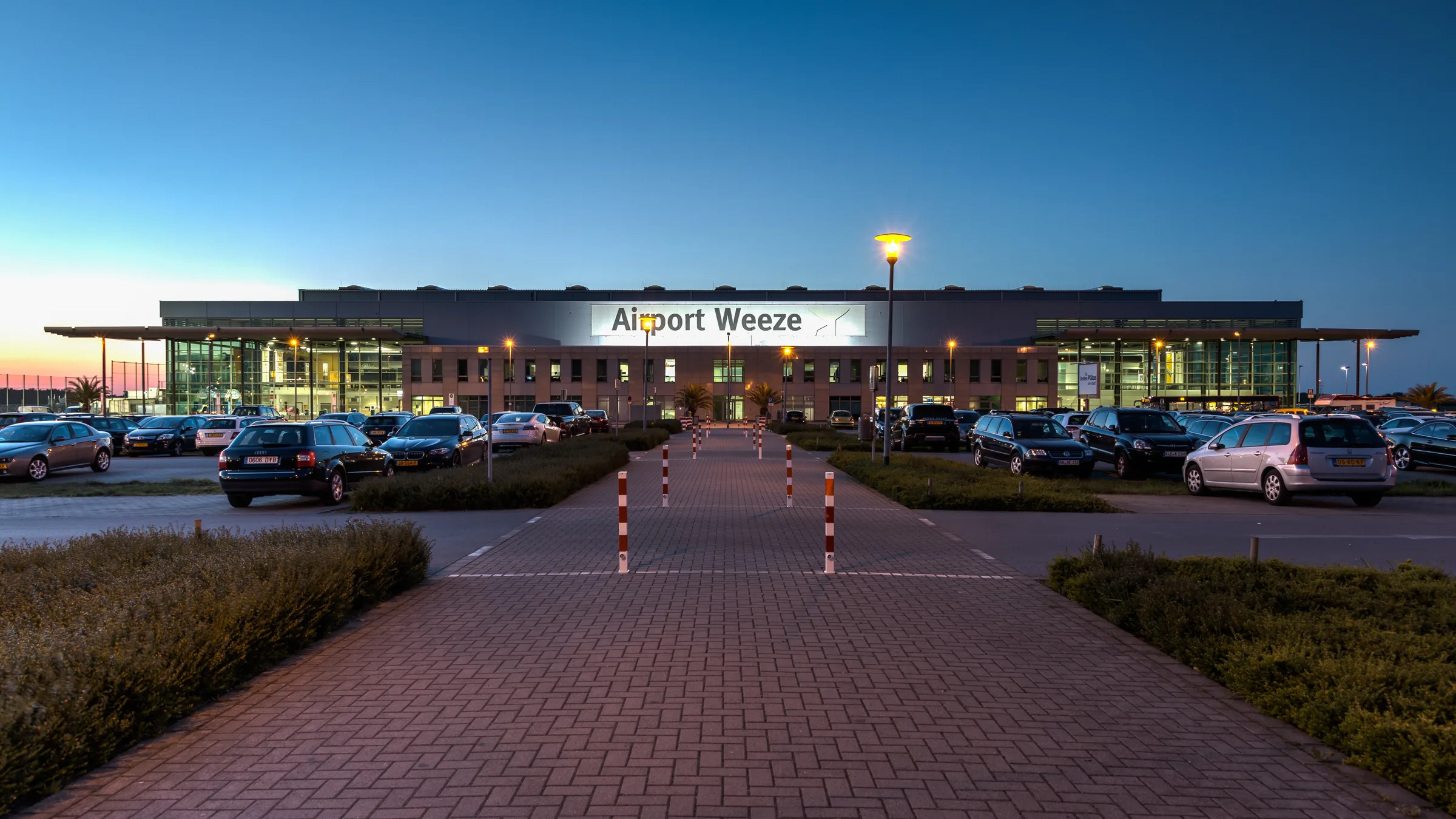
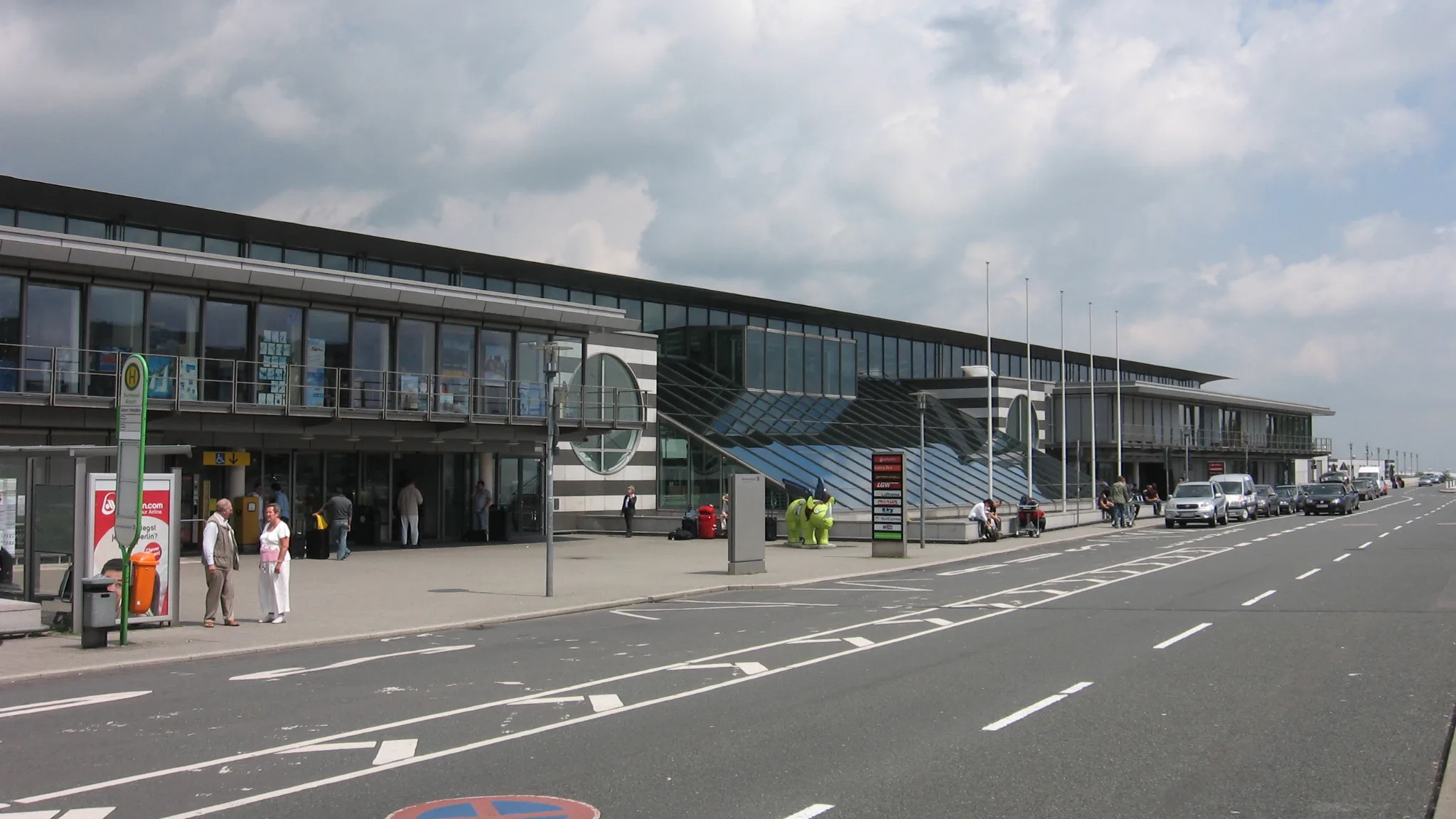
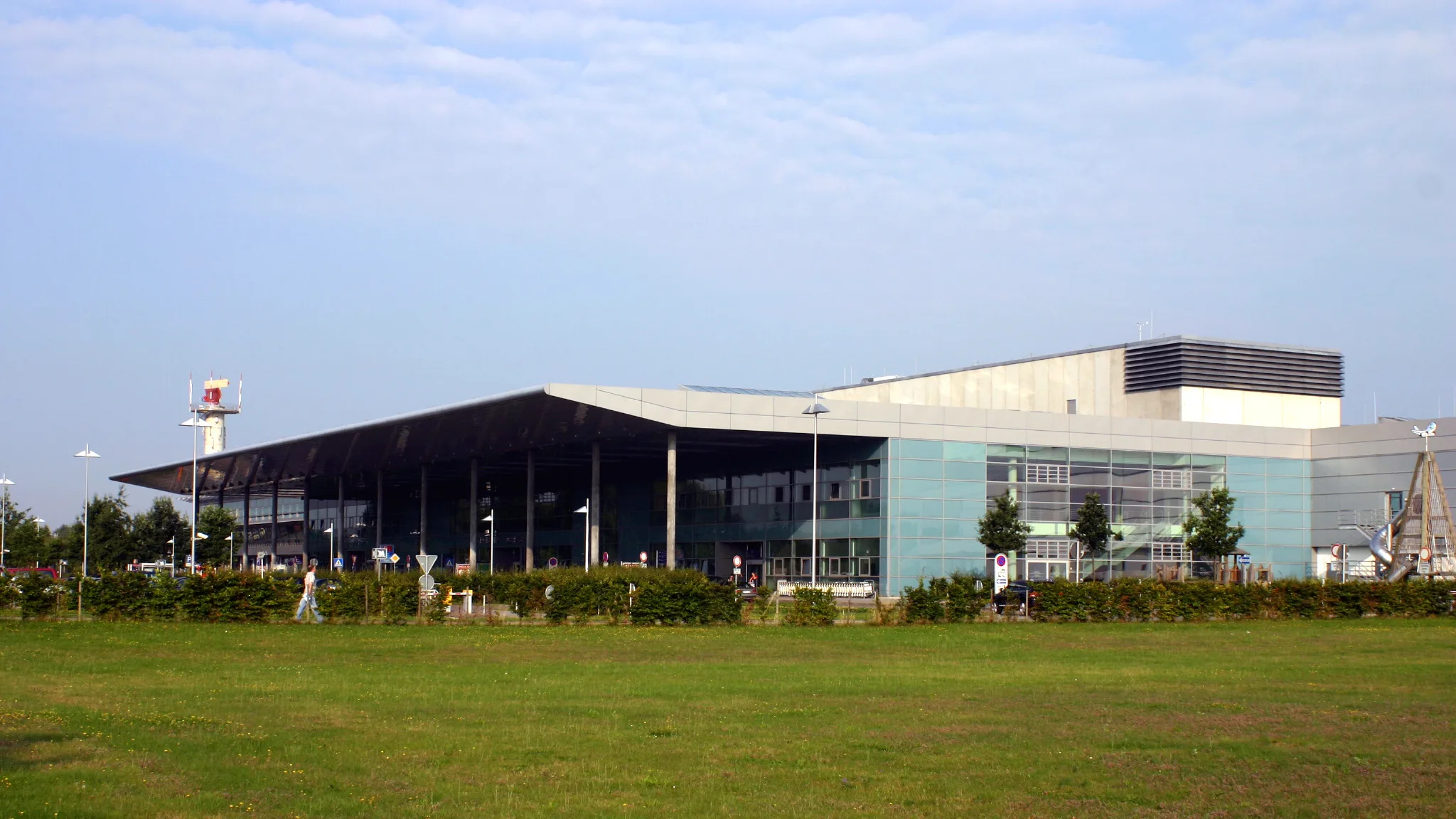
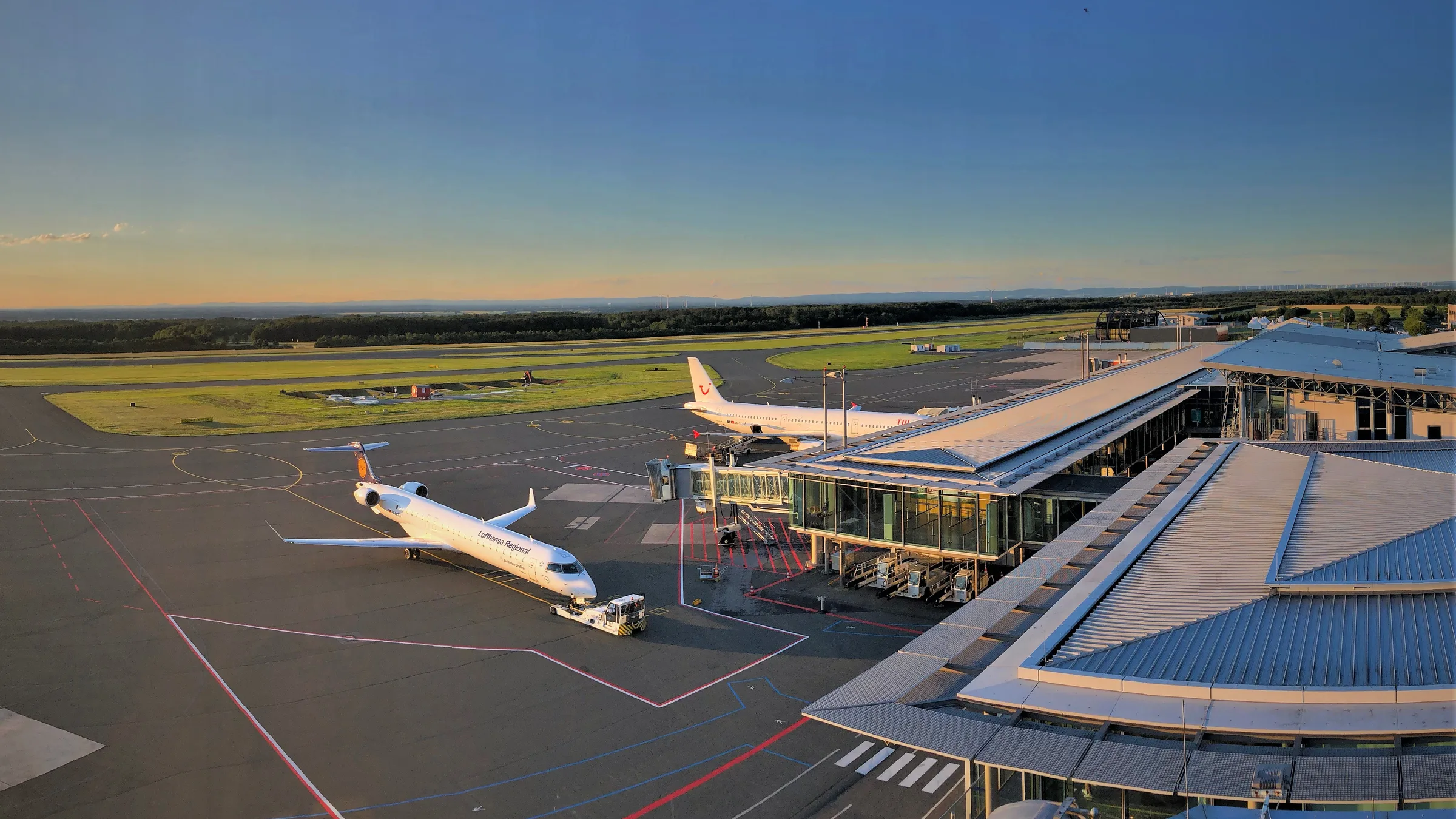
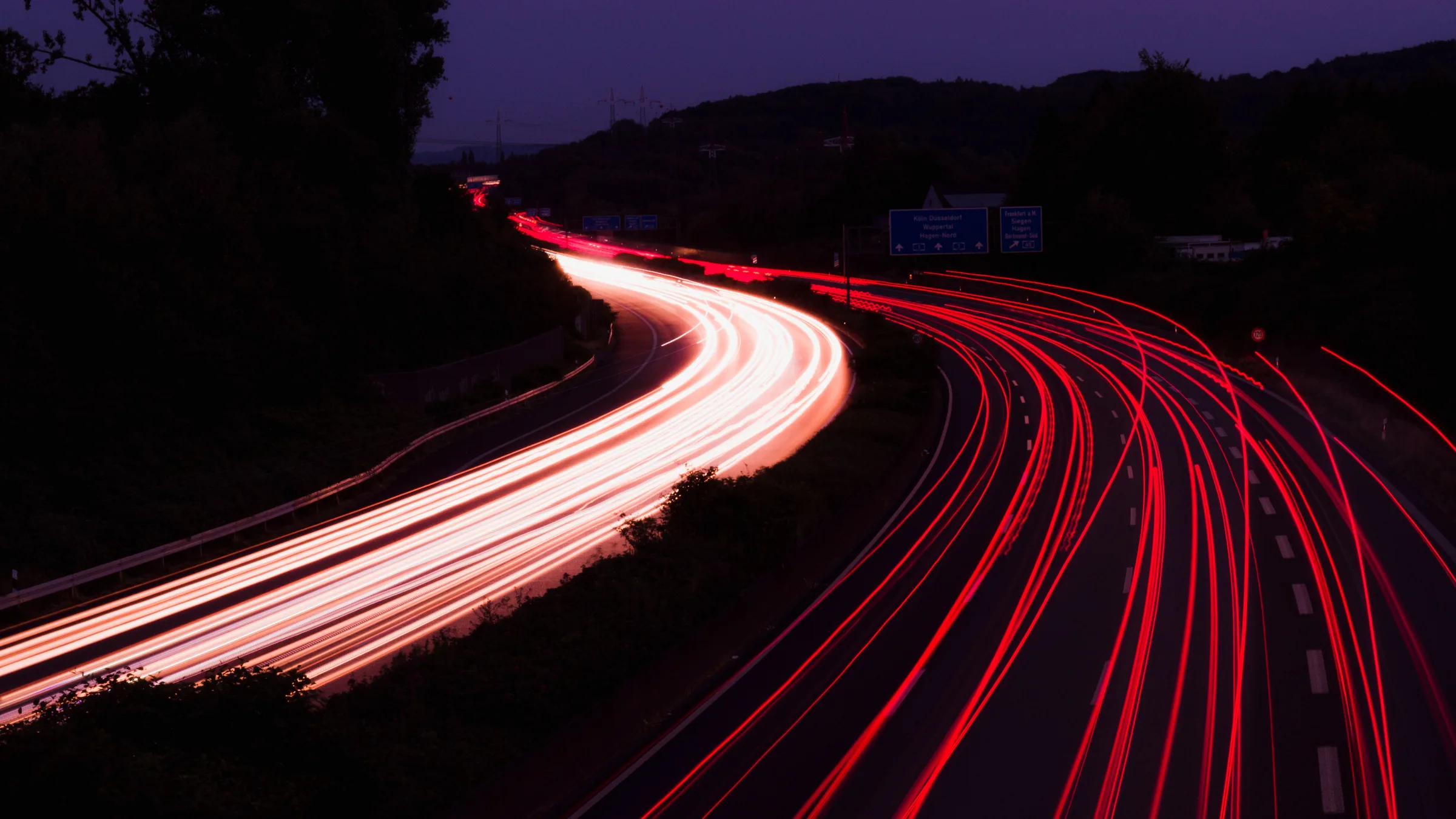
The airport sits about 8 km north of the city on the A44, with the A52 and A3 close by — which puts an unusual number of large cities within an hour’s drive. Essen, Duisburg, Wuppertal, Krefeld, Mönchengladbach and Cologne are all routine transfers rather than long-distance ones. No other German airport has this much population inside its first hour of road.
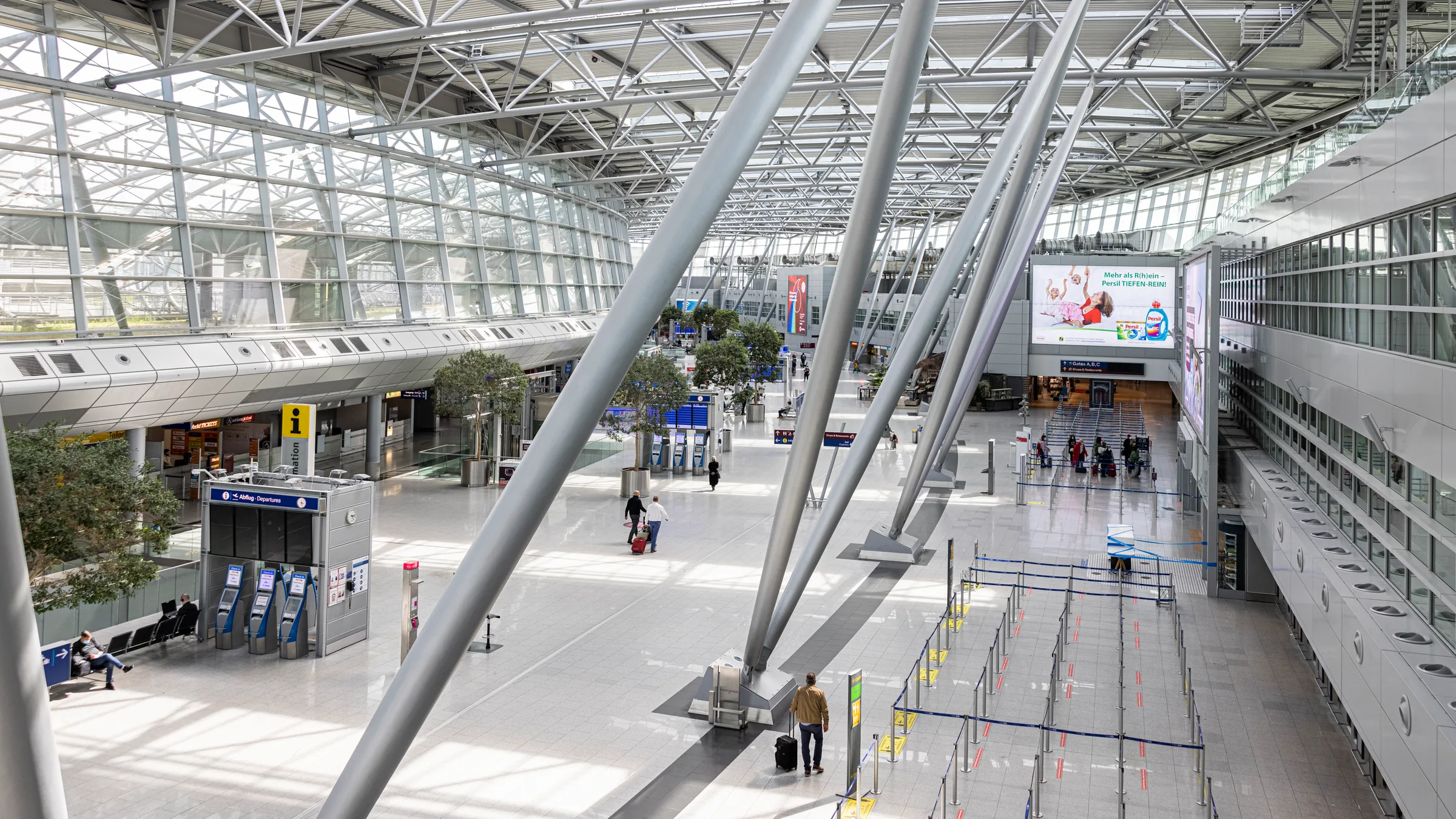
Terminals A, B and C share a single building, so moving between them is a short walk rather than a shuttle ride. A handles Lufthansa, Eurowings and Star Alliance, B is domestic and Schengen, and C takes non-Schengen long-haul. For an arriving passenger this is the single most useful fact about DUS: there is effectively one place to be met, which is not true of Frankfurt, Munich or Berlin.
Düsseldorf is a business airport before it is a holiday one. The city is the centre of Germany’s Japanese and Korean business communities, the state capital of North Rhine-Westphalia, and the host of some of the largest trade fairs in Europe — drupa, K, Boot and MEDICA among them. That mix produces a lot of short-notice, single-passenger, punctuality-critical travel, and it is why the arrivals hall is busiest on a Monday morning and a Thursday evening rather than at the weekend.
The Rhine is the other piece of geography that matters. It splits the region, and the crossings are the bottleneck: a destination that looks fifteen kilometres away on a map can sit on the far side of a bridge that is the reason your journey took forty minutes instead of twenty. Any honest estimate from this airport has to account for which bank you are going to.
Düsseldorf has a rail station connected to the terminals by the SkyTrain, and for a solo traveller heading into central Düsseldorf that is usually the sensible choice. There is also an S-Bahn stop, and the combination puts the Hauptbahnhof within a short and cheap journey. If that is your trip, take it.
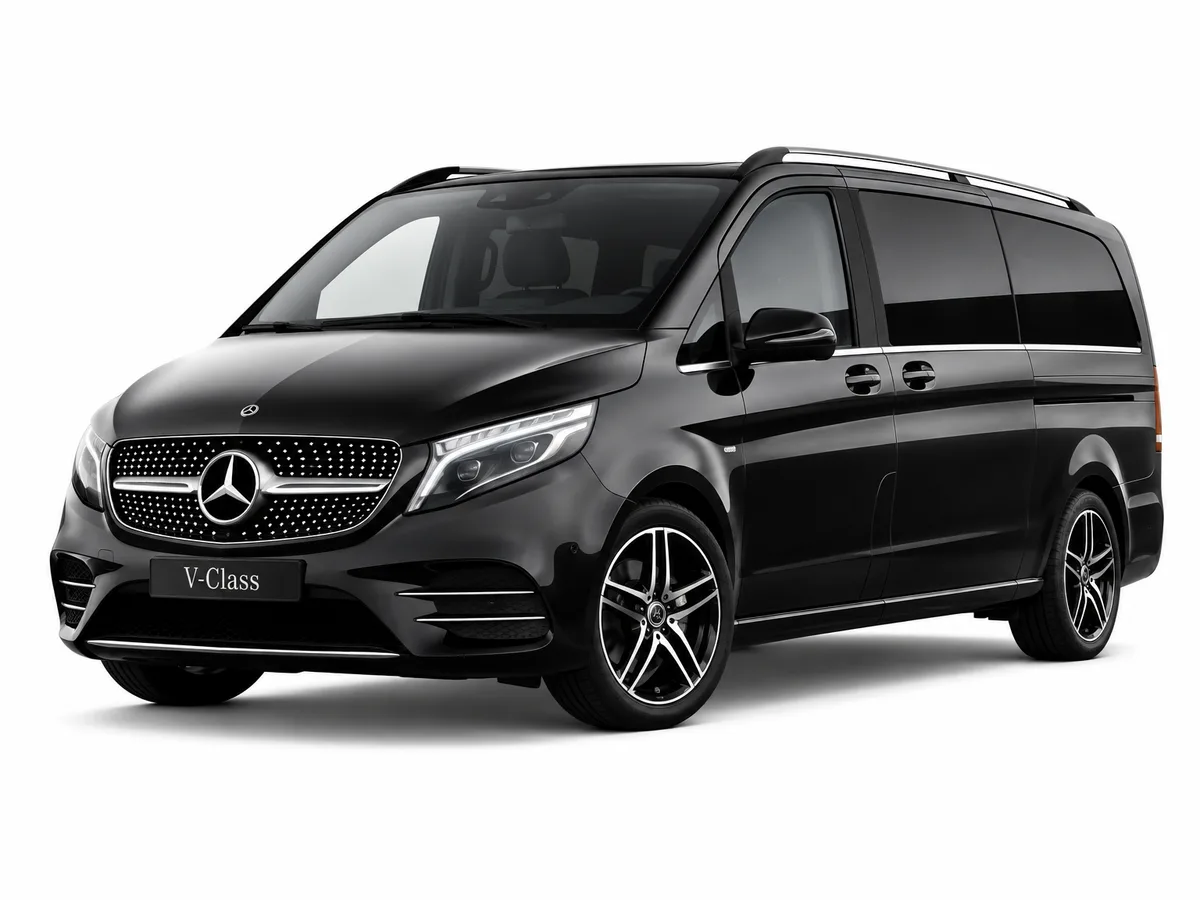
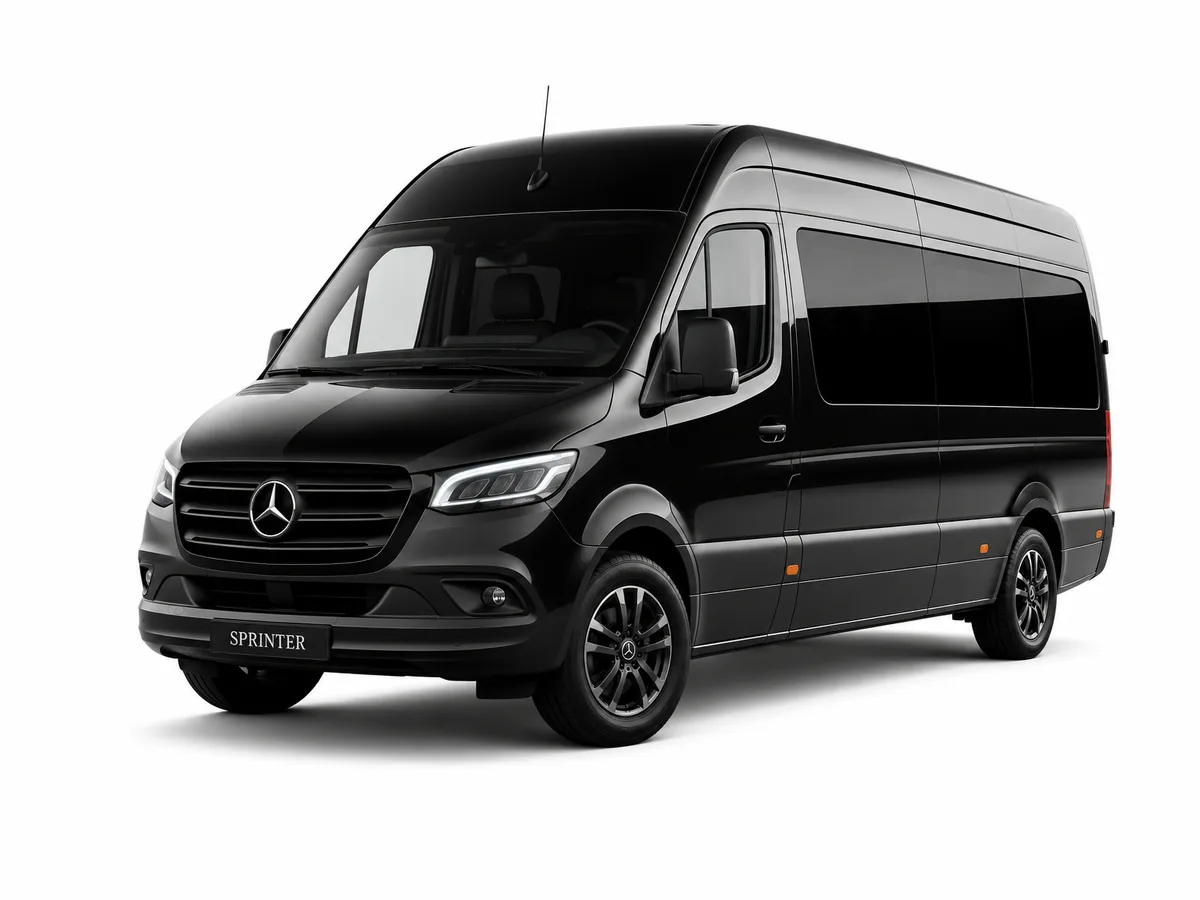
Where a private transfer changes the arithmetic is the rest of the Rhine-Ruhr. Journeys that look short on a map often need two or three changes by rail, because the region is a dense mesh of separate city networks rather than one system radiating from a centre. Twenty kilometres across the Ruhr can cross three transport authorities. A direct car covers it in one leg with the luggage in the boot.
Trade fair weeks are the second case and the sharper one. Messe Düsseldorf sits north of the airport, and during drupa or MEDICA the whole regional system is carrying a load it is not sized for — at exactly the hours when everyone needs it. A vehicle booked in advance at an agreed price is immune to both the queue and the surge.
Terminals A, B and C sit inside one building at Düsseldorf, so there is a single arrivals area to meet in and no terminal to get wrong — a genuine advantage over every other major German hub. Your driver waits there with a name sign, having timed their arrival from your actual landing rather than your scheduled one. Flight tracking is automatic from the number you give at booking, and 60 minutes of free waiting after touchdown covers passport control and baggage reclaim on a normal day.