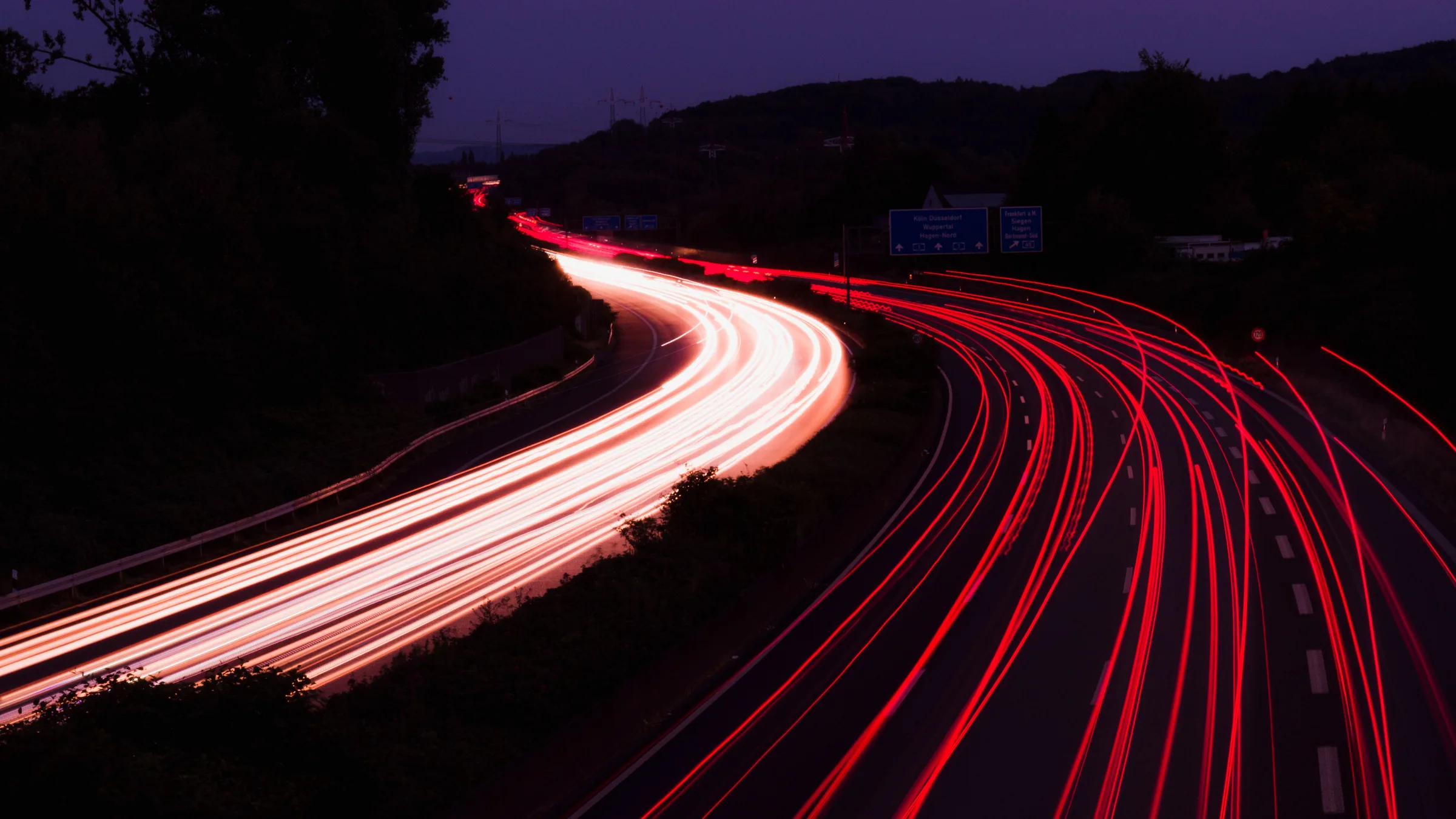
A car does Eindhoven to Düsseldorf in roughly 1h 22 over 112 km. The drive is 112 km against 94 km as the crow flies, which is the ordinary shape of a German motorway journey. The difference from every other way of making the trip is that it starts at your address and ends at theirs.
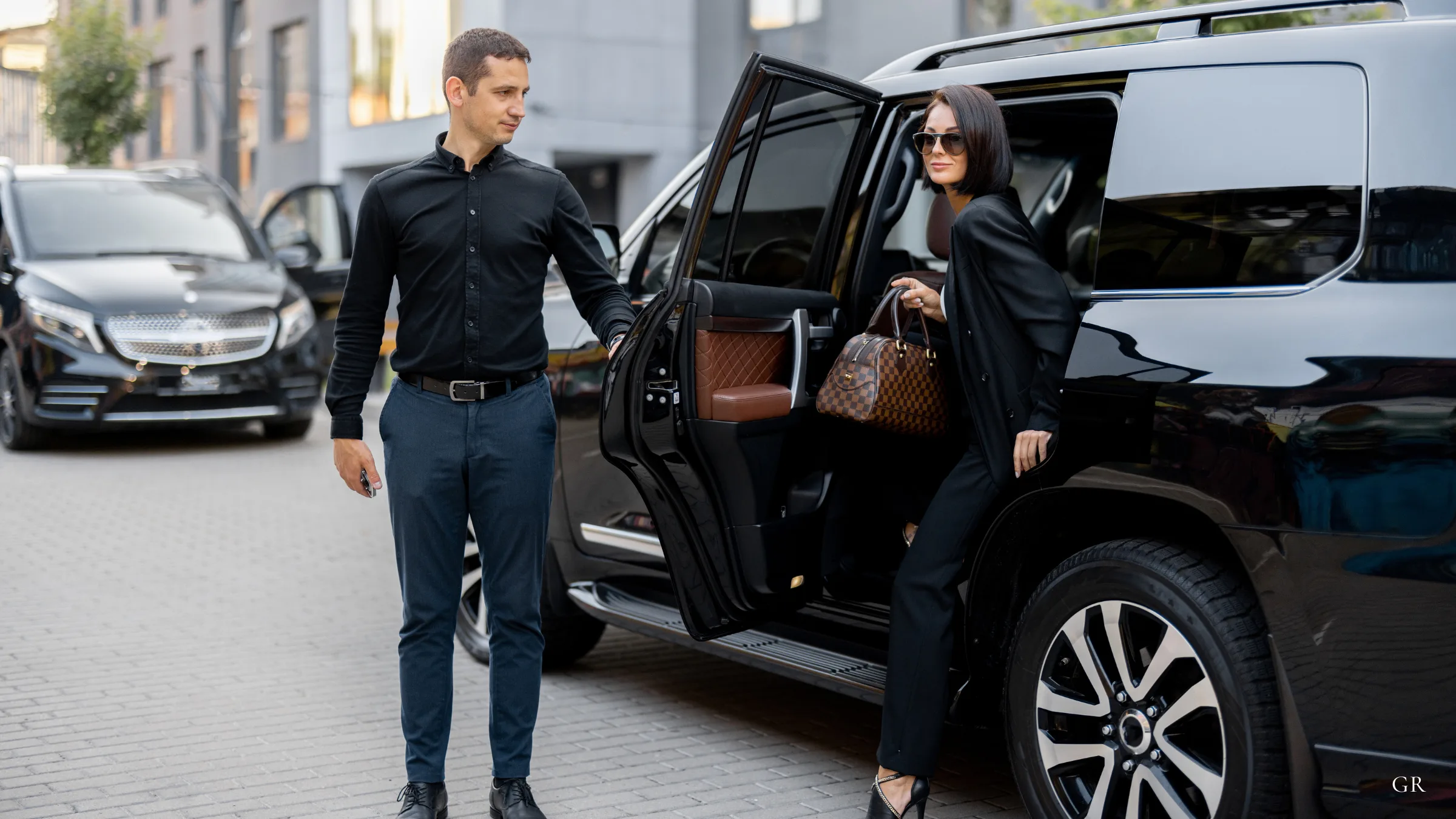
The fare is fixed when you book, so a closed lane or a slow stretch costs you time and not money — there is no meter and no waiting charge. Pickup is any address in Eindhoven: a home, a hotel, an office, a venue. Drop-off is the exact address in Düsseldorf, not the nearest station to it. The route crosses from Noord-Brabant into Nordrhein-Westfalen; the price covers the whole of it including tolls.
One vehicle the whole way, one price, and a departure time you choose rather than one a timetable chooses for you. Journeys this length are mostly booked the same day or the day before, and the car can be at the door within the hour in normal conditions. Arriving by air instead? Düsseldorf Airport Transfers covers every destination we serve from the airport.
Luggage, equipment and the things that do not fit a rack
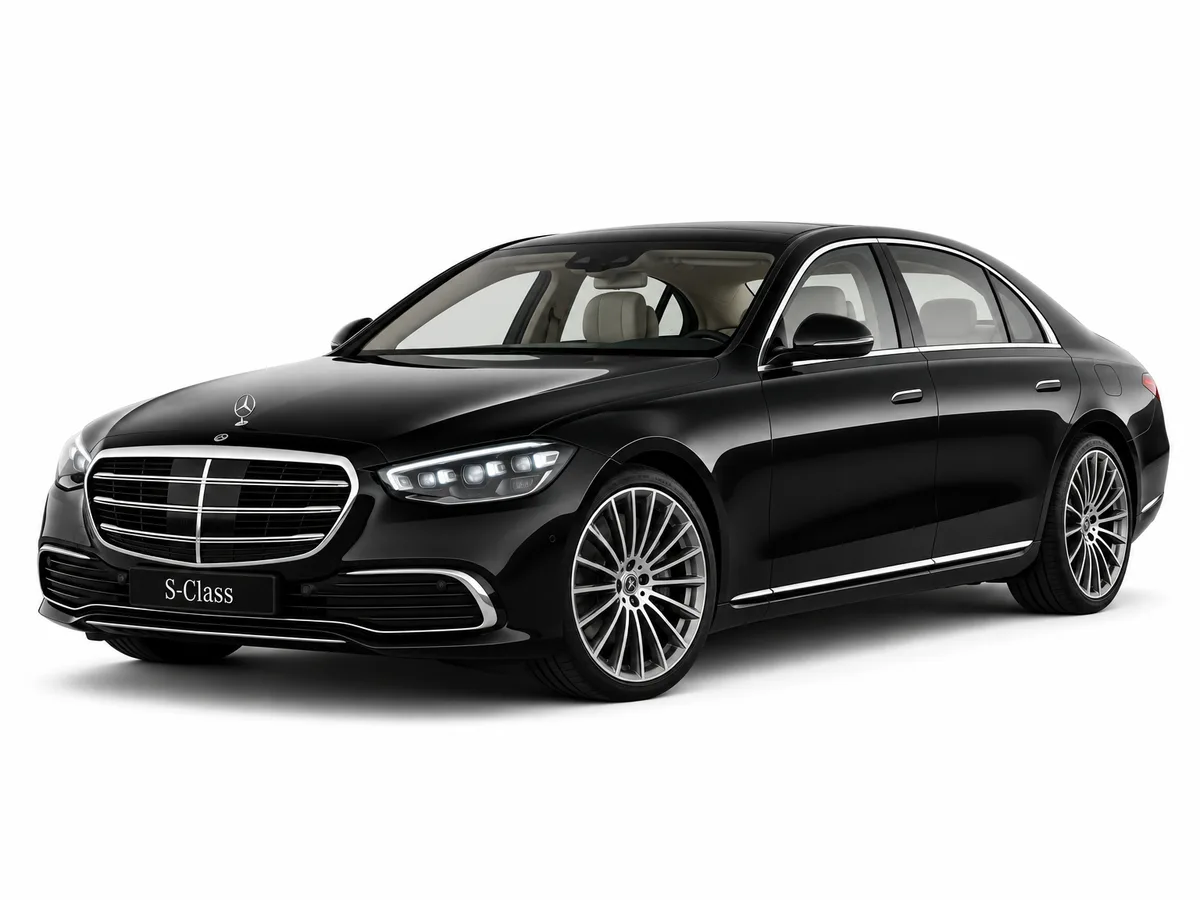
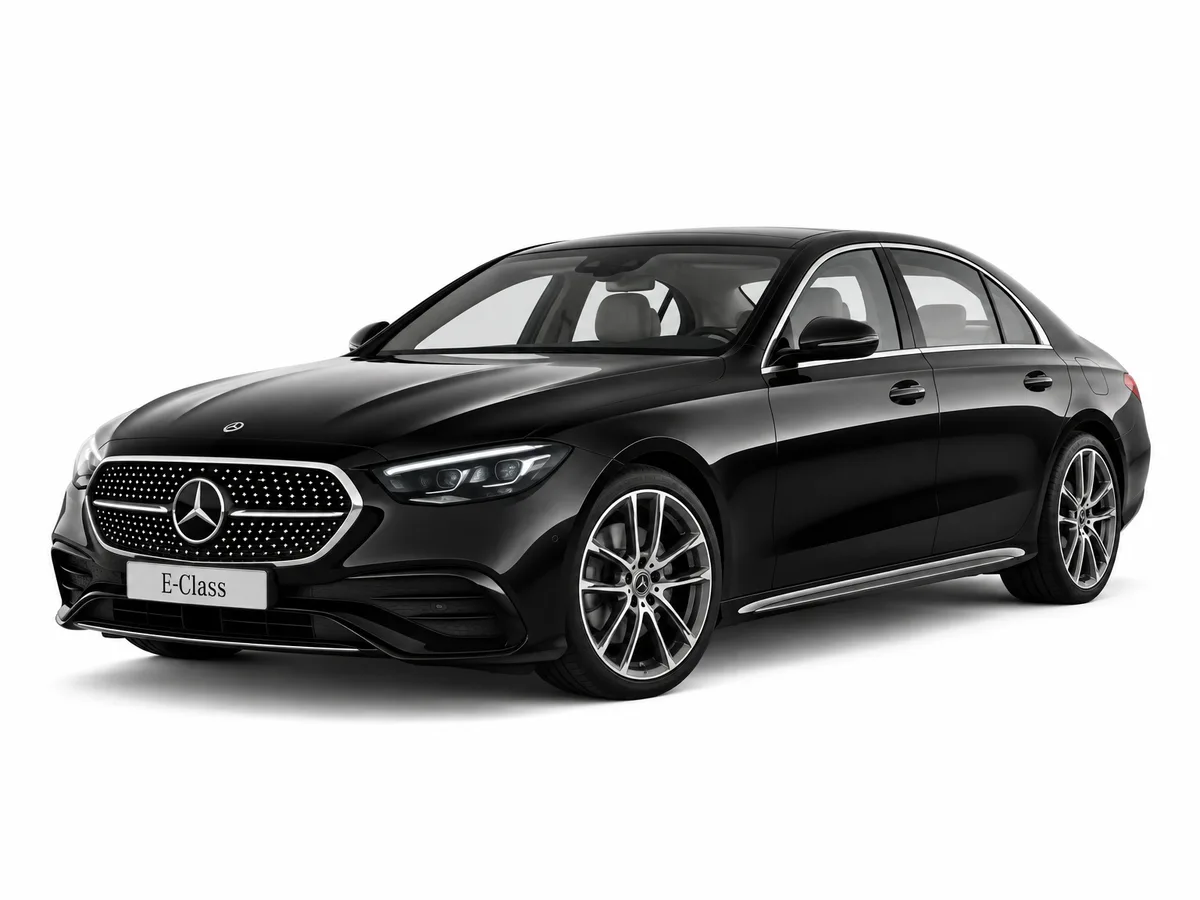
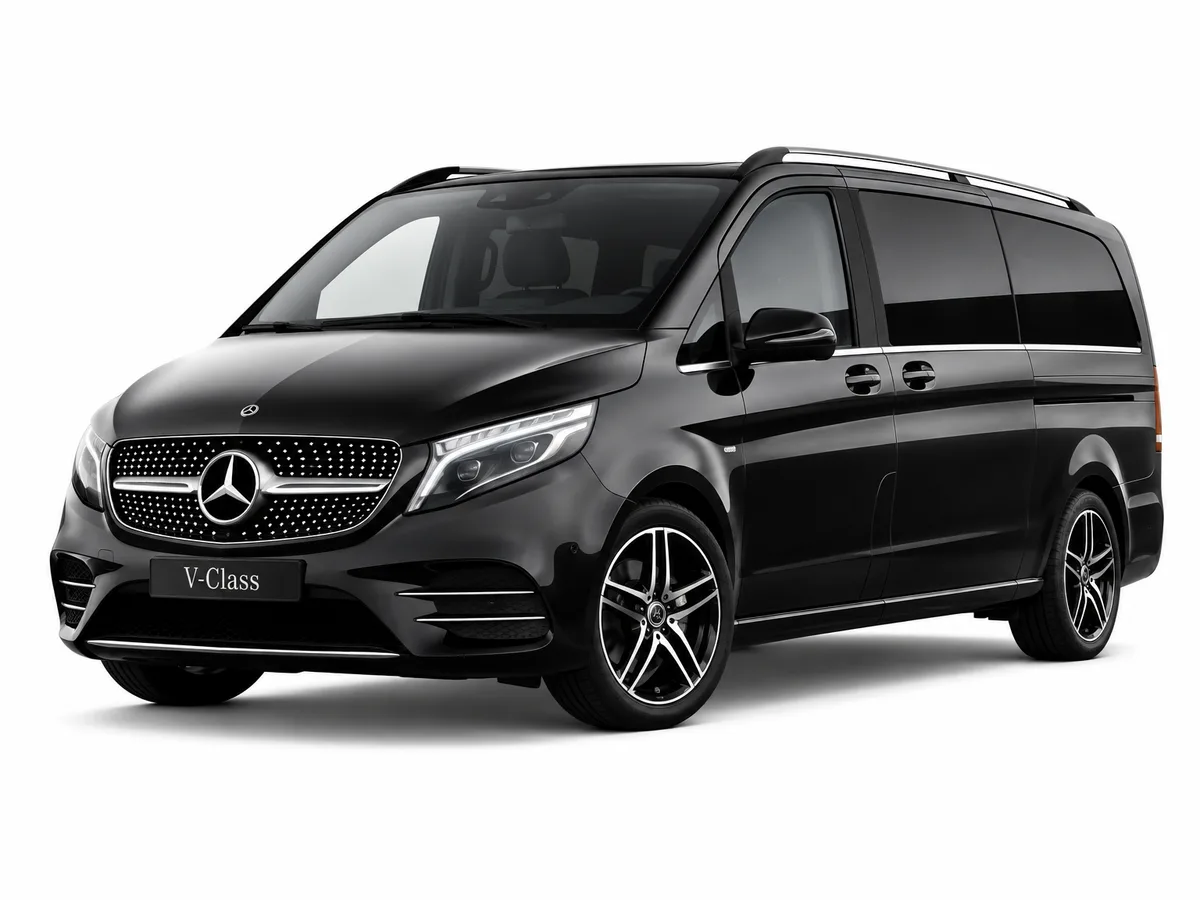
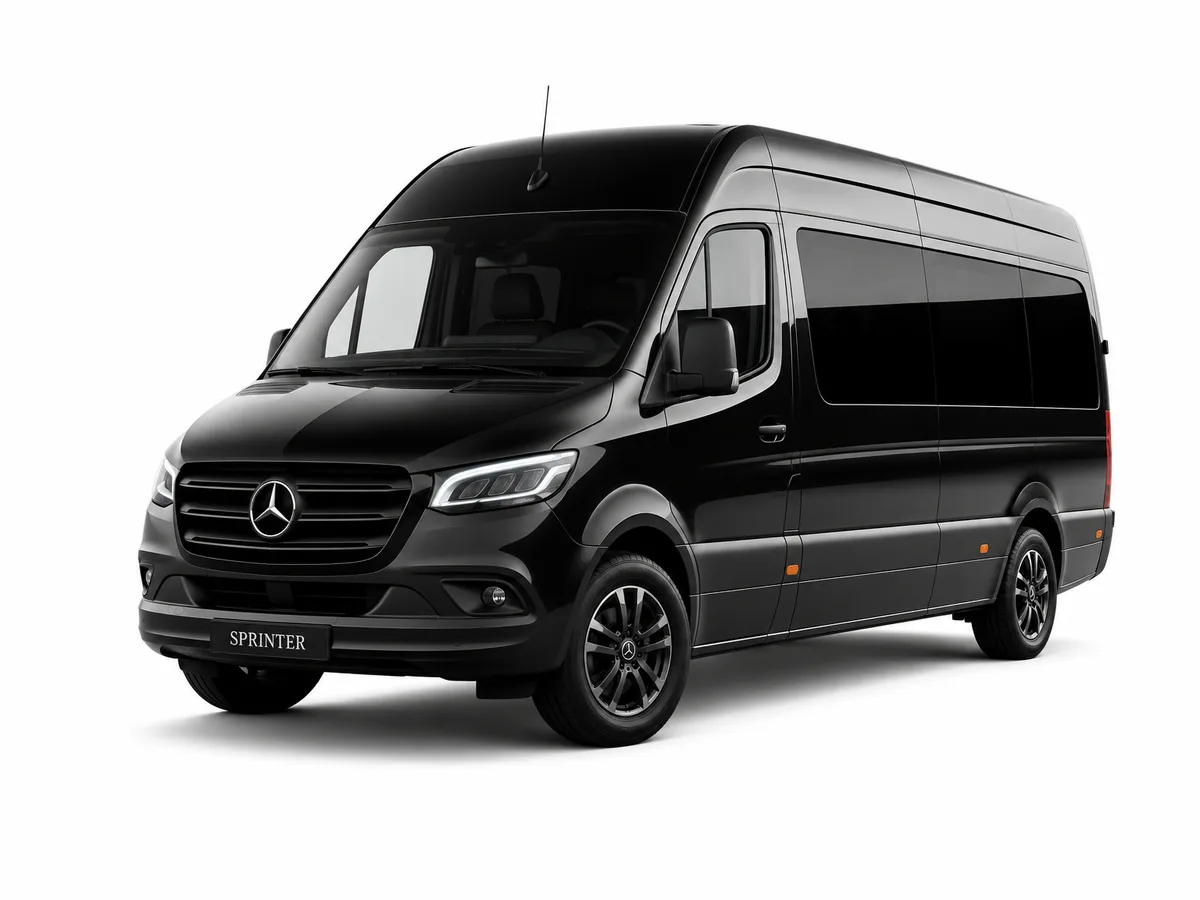
A lot of Eindhoven–Düsseldorf bookings have nothing to do with speed. A saloon takes three large cases, a van seats seven with luggage to match, and a minibus covers a group of up to sixteen. Trade-fair material, instrument cases, camera kit, golf bags, skis and boxed samples travel in the boot rather than being carried the length of a platform and lifted twice. Tell us what is coming at booking and the right vehicle is assigned: a van booked because there are eight bags is a cheaper mistake than a saloon that arrives and cannot take them.
The two journeys a rail ticket does not include
A train time is measured Hauptbahnhof to Hauptbahnhof, and almost nobody starts or finishes at one. The real Eindhoven–Düsseldorf journey by rail is usually three journeys: getting to the station with your bags, the train itself, and getting from the far station to the actual address — the last of which is a taxi at the far end, at a metered price, in a city you may not know. Those two legs are where the published time and the published fare both stop being the whole story. A private car removes them by starting and ending at the addresses instead, which is why the comparison is closer than a timetable makes it look.