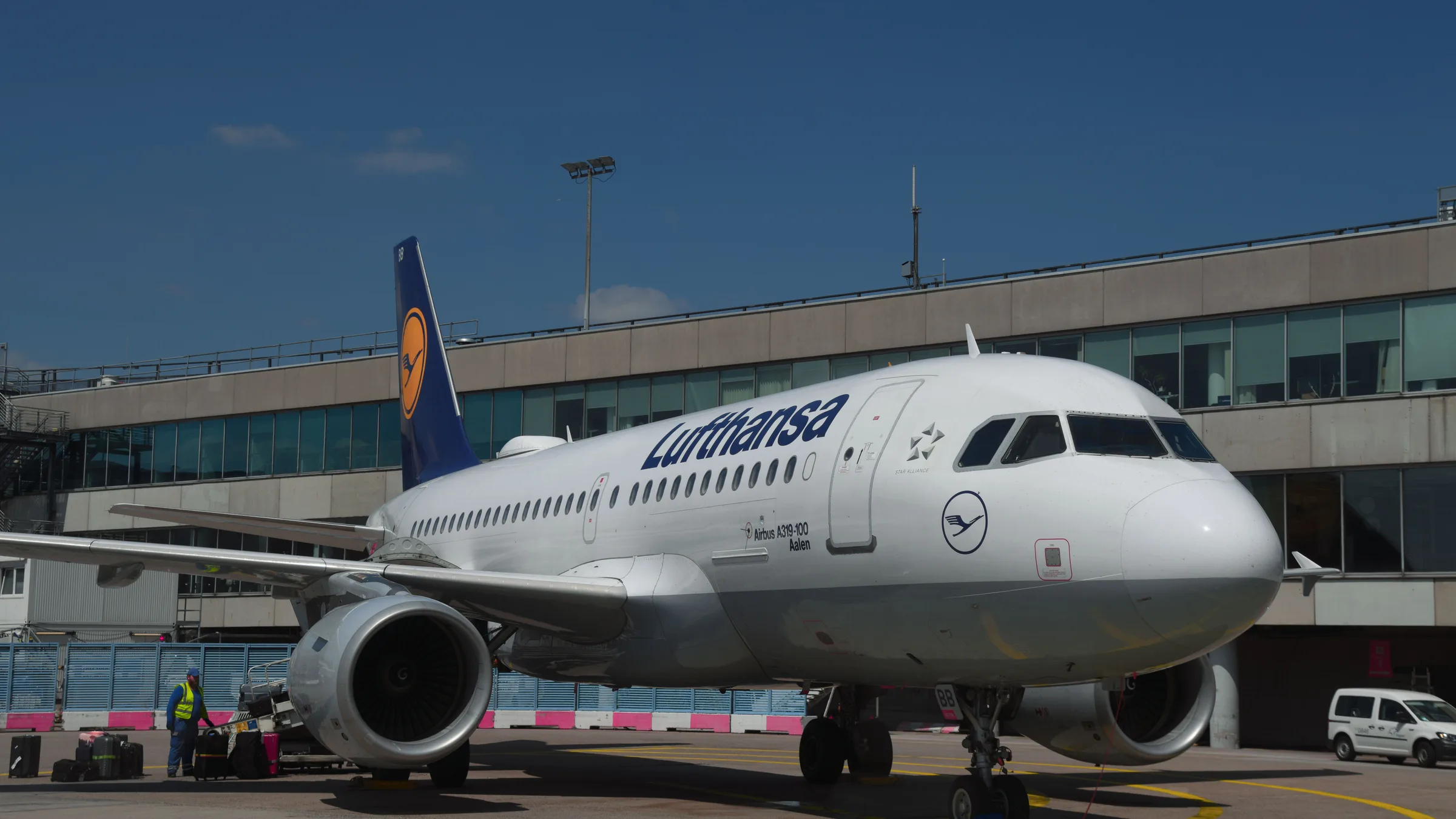
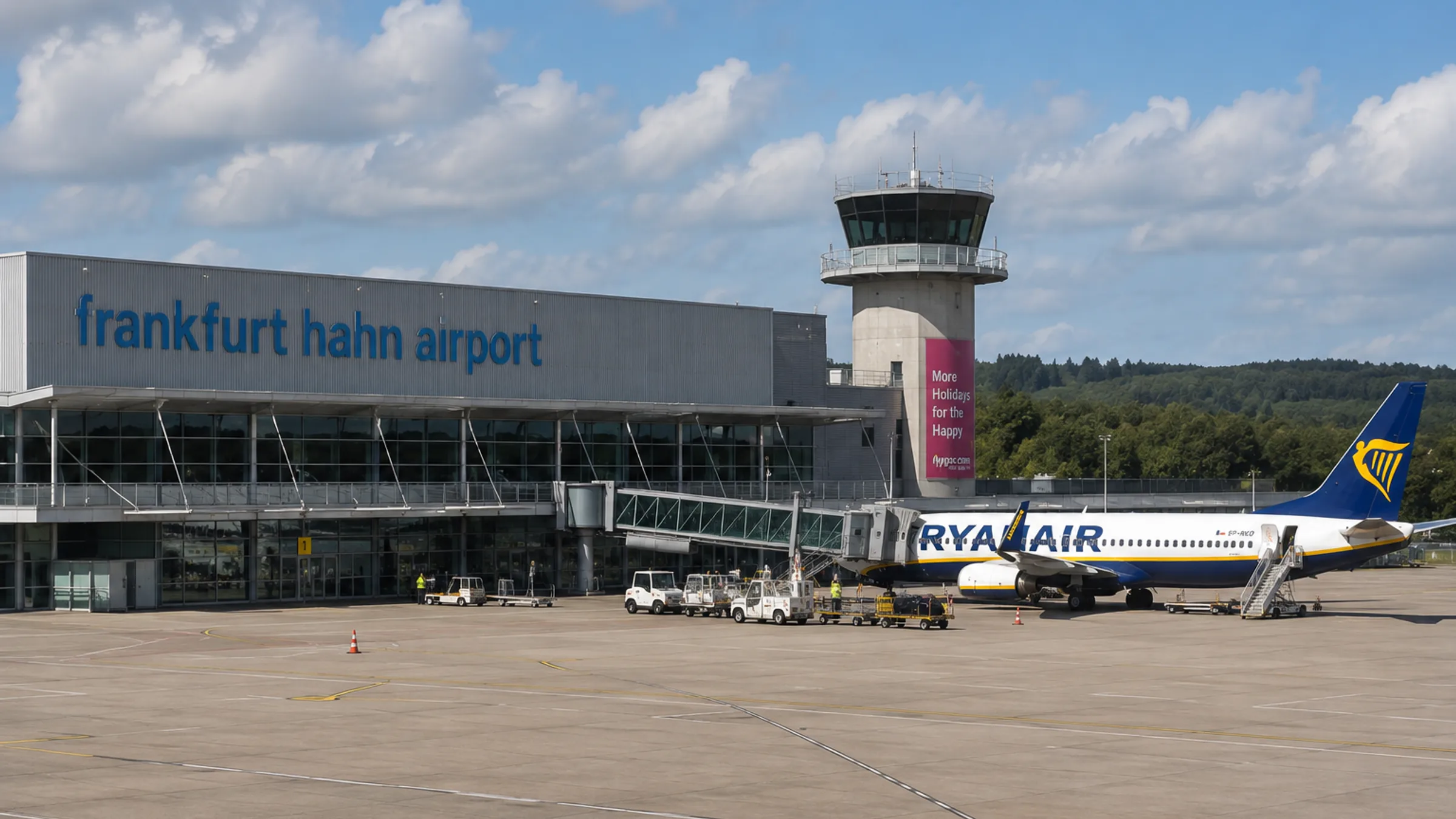
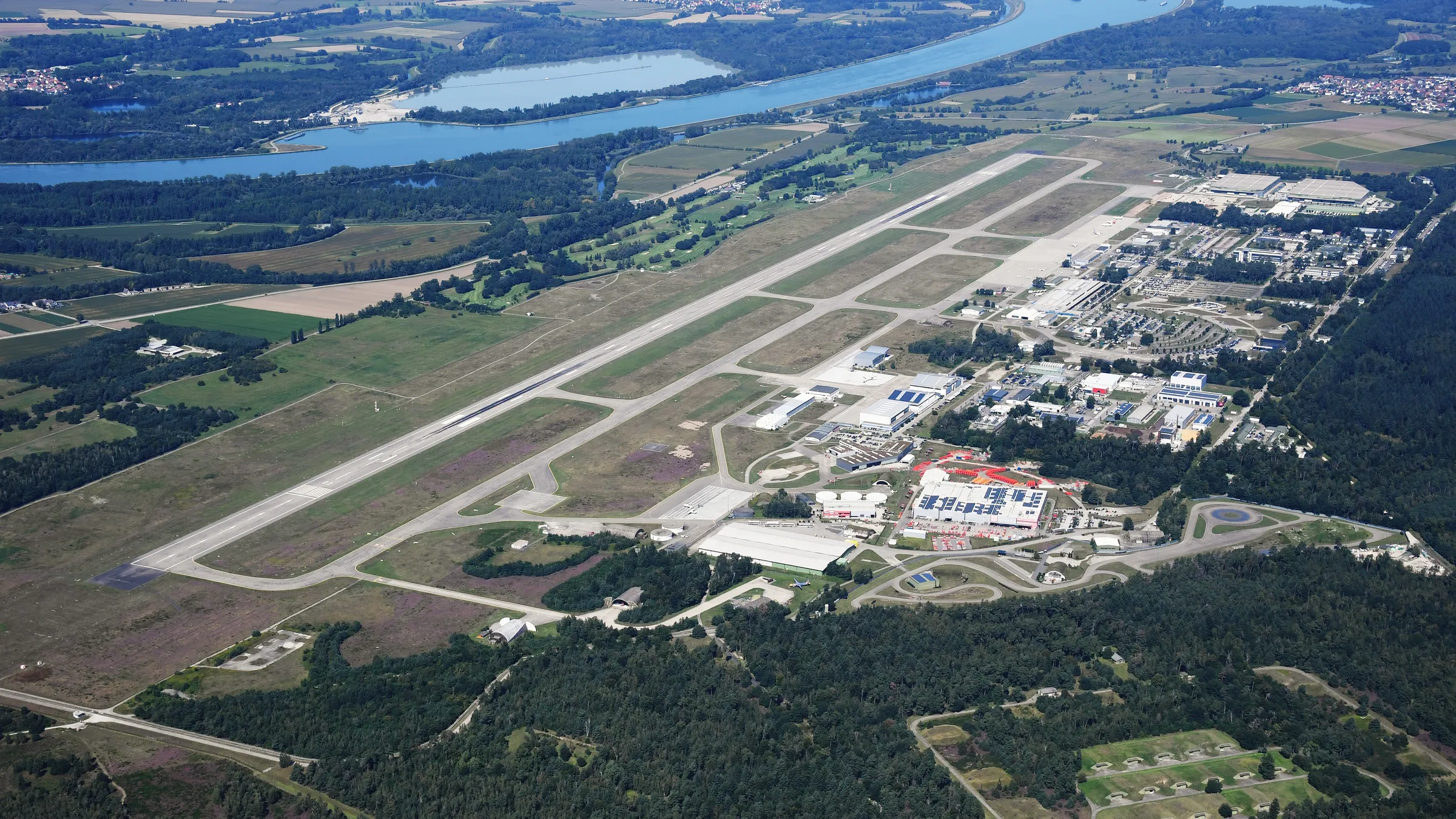
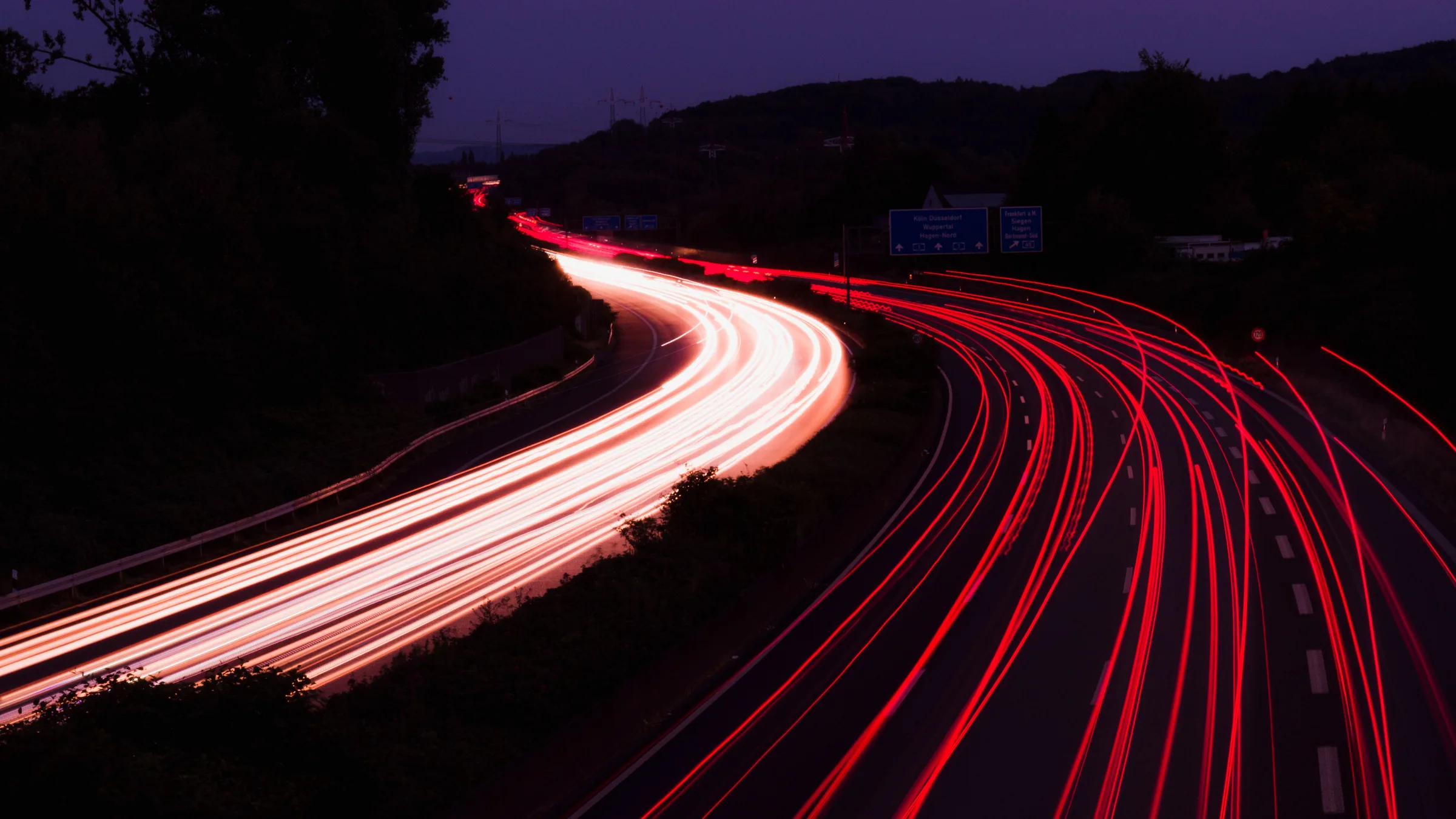
Frankfurt Airport sits about 12 km south-west of the city between the A3 and the A5, which is why road access is quick in normal conditions and genuinely slow at peak times. Those two motorways are among the busiest in Europe and they meet just south of the airport, so the same geography that makes Frankfurt reachable from half of Germany also makes the last five kilometres unpredictable between seven and nine in the morning.
Frankfurt changed shape twice in 2026, and most transfer websites have caught neither change. Terminal 3 opened on 23 April, adding capacity for around 19 million passengers a year. Then on 9 June, Terminal 2 closed to passengers for a refurbishment costed at roughly €1.5 billion — all fifty-seven airlines that had used it having already moved across. So Frankfurt is a two-terminal airport once more, but not the two-terminal airport anybody remembers, and that is the kind of error that only matters once: when you are standing in the wrong building with your luggage.
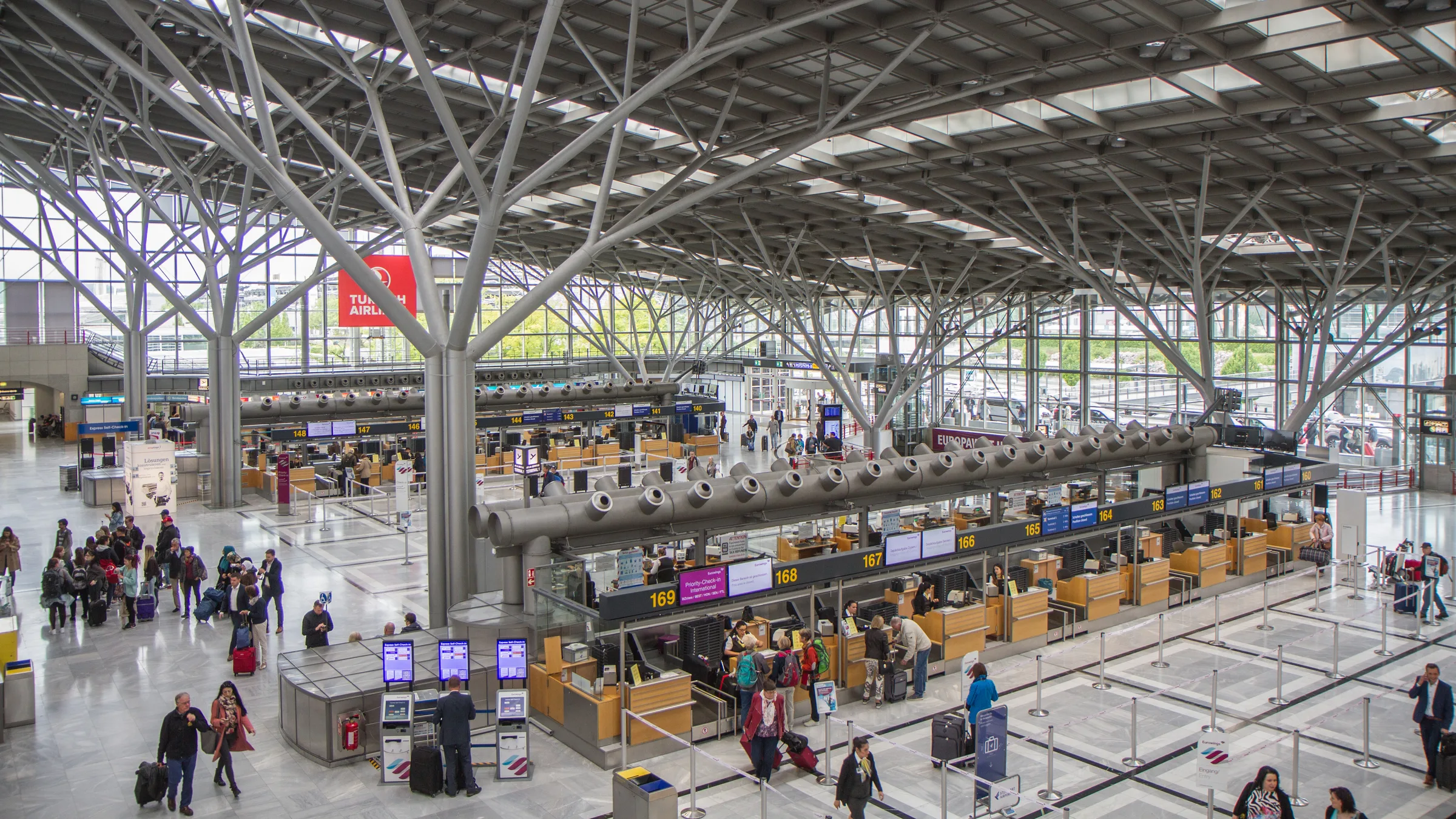
Because Terminal 1 and Terminal 3 are far enough apart to need the SkyLine people mover between them, being dropped at the right one is not a detail. It is the difference between a short walk and an eight-minute train ride with every bag you own. Terminal 1 holds Lufthansa and Star Alliance across concourses A, B, C and Z, and has three separate arrivals halls — A, B and C — chosen by your aircraft’s parking position rather than by your airline. Terminal 3 has gates G, H and J and a single arrivals hall. If your booking still says Terminal 2, you are landing at Terminal 3.
The airport is also a city in its own right. It is the largest single workplace in Germany, with tens of thousands of staff, its own long-distance railway station, and a freight operation that runs through the night. That scale is why arrivals halls here are busy at hours when a regional airport is dark, and why "meet me outside" is not a plan that survives contact with the building.
The airport has both a long-distance and a regional railway station, so for a solo traveller heading to central Frankfurt the train is fast and cheap, and we will happily say so. The regional station sits under Terminal 1 and reaches the Hauptbahnhof in about ten minutes; the long-distance station puts most of western Germany within a direct ICE.
A private transfer earns its price on the journeys rail handles badly. Early and late arrivals fall outside a usable connection. Groups pay per person on rail and per vehicle by road, so three or four travellers change the arithmetic completely. Heavy luggage turns every platform change into a decision. And a great many destinations are simply not on the network in any convenient way.
That last category is the biggest one here. The Taunus, the Rheingau, the Bergstraße and much of Rhineland-Palatinate are all within a straightforward drive of the airport and all involve at least one change by rail, often two, usually ending at a station some distance from the address you actually want. Messe Frankfurt is the other case: during a major fair the S-Bahn is at its fullest exactly when you need it, and the exhibition entrances are not the Hauptbahnhof.
Your driver waits inside the arrivals hall of the terminal your flight lands at, holding a name sign — not at a rank outside and not in a car park. The terminal is taken from the flight number you give at booking rather than from your itinerary, which matters at Frankfurt more than anywhere else in Germany: Terminal 1 and Terminal 3 are joined by a people mover rather than a walkway, and inside Terminal 1 the arrivals hall itself is decided on the day. A driver in the wrong building is a twenty-minute problem; a driver in the wrong hall of Terminal 1 is a several-hundred-metre one. The meeting point is confirmed to you before you travel, and 60 minutes of free waiting after touchdown covers passport control and baggage reclaim on a normal arrival.