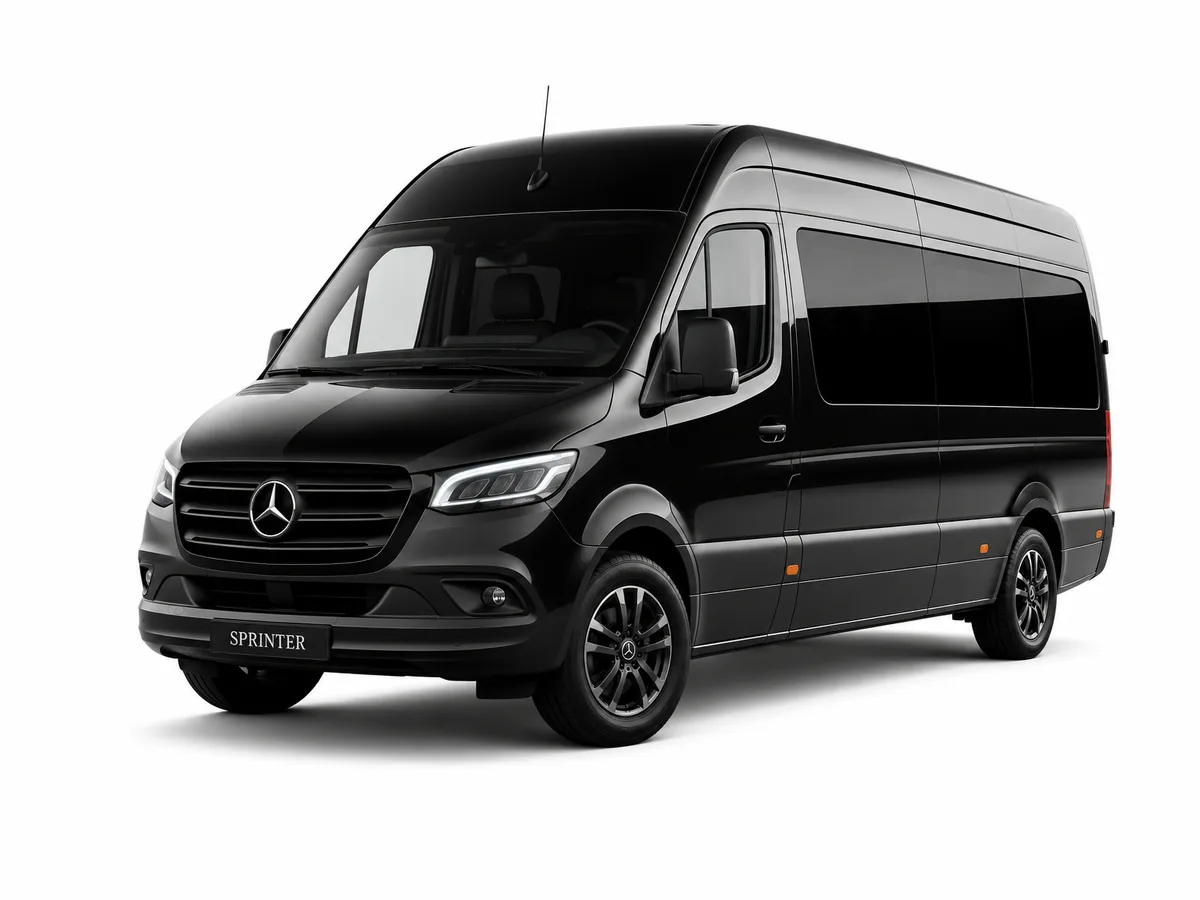
The drive is 449 km against 335 km as the crow flies, which is the ordinary shape of a German motorway journey. That is 4h 26 in a car that waits for you rather than the other way round, at a fare quoted in full at booking.
The fare is fixed when you book, so a closed lane or a slow stretch costs you time and not money — there is no meter and no waiting charge. Pickup is any address in Leipzig: a home, a hotel, an office, a venue. Drop-off is the exact address in Münster, not the nearest station to it. The route crosses from Sachsen into Nordrhein-Westfalen; the price covers the whole of it including tolls. The same fixed-price arrangement covers Leipzig to Cologne, a separate route with its own measured distance.
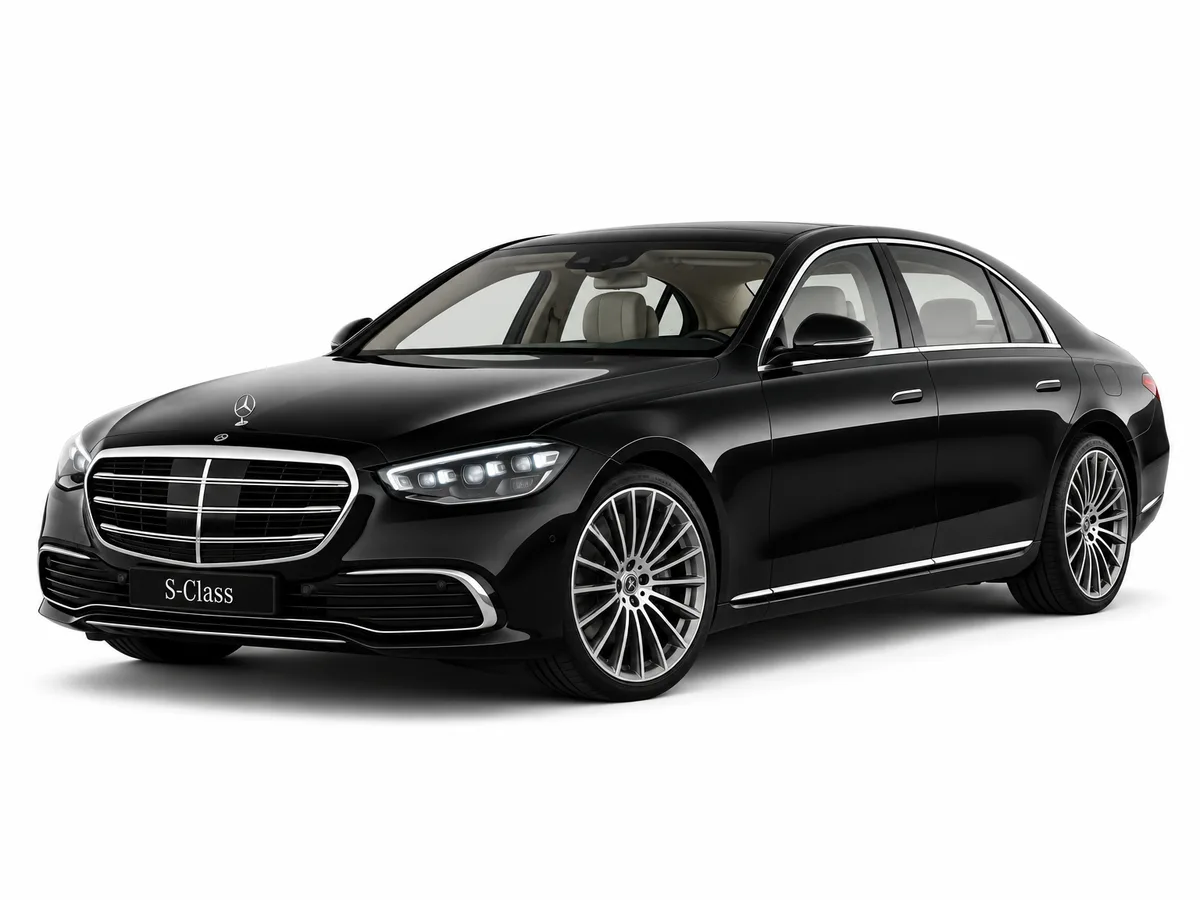
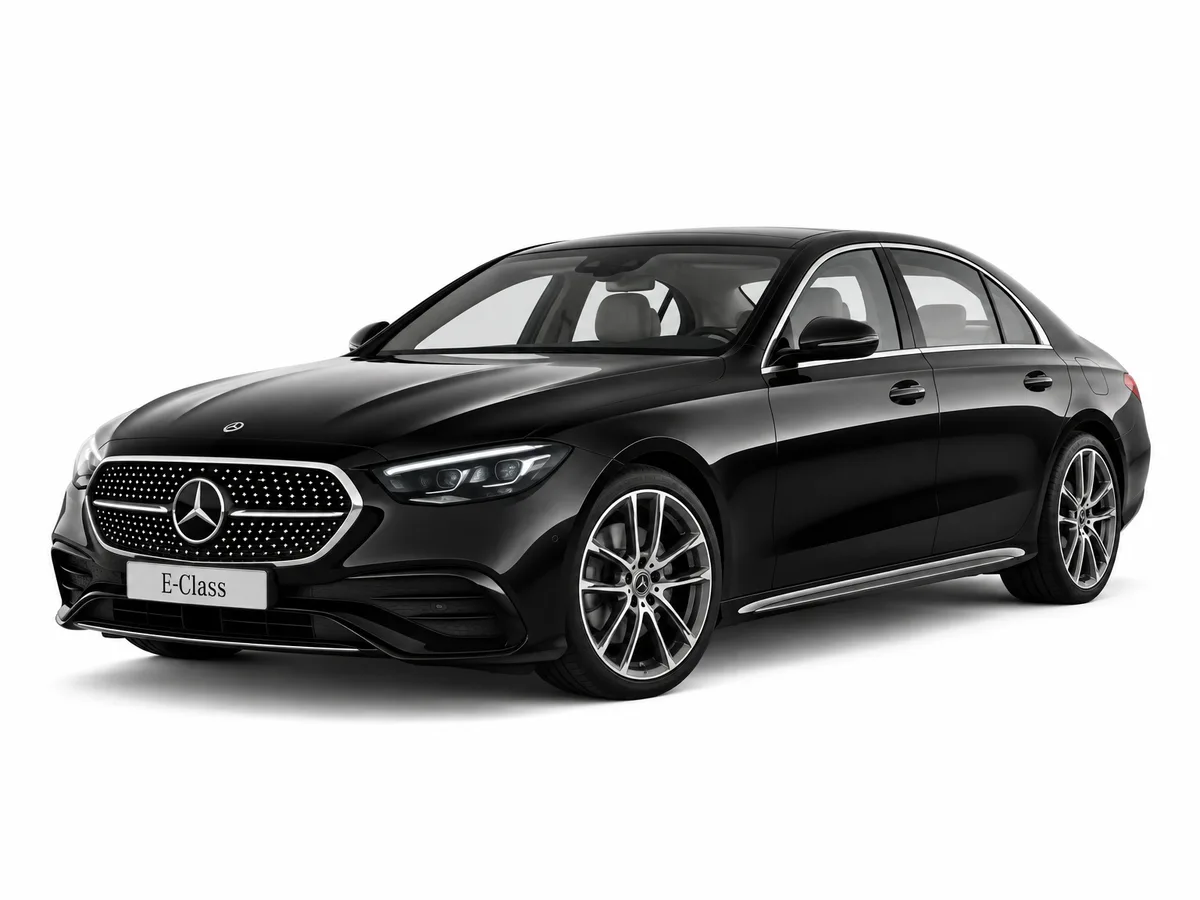
An executive saloon on a 4h 26 run is a quiet place to work: the same car the whole way, no changes, no platform, and a driver who takes the route. Longer bookings are usually made a day or more ahead, and the return leg can be fixed at the same time and the same price. Arriving by air instead? Leipzig/Halle Airport Transfers covers every destination we serve from the airport.
Counting the whole journey, not the fast part of it
A rail time on a corridor this long is quoted platform to platform, and that stretch is the part of the day that goes well. Around it sit a local leg to the Hauptbahnhof, a margin you set yourself because the next departure is not for an hour, a change on most pairs this far apart, and another local leg at the other end with whatever you are carrying. A car quotes the whole thing instead: 4h 26 from the address you give us to the address you give us, one vehicle, one driver, nothing in between that can be missed. That does not make it faster — over 449 km it usually is not, and the comparison above says so. It makes the total knowable before you leave, which is a different property and occasionally the one that decides the booking: an early meeting, a connection at the far end, or a group whose day cannot absorb a missed change.