Changing airports is almost never something you planned. Hamburg Airport to Düsseldorf Airport is 398 km and about 4h 06, and a car covers it in one leg with no change and no ticket barrier between you and your suitcase.
The pickup is driven by your inbound flight number: the driver watches the actual landing time and waits 60 minutes free after touchdown, which is what a diverted or delayed arrival needs. At the far end the drop-off is at the terminal door, not the car park. Tell us the departing flight at booking and the schedule is worked backwards from its check-in deadline rather than forwards from a convenient departure. We run the same journey to Frankfurt-Hahn Airport, priced the same way.
Luggage stays in the car for the whole 4h 06, which is the single biggest practical difference from any rail route: nothing is lifted onto a train at Hamburg Airport, off it again at the interchange, or onto a second one for the run into Düsseldorf Airport. If the airline has rebooked you and is reimbursing ground transport, the invoice shows the route, the date and the fare in a form an airline will accept.
Checked bags are the whole argument
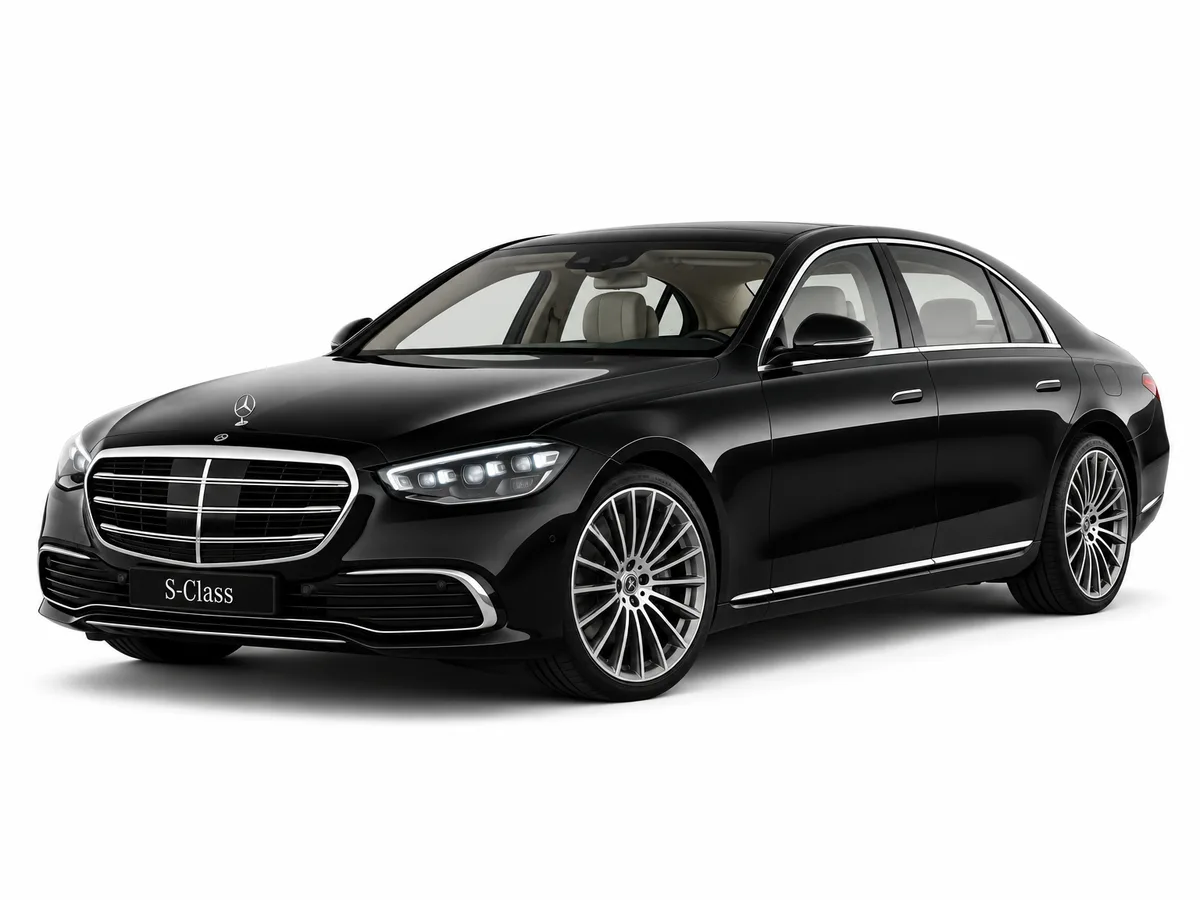
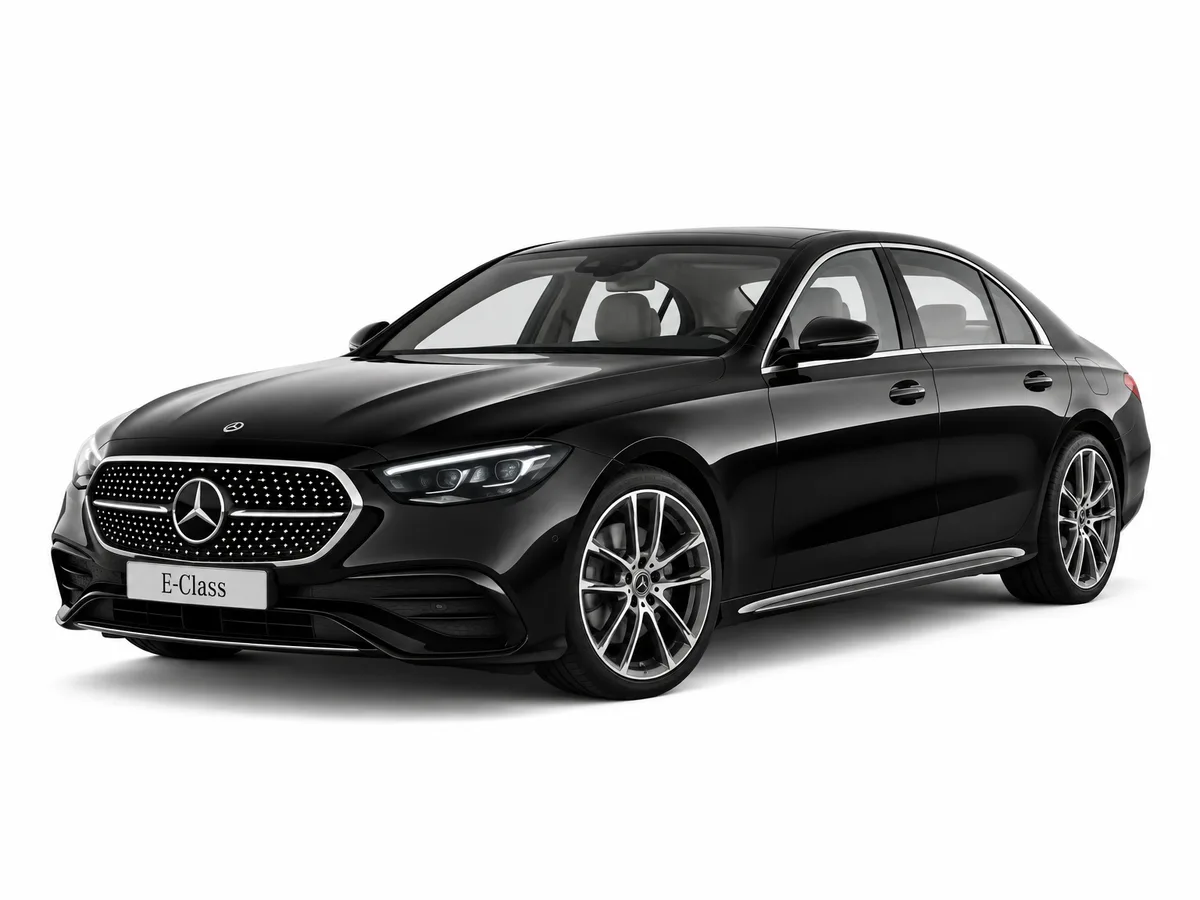
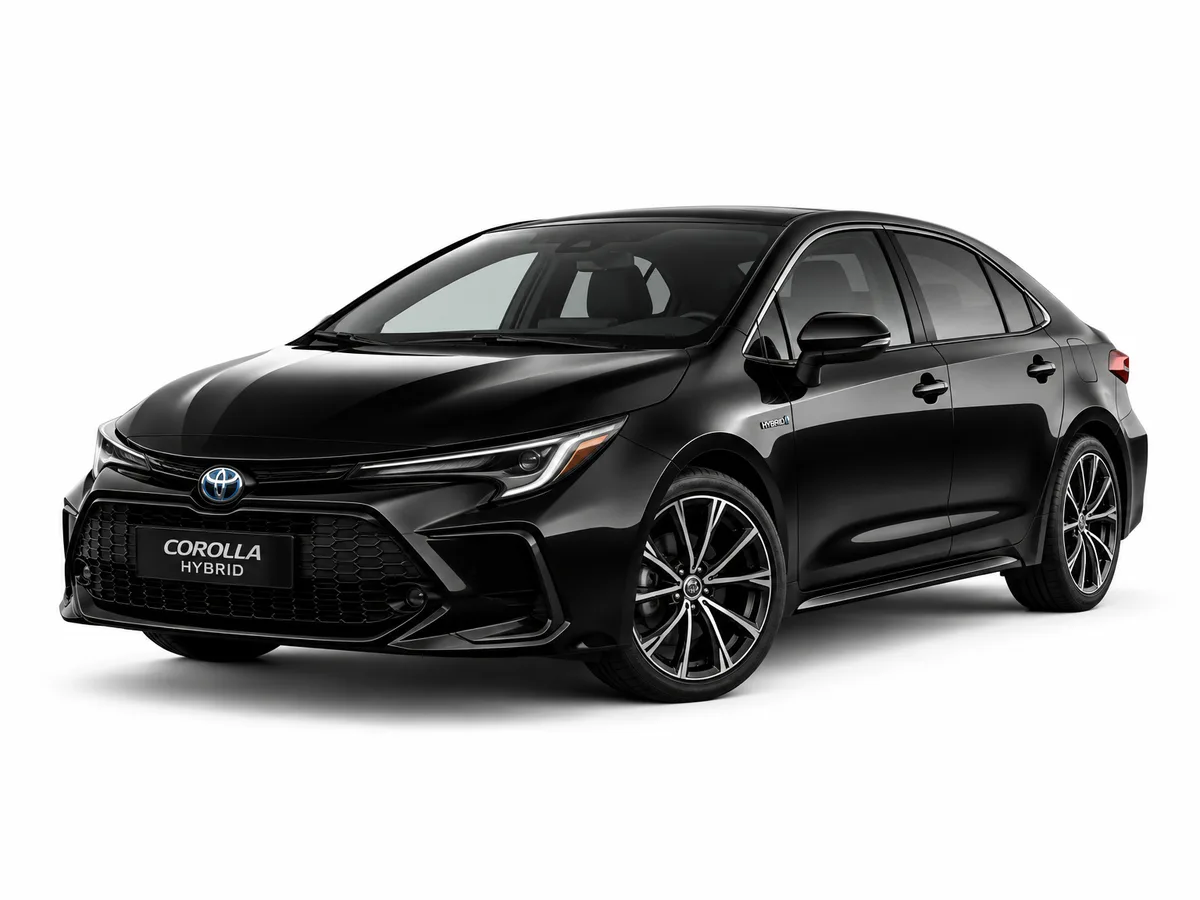
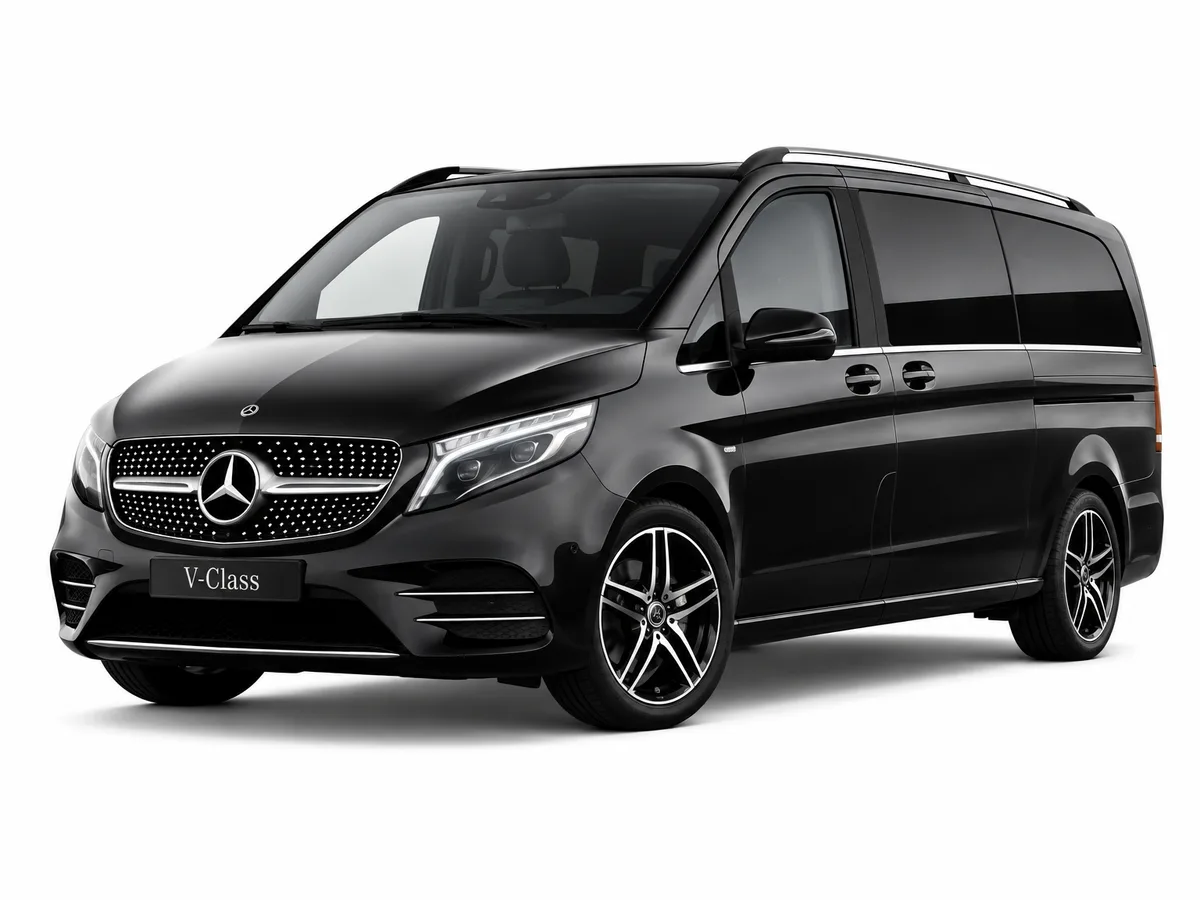
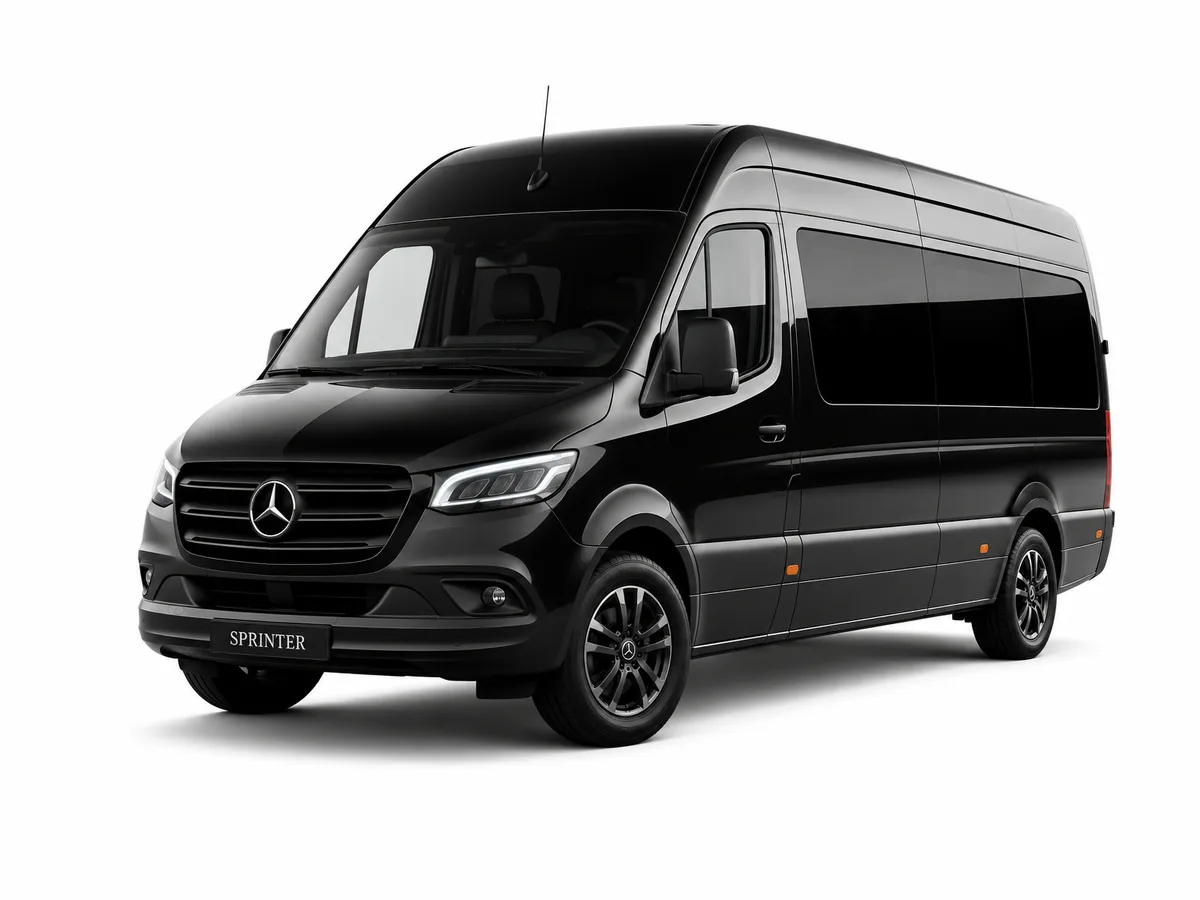
With cabin baggage only, the rail route between two airports is an inconvenience. With checked bags it is a different journey altogether: every interchange means lifting cases onto a train, off it, up a staircase when the lift is out, and along a platform to the right carriage. A car takes the bags once at Hamburg Airport and gives them back at Düsseldorf Airport. A saloon holds three large cases, a van takes seven passengers with luggage to match, and if you are travelling with sports equipment or instruments — the things that make a rail change genuinely hard — say so at booking and the right vehicle is sent.